
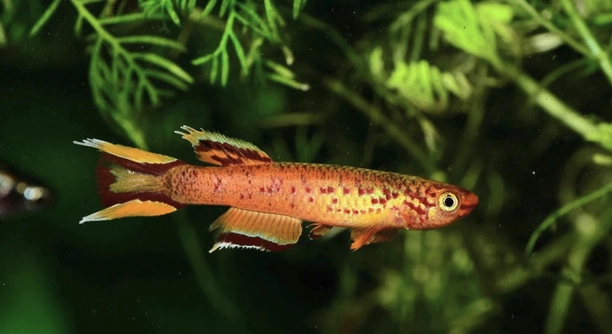
Many fish owners notice their killi fish suddenly twitching and wonder what might be causing this behavior. These quick movements can seem strange and sometimes worrying. Understanding why twitching happens helps in caring for these delicate fish properly.
Killi fish twitch suddenly mainly due to environmental stress, irritation from parasites, or changes in water quality. These factors trigger nervous system responses causing involuntary muscle contractions. Identifying and correcting the cause is essential to maintain their health.
Recognizing the reasons behind twitching allows you to better protect your killi fish and keep their environment safe and comfortable.
Common Causes of Twitching in Killi Fish
Killi fish often twitch because of stress from their surroundings. Sudden changes in water temperature, pH levels, or poor water quality can make them uncomfortable. Sometimes, they react to strong light or loud noises near the tank. Parasites and skin irritations also lead to twitching. These tiny pests can attach to the fish and cause discomfort. Twitching may be a sign that your fish is trying to remove something bothering it. Another cause can be a lack of oxygen in the water, which makes the fish struggle to breathe and move erratically. Keeping the tank clean and stable helps prevent many of these problems. Regular water tests and gentle handling can reduce stress, making your killi fish feel safer. Watching their behavior carefully can help catch early signs before problems worsen.
Proper tank maintenance plays a key role in reducing twitching caused by environmental factors.
To prevent twitching, it’s important to maintain steady water conditions. Keep the tank clean by performing regular water changes and testing water parameters often. Avoid sudden changes in temperature or lighting. Treat your fish gently when cleaning or moving them to minimize stress. Quarantine new fish before adding them to the tank to prevent parasite spread. If twitching is caused by parasites, medicated treatments can help remove them. Maintaining good oxygen levels in the water supports your fish’s health. Taking these steps ensures a peaceful environment, which keeps killi fish calm and less prone to twitching.
Signs of Parasite Infestation in Killi Fish
Parasites on killi fish cause skin irritation and twitching. They may appear as small spots or unusual marks on the fish’s body.
Parasites such as ich or flukes often lead to twitching and scratching against tank surfaces. Infected fish might lose appetite or appear lethargic. Look for white or red spots and fuzzy patches. These signs mean it’s time to treat the tank with proper medication. Early detection helps prevent serious harm. Quarantining new fish can stop parasites from spreading. Using parasite treatments as directed clears the problem. Keeping the tank clean and stress-free supports recovery and helps prevent future infestations. Watching for these signs regularly ensures your killi fish stays healthy and comfortable.
Water Quality Issues
Poor water quality is a common reason for sudden twitching in killi fish. High ammonia, nitrite, or nitrate levels can irritate their skin and gills.
Ammonia and nitrites are toxic to fish and cause stress, which leads to twitching. Overfeeding and lack of proper filtration often raise these harmful chemicals. Dirty water can also lower oxygen levels, making it harder for fish to breathe. Testing water regularly and doing partial water changes helps keep these toxins in check. A stable environment reduces stress and prevents twitching. Proper tank cleaning routines and good filtration are essential to maintain safe water conditions.
Keeping water clean also helps prevent the growth of harmful bacteria and parasites. Stable water parameters are key to a healthy, comfortable home for your killi fish.
Stress Factors Affecting Killi Fish
Stress from overcrowding or aggressive tank mates can cause twitching in killi fish. They may feel threatened and react with sudden movements.
Changes in the environment, such as moving the tank or adding new decorations, can also stress fish. Stress weakens their immune system and makes them more vulnerable to disease and twitching. Providing enough hiding spots and keeping compatible fish together reduces stress. Keeping the tank in a quiet, stable area away from sudden loud noises also helps. Recognizing and minimizing stress factors improves the overall well-being of your killi fish, making twitching less likely. Maintaining a calm and stable habitat is important for their health.
Nutritional Deficiencies
Lack of proper nutrients can cause twitching in killi fish. An unbalanced diet may affect their muscle function and overall health.
Feeding a varied diet with high-quality flakes, live or frozen foods helps prevent these problems. Supplements can support fish needing extra care.
Muscle Spasms and Nervous System Issues
Muscle spasms in killi fish may result from infections, injuries, or neurological disorders. These spasms cause sudden twitching and unusual movements. Bacterial or viral infections can affect the nervous system, leading to loss of control over muscle function. Sometimes, physical injury or exposure to toxins in the water causes nerve damage. Careful observation and prompt treatment are necessary. Maintaining clean water and minimizing stress support recovery. If twitching continues despite good care, consulting a specialist can help diagnose underlying health issues.
Tank Size and Environment
Small or overcrowded tanks increase stress and twitching in killi fish. Providing enough space and hiding spots helps them feel secure.
FAQ
Why does my killi fish twitch suddenly and then stop?
Twitching that stops quickly can happen when the fish feels a brief irritation or stress. It might be a small parasite or sudden change in water conditions. Once the trigger is gone or the fish adjusts, the twitching often stops. Monitoring your tank and fish behavior helps catch any ongoing issues early.
Can poor water quality cause constant twitching?
Yes, poor water quality is one of the main reasons killi fish twitch frequently. High levels of ammonia, nitrites, or nitrates irritate their skin and gills, causing stress and muscle spasms. Regular water testing and cleaning keep the tank environment healthy and reduce twitching caused by toxins.
Is twitching a sign of disease in killi fish?
Twitching can indicate disease, especially if it comes with other symptoms like loss of appetite, lethargy, or visible spots on the skin. Parasites, bacterial infections, or nervous system problems can cause twitching. Early treatment improves the chances of recovery, so watch for other signs as well.
How can I reduce stress to prevent twitching?
Stress often leads to twitching. Avoid overcrowding your tank and keep aggressive fish separate. Provide hiding places and stable water conditions. Avoid loud noises or sudden changes near the tank. A calm and consistent environment helps your killi fish stay relaxed and twitch less.
Does diet affect twitching in killi fish?
Yes, a poor diet lacking essential nutrients can cause muscle spasms and twitching. Feeding a varied diet with high-quality flakes, live or frozen foods supports healthy muscles and nerves. Supplements can help if your fish shows signs of nutritional deficiency.
Can twitching be caused by parasites?
Parasites are a common cause of twitching. They irritate the fish’s skin and gills, making it twitch or scratch against surfaces. Signs include spots, redness, or unusual marks on the fish. Treating the tank with anti-parasitic medication usually resolves the issue.
Is tank size related to twitching?
Small or overcrowded tanks increase stress, which can lead to twitching. Providing enough space for your killi fish to swim freely and places to hide reduces stress. A well-planned tank environment supports their health and comfort.
When should I see a vet about twitching?
If twitching continues despite good water quality, proper diet, and low stress, it’s time to consult a vet or aquatic specialist. Persistent twitching might signal a deeper health issue that needs professional diagnosis and treatment.
Can sudden changes in temperature cause twitching?
Yes, sudden drops or rises in water temperature stress killi fish, leading to twitching. Keeping the temperature stable within their preferred range helps prevent this problem. Use a reliable heater and thermometer to monitor tank temperature closely.
Are twitching episodes harmful to killi fish?
Occasional twitching usually isn’t harmful if the cause is mild and temporary. However, frequent or intense twitching can indicate serious stress or health issues. Addressing the root cause early helps avoid long-term damage to your fish’s well-being.
When killi fish start twitching suddenly, it can feel concerning. This behavior often signals that something in their environment or health needs attention. Twitching may be caused by stress, poor water quality, parasites, or nutritional problems. By understanding these causes, you can take the right steps to help your fish feel comfortable and healthy again. Keeping a clean and stable tank is one of the best ways to prevent twitching. Regular water tests, proper feeding, and giving your fish enough space all play important roles in maintaining their well-being.
It is important to observe your killi fish closely. Look for other signs that may point to the cause of twitching, such as changes in appetite, unusual spots on their body, or behavior differences. If you notice these signs, act quickly by checking the water parameters or treating for parasites if needed. Stress can be reduced by creating a calm environment and avoiding sudden changes around the tank. Overcrowding or aggressive tank mates can also cause twitching, so make sure your fish have enough room and compatible companions. Being attentive to your fish’s needs helps you catch problems early before they become serious.
If twitching continues despite your best care, it may be necessary to seek professional advice. Sometimes underlying health issues require special treatments or medications. Consulting a vet who knows about fish health can provide guidance on diagnosis and proper care. Overall, maintaining good water quality, proper nutrition, and a peaceful environment will keep your killi fish happy and less likely to twitch. Paying attention to these details makes a big difference in their health and can help you enjoy watching them thrive.

Hello,
If you enjoy the content that we create, please consider saying a "Thank You!" by leaving a tip.
Every little bit helps us continue crafting quality advice that supports the health, happiness, and well-being of pets around the world, for pets of all shapes, sizes, and species.
We really appreciate the kindness and support that you show us!