
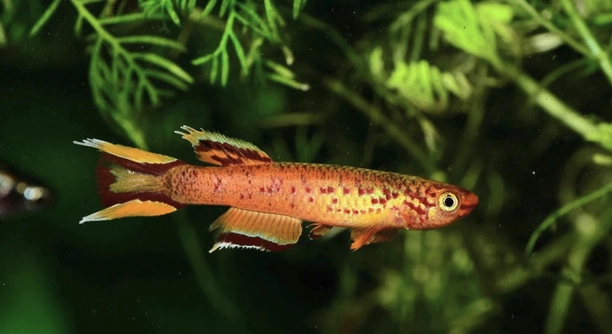
Removing killi fry from your aquarium can be a delicate task. These small fish often need gentle handling to avoid stress or injury. Knowing the right approach helps protect their health while keeping your tank balanced.
The safest way to remove killi fry without harm involves using a soft net or a container to gently scoop them out. Avoid sudden movements or squeezing, and work slowly to reduce stress and prevent physical damage.
Understanding careful removal techniques ensures your killi fry stay healthy and stress-free. The steps ahead will help you manage this process with ease and confidence.
Preparing to Remove Killi Fry Safely
Before starting, make sure your tools are clean and ready. Use a small, soft net or a clear container that won’t harm the fry. Having a quiet, calm environment will help keep the fish relaxed. Turn off any strong aquarium filters or pumps to prevent the fry from being swept away during removal. It’s also helpful to dim the lights slightly, as bright light can stress the fry. Take your time and avoid rushing the process. Gentle handling is key to keeping the fry healthy and stress-free. Preparing carefully makes the removal smoother and safer for both you and the fish.
Taking these simple steps before handling killi fry can reduce stress and prevent injury. Being patient during the process is important for their wellbeing.
Once everything is set, slowly approach the fry. Use the soft net or container to carefully scoop them up one by one. Move gently and avoid sudden movements. After capturing the fry, place them immediately into their new tank or temporary container with water from the original aquarium. This helps reduce shock from changes in water conditions. Keep monitoring their behavior to ensure they adjust well after removal.
Avoiding Common Mistakes During Removal
Rushing the removal process often causes stress and harm. Always move slowly and avoid chasing the fry around the tank.
Trying to grab too many fry at once can lead to injury or escape. It’s better to remove them in small groups. Also, never squeeze the net or container tightly, as this can hurt the delicate fish. Make sure the water you transfer them into matches the temperature and chemistry of their original habitat to avoid shock. Finally, avoid loud noises or sudden movements nearby while working, as these can cause panic. Paying attention to these details helps keep your killi fry safe and healthy through the removal process.
Handling Killi Fry After Removal
Keep the fry in a quiet place with stable water conditions. Avoid sudden temperature changes, which can cause stress or illness.
Provide gentle aeration and clean water, but avoid strong currents. Use a small tank or container to keep them safe and comfortable. Regularly check the water for cleanliness and perform gentle water changes to maintain good quality. Feeding should be frequent but in small amounts to avoid polluting the water.
Observe the fry closely for any signs of distress or illness. If they appear lethargic or stop eating, check water parameters immediately. Creating a calm environment supports their recovery and growth.
Choosing the Right Equipment
Use a fine mesh net or a small cup to avoid harming the fry during transfer. Rough or large nets can injure their delicate bodies.
The container should hold enough water to keep the fry comfortable, but not too much to make handling difficult. Clear containers allow easy monitoring. Equipment cleanliness is crucial—always rinse with tank water to avoid harmful chemicals. Avoid plastic bags, as they can cause temperature fluctuations and stress.
Having the right tools and preparation ensures a smoother removal and safer care for your killi fry.
Timing the Removal
Removing killi fry early helps protect them from adult fish that may eat them. It also allows better control over their growth and health.
Be sure to act when the fry are still small and easy to handle. Delaying removal can increase risks.
Monitoring Water Quality
Regularly test water parameters like temperature, pH, and ammonia levels. Clean, stable water is essential for the fry’s survival.
Keep water changes gentle to avoid sudden shifts. Poor water quality leads to stress and disease.
Avoiding Overcrowding
Overcrowding causes competition for food and space, leading to slower growth and illness among fry.
Keep the number of fry appropriate for your tank size to ensure they thrive.
Feeding Tips
Feed small, frequent portions of suitable fry food. Avoid overfeeding to keep water clean and fry healthy.
FAQ
How do I gently catch killi fry without hurting them?
Use a small, soft mesh net or a clear container to scoop the fry gently. Move slowly and avoid quick or jerky motions. Scoop one or two fry at a time rather than trying to catch many at once. This reduces stress and chances of injury.
What kind of container should I use for temporary holding?
Choose a clean, clear container that holds enough water to keep the fry comfortable but is small enough to manage easily. Make sure the water is from the same tank to keep temperature and chemistry stable. Avoid plastic bags because they can cause temperature swings and stress.
How often should I feed killi fry after removal?
Feed small amounts multiple times a day, around three to four feedings. Use finely crushed flakes, baby brine shrimp, or specially made fry food. Overfeeding pollutes the water quickly, so only give what they can eat in a few minutes.
Can I use the same tank water when moving fry?
Yes, always use water from the original tank when transferring fry. This avoids sudden changes in temperature, pH, or other chemical levels that can shock the fry and cause health problems.
What signs show that fry are stressed or unhealthy?
Look for lethargy, lack of appetite, erratic swimming, or hiding for long periods. Cloudy eyes or faded colors can also be signs. If you notice these, test the water and adjust conditions as needed.
How do I keep water clean when raising killi fry?
Perform gentle water changes regularly, about 10-20% every few days. Use a siphon to remove debris without disturbing the fry. Avoid strong water currents and keep aeration soft to prevent stressing them.
Is it necessary to remove adult fish when raising fry?
Yes, adult killi or other fish may eat the fry. Removing adults or moving fry to a separate tank increases their survival chances significantly.
What temperature is best for killi fry?
Keep the water temperature stable between 72°F and 78°F (22°C–26°C). Avoid rapid changes, as fry are sensitive to temperature swings.
How long does it take for killi fry to grow enough to move back to the main tank?
Usually, after 6 to 8 weeks, fry are large enough to safely join the main aquarium. Make sure they are healthy and feeding well before transferring.
Can I use plants or hiding spots to protect fry?
Yes, live or artificial plants and small hiding spots provide shelter and reduce stress. They also help fry feel safe while adjusting to new environments.
What should I do if fry get sick?
Isolate sick fry immediately. Check water quality and temperature, and treat with appropriate medications if needed. Consult with a vet or fish care expert for serious issues.
Are there any specific diseases common to killi fry?
Fungal infections and bacterial diseases can affect fry. Maintaining clean water and good nutrition reduces the risk. Watch for white cotton-like growths or abnormal swimming behavior.
How do I acclimate fry to a new tank?
Float the container in the new tank to equalize temperature for about 20 minutes. Slowly add small amounts of tank water to the container over the next hour before releasing the fry. This helps avoid shock.
Can killi fry survive in tap water?
Tap water often contains chlorine and other chemicals harmful to fry. Always use dechlorinated or conditioned water to keep fry safe.
How important is light control for fry tanks?
Moderate light helps fry feed and grow but avoid intense lighting that causes stress. Dim or indirect light mimics their natural environment better.
What is the best way to handle fry during water changes?
Use a small cup or siphon to carefully transfer fry out of the tank before water changes. Avoid disturbing them too much, and always return them gently to clean water afterward.
Final Thoughts
Removing killi fry from an aquarium takes patience and care. It is important to handle them gently and avoid rushing the process. Using soft nets or small containers helps keep the fry safe during transfer. Taking the time to prepare your tools and environment before starting will make the removal easier for both you and the fish. A calm and steady approach reduces stress and lowers the chance of injury.
After removal, maintaining stable water conditions is essential for the fry’s health. Using water from their original tank keeps the environment familiar and less stressful. Frequent but small feedings help the fry grow without polluting the water. Regular gentle water changes support cleanliness without causing shock. Observing the fry closely for any signs of stress or illness allows for quick action to fix problems. Creating a peaceful environment helps the fry adapt and thrive.
Choosing the right equipment and timing the removal carefully can improve survival rates. Removing fry early protects them from adult fish and overcrowding. Providing hiding spots and proper feeding supports healthy growth. By avoiding common mistakes like rushing or overfeeding, you give your killi fry a better chance at life. These simple steps can make the whole process smoother, healthier, and more rewarding for anyone caring for these delicate fish.

Hello,
If you enjoy the content that we create, please consider saying a "Thank You!" by leaving a tip.
Every little bit helps us continue crafting quality advice that supports the health, happiness, and well-being of pets around the world, for pets of all shapes, sizes, and species.
We really appreciate the kindness and support that you show us!