
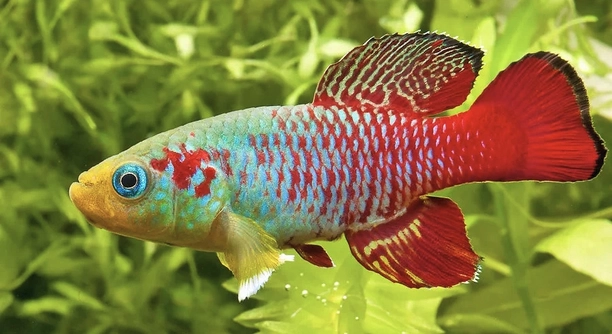
Killi fish are small, colorful freshwater fish often kept in home aquariums. Many owners notice their killi fish digging through the gravel. This behavior might seem strange but is quite common among these lively pets.
Killi fish dig the gravel primarily to search for food, create a safe nesting area, or explore their environment. This natural behavior helps them feel secure and maintain their territory within the tank.
Understanding why your killi fish digs can help you create a better home for it and keep it healthy and happy in your aquarium.
Reasons Behind Gravel Digging in Killi Fish
Killi fish dig the gravel mainly to find food. Small bits of leftover food or tiny creatures hiding in the substrate attract them. This digging is a natural hunting behavior that keeps them active and mentally stimulated. Another reason is nesting. Female killi fish often dig to create a safe spot to lay eggs. They clear a small area, protecting the eggs from predators and debris. Additionally, digging helps them explore their environment and mark their territory. This behavior shows their natural instincts in action, even in a home tank. Observing this digging can give clues about their health and comfort. If the tank environment is suitable, they will dig less aggressively. Too much digging might signal stress or lack of proper food. Paying attention to these behaviors helps maintain a balanced and healthy aquarium for your killi fish.
Killi fish digging is a mix of feeding, nesting, and exploring, essential to their natural behavior.
Watching this activity closely can reveal your fish’s needs and improve their tank setup for better well-being.
How to Manage Gravel Digging in Your Aquarium
To reduce excessive digging, provide enough food and hiding spots. A well-planted tank with varied decorations makes your fish feel safe. Using fine gravel or sand can also limit how much they disturb the substrate. Keep the tank clean to prevent buildup of waste that attracts digging. Regularly feeding them high-quality food reduces the need to hunt in the gravel. If digging seems stressful, adding tank mates can sometimes calm your killi fish. Monitoring water conditions and tank size also helps; overcrowding can increase digging due to stress or boredom. Adjusting these factors creates a stable environment, so your fish feel less need to dig. Proper care balances their natural instincts with a peaceful home, ensuring your killi fish thrives.
Signs Your Killi Fish Is Stressed
Excessive digging can be a sign of stress. If your fish digs more than usual, it might feel unsafe or uncomfortable. Stress affects their health and behavior.
Stress in killi fish often comes from poor water quality, sudden changes in temperature, or an overcrowded tank. Loud noises or frequent disruptions around the aquarium can also trigger stress. When stressed, fish might dig aggressively, hide more, or lose appetite. Watching for these signs helps catch problems early. Maintaining a calm, clean environment supports their well-being and reduces stress-driven behaviors.
Providing hiding places and keeping water conditions stable are key. Avoid sudden changes and keep the tank peaceful. Stress management leads to a happier, healthier killi fish that digs less and thrives better.
Choosing the Right Substrate for Killi Fish
Killi fish prefer fine gravel or sand as substrate. Rough or sharp gravel can harm their delicate bodies or fins. Smooth substrates are safer and encourage natural digging behavior without injury.
Choosing the right substrate also helps keep the tank clean. Fine sand or small gravel traps fewer waste particles, making cleaning easier. It mimics their natural habitats, which often have soft riverbeds or sandy bottoms. Proper substrate choice supports healthy fish activity and reduces stress. It also enhances the overall look of your aquarium, making it more enjoyable to watch your killi fish explore and dig safely.
Creating a Comfortable Environment
Killi fish need plenty of hiding spots to feel secure. Plants, rocks, and decorations provide safe places to rest and explore. A calm environment reduces stress and digging caused by anxiety.
Maintaining stable water temperature and good filtration also supports their comfort. Clean water helps prevent illness and keeps your fish active and happy.
Feeding Tips to Reduce Digging
Offering a balanced diet with varied foods keeps your killi fish satisfied. High-quality pellets, frozen or live foods like brine shrimp and bloodworms meet their nutritional needs. Avoid overfeeding, which can lead to waste buildup and encourage digging to find leftover food.
Regular feeding routines and portion control minimize substrate disturbance, promoting a cleaner tank and healthier fish.
Monitoring Tank Conditions
Keep water parameters stable. Frequent testing for pH, ammonia, and nitrates prevents harmful changes. Sudden shifts stress fish, increasing digging and other unwanted behaviors. Clean the tank regularly to maintain a healthy environment.
Tank Mates for Killi Fish
Choose peaceful species as tank mates. Aggressive fish stress killis, increasing digging and hiding. Compatible companions help create a balanced community tank where killis feel safe and calm.
Why does my killi fish dig more at night?
Killi fish are naturally more active during dawn and dusk, but some species may show more digging behavior at night. This is because the dimmer light makes them feel safer to explore and search for food. At night, they often dig to find hidden prey or prepare nests without being disturbed. The quiet environment also reduces stress, encouraging natural behaviors like digging. If your fish digs excessively only at night, it’s usually normal. However, ensure the tank is calm and the substrate is clean to support this behavior safely.
Can digging damage the aquarium plants or decorations?
Yes, digging killi fish can sometimes uproot plants or move decorations around. This happens when they dig aggressively or if plants have weak root systems. To prevent damage, use sturdy plants or anchor them well with heavier gravel or plant weights. You can also choose artificial plants designed for aquariums. Keeping decorations secure will protect your tank’s layout. Observing your fish’s digging habits helps decide whether rearranging the tank is necessary to avoid damage.
Is digging harmful to my killi fish?
Digging itself is a natural and healthy behavior for killi fish. It helps them feel secure and engage in instinctive activities like foraging and nesting. However, digging in sharp or rough gravel can injure their delicate fins or bodies. Also, excessive digging caused by stress or poor tank conditions might affect their health. Providing smooth substrate and a calm environment reduces risks. Regular tank maintenance keeps the habitat safe and comfortable for your fish’s natural digging behavior.
How often should I clean the substrate if my killi fish digs a lot?
Cleaning the substrate regularly is important, especially with digging fish. Aim to clean the gravel or sand every two to four weeks, depending on tank size and waste buildup. Use a gravel vacuum during water changes to remove debris without disturbing the fish too much. Avoid over-cleaning, as some beneficial bacteria live in the substrate. Monitoring water quality alongside cleaning keeps the tank balanced and your killi fish healthy.
Does the type of substrate affect digging behavior?
Yes, substrate type influences how and how much your killi fish digs. Fine sand allows gentle digging and is easier on their fins. Larger, rough gravel can discourage digging but might cause injuries. Soft substrates mimic their natural habitat, promoting normal digging. If your fish digs excessively in a harsh substrate, consider switching to finer gravel or sand. This change supports safer, more natural behavior and reduces stress.
Can digging indicate illness in killi fish?
Increased digging alone rarely means illness. But if digging comes with other signs like lethargy, loss of appetite, or discoloration, it could point to health problems. Fish might dig more when uncomfortable or trying to escape irritants like parasites or poor water conditions. Regular observation and water testing help spot issues early. If illness is suspected, consult a vet or fish expert for treatment options.
Should I add more plants to reduce digging?
Adding more plants can help reduce digging by providing hiding spots and making your fish feel safer. Plants create natural barriers, which can calm killi fish and limit substrate disturbance. Choose hardy plants that can tolerate some digging, like Java fern or Anubias. Live plants also improve water quality by absorbing excess nutrients. A well-planted tank often results in less stress and more natural behavior from your fish.
How does tank size influence digging behavior?
Smaller tanks can cause stress and boredom, leading to increased digging. Killi fish need enough space to swim and explore. A cramped environment may make them feel threatened, triggering more digging to find safe spots. Larger tanks with varied decorations and plants reduce stress and encourage healthy activity. Providing enough room is key to minimizing excessive digging and promoting overall well-being.
Can tank mates affect my killi fish’s digging?
Yes, tank mates can influence digging behavior. Aggressive or territorial fish may cause stress, making your killi fish dig more as a coping mechanism. Peaceful, non-aggressive species help create a calm environment, reducing the need for defensive digging. Choose compatible tank mates that share similar water and space needs. Observing interactions helps ensure your killi fish feels safe and digs naturally.
Is digging related to breeding behavior?
Digging is often part of breeding behavior, especially for females preparing to lay eggs. They clear and create nests in the gravel to protect eggs and young fry. During breeding, digging may increase as they prepare suitable spots. If you notice more digging alongside other signs like courting or egg laying, it’s likely related to reproduction. Providing safe, quiet spaces supports this natural process and reduces stress for breeding fish.
Understanding why your killi fish digs the gravel can help you take better care of it. This behavior is natural and serves important purposes like finding food, making a nest, and exploring the tank. It shows your fish is active and using its instincts. However, digging can also mean your fish is stressed or uncomfortable if it happens too much. Knowing the reasons behind digging helps you create a healthier and more comfortable home for your killi fish.
Creating a good environment for your fish is key. Using fine gravel or sand makes digging safer and easier for your fish. Adding plants, rocks, and hiding spots helps your killi fish feel secure and reduces stress-related digging. Keeping the water clean and stable is important for their health and behavior. Feeding your fish a balanced diet also prevents digging caused by hunger. Watching your fish closely and adjusting tank conditions will keep it happy and active without causing harm.
Remember, digging is just one part of your killi fish’s behavior. It is normal but should be balanced with other healthy activities like swimming and resting. If digging seems excessive, check your tank’s environment and care routine. A calm, clean, and safe aquarium makes your fish feel at home. With the right setup, your killi fish can enjoy a natural and stress-free life while you enjoy watching its interesting and lively behavior.

Hello,
If you enjoy the content that we create, please consider saying a "Thank You!" by leaving a tip.
Every little bit helps us continue crafting quality advice that supports the health, happiness, and well-being of pets around the world, for pets of all shapes, sizes, and species.
We really appreciate the kindness and support that you show us!