
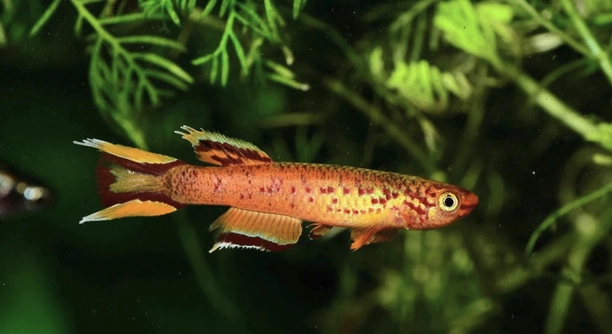
Killi fish are small, colorful creatures often kept in home aquariums. Observing their behavior can help owners understand when these fish are feeling content and comfortable in their environment. Recognizing signs of happiness is important for their well-being.
When killi fish are happy, they exhibit behaviors such as active swimming, vibrant coloration, frequent exploration of their surroundings, social interaction with other fish, regular feeding response, smooth and relaxed movement, and occasional playful jumps or bursts of energy. These behaviors indicate good health and comfort.
Noticing these signs can improve the care you provide and enhance the overall experience of keeping killi fish as pets. The following details explain how to identify each behavior clearly.
Active Swimming and Exploration
When killi fish are happy, one of the most noticeable signs is active swimming. These fish move smoothly through the water, often exploring different parts of the tank. They don’t just stay in one place or hide behind decorations. Instead, they appear curious and confident as they investigate their surroundings. This behavior shows they feel safe and comfortable in their environment. Active swimming also helps keep them healthy by encouraging exercise and stimulating their senses. When they explore frequently, it often means they are satisfied with the tank conditions, such as water quality, temperature, and space. If the fish stop swimming actively or hide, it might suggest stress or discomfort. Providing plants, hiding spots, and clean water can promote this happy swimming behavior. Observing your killi fish regularly helps you notice changes and respond quickly to their needs.
Active swimming is a strong indicator that your killi fish are content and well cared for in their tank.
Killi fish are naturally curious and enjoy exploring new areas in their aquarium. Their active swimming includes quick turns and gliding through plants. This behavior keeps them engaged and helps reduce stress. A tank set up with enough space and interesting features will encourage more activity. Regularly watching your fish swim actively can reassure you that they are happy and healthy. Encouraging this behavior supports their overall well-being.
Vibrant Coloration and Social Interaction
Vibrant colors often signal that killi fish are healthy and happy. When they feel secure, their scales show bright, rich hues. Dull or faded colors can indicate stress or illness. Happy killi fish also tend to interact calmly with other fish. They swim near each other without aggression, sometimes following or mimicking movements. This social behavior shows trust and comfort within their environment. It also suggests that their tank mates are compatible and that the space is adequate. Observing these signs can help maintain a peaceful aquarium. Keeping the tank clean and balanced encourages both vibrant coloration and positive social interactions among killi fish.
Bright colors and peaceful social behavior are key signs of well-being in killi fish.
Color changes in killi fish are connected to their mood and environment. When relaxed, their colors deepen, especially during feeding or mating displays. They communicate subtly through these visual cues with other fish. Maintaining stable water conditions and minimizing sudden changes will help keep their colors bright. Additionally, pairing them with compatible species enhances social harmony. Monitoring these aspects ensures your killi fish stay visually striking and socially content.
Feeding Response
Killi fish show happiness by eagerly responding to food. They swim quickly to the feeding area and actively nibble on their meals without hesitation. This behavior reflects their comfort and trust in their environment.
When killi fish are happy, they recognize feeding times and react promptly. They swim toward the food source with energy and enthusiasm, demonstrating a healthy appetite. A strong feeding response is a good sign that the fish feel secure and that their dietary needs are being met. If a fish shows disinterest in food or seems lethargic during feeding, it may indicate stress or illness. Ensuring a balanced diet and regular feeding schedule supports their well-being and keeps their appetite strong.
Consistent feeding response also strengthens the bond between fish and caretaker, creating a positive routine. This behavior often encourages further activity and exploration in the tank. Keeping the fish happy through proper feeding leads to better overall health and visible vitality.
Smooth and Relaxed Movement
Smooth, fluid swimming indicates contentment in killi fish. When happy, their movements are gentle and unhurried, reflecting a calm state. Sudden darting or frantic motions usually signal distress.
Relaxed swimming shows that the fish feel secure in their surroundings. Their fins spread naturally without clamping, and their bodies glide effortlessly through the water. This calm movement conserves energy and reduces stress, contributing to longer life and better health. The tank setup influences this behavior—adequate space, clean water, and proper temperature all promote smooth movement. Watching your killi fish swim in this way is reassuring and highlights their comfort in the aquarium environment. Encouraging these conditions helps maintain their peaceful state.
Playful Jumps and Energy Bursts
Killi fish sometimes display bursts of energy, including small jumps or quick dashes in the tank. These behaviors show excitement and a healthy level of activity. It is a positive sign that they feel lively and comfortable.
Such playful actions indicate mental stimulation and physical well-being. Fish that jump or dart around are expressing their happiness and readiness to engage with their environment.
Interaction with Tank Environment
Happy killi fish often engage with plants, rocks, and other tank features. They explore and use these elements for hiding or resting, showing comfort and curiosity. A well-decorated tank encourages natural behaviors and helps reduce stress.
Regular Resting Behavior
Killi fish rest calmly in safe spots without appearing stressed or hiding excessively. This balance of activity and rest is a sign of contentment and good health.
FAQ
How can I tell if my killi fish are happy?
Happy killi fish display active swimming, vibrant colors, smooth movements, and a strong feeding response. They explore the tank confidently and interact peacefully with other fish. Playful jumps or sudden bursts of energy also indicate contentment. Observing these behaviors regularly helps ensure your fish are comfortable and healthy.
Why do my killi fish sometimes jump out of the water?
Killi fish are known for occasional jumps, especially when excited or exploring. This is a natural behavior linked to their energetic nature. However, frequent or frantic jumping may suggest stress, poor water quality, or a tank that is too small. Make sure the tank has a secure lid and proper conditions to reduce this behavior.
What does it mean if my killi fish loses color?
Fading or dull coloration usually signals stress, illness, or poor water conditions. Happy and healthy killi fish show bright, vivid colors. Check water parameters, diet, and tank mates if your fish lose color. Addressing these factors promptly will help restore their natural vibrancy.
Is it normal for killi fish to hide often?
Killi fish will hide sometimes to rest or feel safe, which is normal. However, if they hide constantly and avoid swimming or feeding, it could indicate stress or illness. Providing enough hiding spots and maintaining good water quality supports their comfort and encourages balanced behavior.
How often should I feed my killi fish?
Feeding killi fish once or twice daily with a balanced diet is ideal. They thrive on live or frozen foods like brine shrimp, daphnia, and bloodworms, supplemented with quality flakes or pellets. Avoid overfeeding, which can pollute the tank and harm fish health.
Can killi fish live with other species?
Killi fish can live peacefully with certain small, non-aggressive species. Avoid housing them with larger or aggressive fish that may cause stress. Research compatible tank mates carefully to maintain a calm environment where all fish feel secure.
What tank conditions keep killi fish happy?
Stable water temperature between 72-75°F (22-24°C), clean water with low nitrates, and adequate tank size are essential. A tank with plants, hiding spots, and gentle filtration creates a comfortable habitat. Regular water changes and monitoring help keep killi fish healthy and happy.
How do I reduce stress in my killi fish?
Minimize sudden changes in water conditions, avoid overcrowding, and provide plenty of hiding places. Keep noise and vibrations near the tank low. Feeding a nutritious diet and maintaining consistent routines also reduce stress, promoting active and relaxed behavior.
Why do my killi fish sometimes stay still at the bottom?
Occasional resting at the bottom is normal if the fish looks relaxed. However, prolonged inactivity or unusual posture may signal illness or poor water quality. Monitor their behavior and test water parameters if this persists, then take corrective measures if needed.
How long do killi fish live?
Killi fish typically live 2 to 3 years in captivity with proper care. Providing optimal tank conditions, a balanced diet, and attentive health monitoring can extend their lifespan and improve quality of life.
Can killi fish recognize their owners?
While not as interactive as some species, killi fish can recognize regular feeding times and may respond to your presence. They often swim toward the front of the tank during feeding, showing familiarity and comfort.
What should I do if my killi fish stops eating?
Loss of appetite can indicate stress, illness, or poor water quality. Check water parameters and tank conditions first. Try offering live or frozen foods to entice eating. If the problem continues, consult a specialist or consider quarantine for treatment.
Final Thoughts
Understanding the behaviors of killi fish can make caring for them much easier. Their actions, such as swimming actively, showing bright colors, and responding quickly during feeding, all signal that they are feeling good. Paying close attention to these signs helps ensure that their environment is comfortable and safe. When fish are happy, they tend to live longer and stay healthier, which is important for anyone keeping them as pets. Simple steps like maintaining clean water, providing enough space, and offering a balanced diet can greatly improve their well-being.
Creating a good habitat for killi fish involves more than just putting them in a tank. It requires ongoing care and observation. The right water temperature, proper filtration, and enough plants or hiding spots all play a role in how your fish behave. When they explore their surroundings freely and interact peacefully with tank mates, it shows they feel secure. Sometimes, small changes like adjusting the lighting or rearranging decorations can make a big difference. Regularly checking water quality and watching your fish’s movements will help catch any issues early before they become serious problems.
Taking care of killi fish also means being patient and consistent. These fish can be sensitive to sudden changes, so gradual adjustments are best. Feeding them the right food at regular times supports their energy and happiness. While they may not always show their emotions like pets such as dogs or cats, their behavior is a clear way to understand how they feel. Observing their natural habits and giving them a stable environment can lead to a rewarding experience for both the fish and the owner. With the right care, killi fish can thrive and bring quiet enjoyment for years.

Hello,
If you enjoy the content that we create, please consider saying a "Thank You!" by leaving a tip.
Every little bit helps us continue crafting quality advice that supports the health, happiness, and well-being of pets around the world, for pets of all shapes, sizes, and species.
We really appreciate the kindness and support that you show us!