
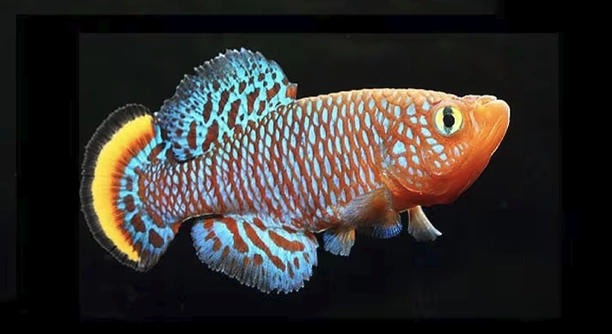
Killi tanks create a beautiful environment that supports delicate aquatic plants. Maintaining these plants requires simple care routines to keep them healthy and vibrant. Proper attention ensures the tank remains a balanced habitat for both plants and fish.
Maintaining killi tank plants involves controlling water quality, providing appropriate lighting, and managing nutrients. Regular trimming and monitoring for algae growth prevent plant decay, while stable temperatures and gentle water flow support their growth and overall tank health.
These easy tips will guide you in creating a thriving aquatic garden. Following them helps preserve your plants and keeps your killi tank looking its best.
Choosing the Right Plants for Your Killi Tank
Selecting plants that suit your killi tank is essential for a healthy setup. Some species thrive better in the specific water conditions killi fish prefer. For example, hardy plants like Java fern, Anubias, and Cryptocoryne are excellent choices. They tolerate a wide range of temperatures and low light levels. Avoid delicate plants that require very specific care, as they might struggle in your tank environment. Choosing the right plants reduces maintenance and supports the natural behavior of your killi fish. It also prevents the need for frequent replacements, saving time and effort. Make sure the plants have enough space to grow without overcrowding the tank. Spacing also helps improve water circulation, which benefits both plants and fish. Taking time to research plant species suitable for your tank conditions will lead to a more balanced and visually appealing aquarium that supports the health of all its inhabitants.
Selecting hardy plants reduces risks and maintenance in your killi tank. It also helps create a stable and thriving habitat for your fish.
Proper plant choice supports oxygen levels and provides hiding spots, improving the tank’s overall ecosystem. This balance contributes to fish health and a natural look.
Managing Light and Nutrients
Light plays a key role in the growth of aquatic plants. Killi tank plants generally require moderate lighting—too much light can encourage algae growth, while too little can slow plant development. Position your tank where natural sunlight is limited or use adjustable aquarium lights. This lets you control how much light the plants receive daily. Nutrients also need attention. Using a good quality substrate with nutrients helps roots grow strong. Supplement with liquid fertilizers designed for aquatic plants but avoid overfeeding, as excess nutrients can harm water quality. Testing water regularly helps track nutrient levels and prevents imbalances. Maintaining proper light and nutrient levels ensures healthy plants, which in turn supports the well-being of your killi fish by keeping the environment clean and stable. Monitoring these factors makes plant care manageable and keeps your tank visually pleasing for longer.
Controlling Algae Growth
Algae can quickly take over a killi tank if left unchecked. It competes with plants for nutrients and light, which harms plant health. Regular cleaning and balanced lighting help keep algae under control.
Removing algae manually during water changes is effective. Use a soft brush or algae scraper on the tank walls and decorations. Avoid harsh chemicals, as they can harm fish and plants. Introducing algae-eating species, like small snails or shrimp, can also help keep algae levels down naturally. Maintaining proper light duration—about 8 to 10 hours per day—prevents excessive algae growth by limiting energy for photosynthesis. Monitoring nutrient levels and avoiding overfeeding are important too. Excess nutrients fuel algae growth and upset the tank’s balance.
Consistent tank maintenance is key to preventing algae from overwhelming plants. By balancing light and nutrients, you protect your aquatic plants and ensure a healthier environment for your killi fish.
Regular Plant Trimming
Trimming keeps plants healthy and prevents overcrowding. Removing dead or decaying leaves reduces waste buildup and limits algae growth. It also encourages new growth and maintains the tank’s appearance.
Regular trimming supports better water circulation, which improves oxygen flow around the plants and fish. It prevents plants from blocking light to lower leaves and helps maintain a balanced ecosystem. Trim slowly and carefully to avoid stressing plants or fish. Removing too much at once can shock the plants and cause growth delays. Use clean, sharp scissors to make precise cuts near the base of leaves or stems. After trimming, remove any cuttings from the tank to avoid decomposition. Consistent care through trimming promotes vibrant, thriving plants that complement your killi tank’s natural look.
Monitoring Water Quality
Water quality directly affects plant health in your killi tank. Regular testing for pH, ammonia, nitrites, and nitrates helps maintain a stable environment. Clean water supports plant growth and fish well-being.
Perform partial water changes weekly to remove toxins and replenish minerals. Use a water conditioner to neutralize chlorine and chloramine in tap water, ensuring safety for both plants and fish.
Choosing the Right Substrate
A nutrient-rich substrate is important for rooted plants. It provides essential minerals that support strong root development and overall plant health.
Gravel or sand alone may not supply enough nutrients. Consider adding root tabs or specialized aquatic soil to enrich the substrate. This creates a more stable base for your plants to thrive.
Avoiding Overfeeding
Excess food can pollute the tank and promote algae growth. Feed your killi fish small amounts that they can consume within minutes.
Overfeeding not only affects water quality but also stresses plants. Keeping feeding controlled helps maintain balance and supports healthy aquatic plant life.
FAQ
How often should I change the water in my killi tank?
Regular water changes are essential to maintain healthy plants and fish. Aim to change about 20-30% of the water weekly. This helps remove waste and toxins that build up over time. It also replenishes essential minerals and keeps the environment stable for your aquatic plants and killi fish.
What type of lighting is best for killi tank plants?
Moderate lighting works best. Too much light can encourage algae growth, while too little slows plant development. Use aquarium lights that provide about 8 to 10 hours of light daily. Position the tank away from direct sunlight to avoid excessive light exposure.
Can I use fertilizers in my killi tank?
Yes, but use them carefully. Liquid fertilizers designed for aquatic plants help provide nutrients, especially if your substrate lacks them. Avoid over-fertilizing, as this can lead to algae problems and poor water quality. Regular water testing helps you keep nutrient levels balanced.
What plants are best for a killi tank?
Hardy plants like Java fern, Anubias, and Cryptocoryne are ideal. They tolerate a range of temperatures and low light conditions, making them easier to care for. Avoid delicate plants that require very specific conditions, as they might not thrive.
How do I control algae in my tank?
Control algae by balancing light and nutrients. Limit light to 8-10 hours daily and avoid overfeeding. Regularly remove algae manually using a soft brush or scraper. Adding algae-eating snails or shrimp can help reduce algae naturally. Consistent cleaning prevents algae from overwhelming your plants.
Is trimming necessary for aquatic plants?
Yes, trimming is important to keep plants healthy. Remove dead or dying leaves to reduce waste and prevent decay. Trimming also encourages new growth and helps maintain good water circulation. Use sharp scissors and trim slowly to avoid stressing plants.
How do I keep water parameters stable?
Regular water testing is key. Monitor pH, ammonia, nitrite, and nitrate levels. Keep these within safe ranges for killi fish and plants. Perform partial water changes weekly and use a water conditioner to remove harmful chemicals from tap water. Stable water conditions support plant and fish health.
Can I mix different plant species in my tank?
Mixing species is fine as long as their care requirements are similar. Choose plants that thrive in the same temperature and light conditions. Avoid overcrowding by spacing plants to allow growth and good water flow. A diverse plant selection creates a more natural and appealing tank environment.
What is the best substrate for plant growth?
Nutrient-rich substrates are best. They provide minerals that support root development and overall health. Use aquatic soil or add root tabs to gravel or sand substrates. This helps your plants establish strong roots and grow well over time.
How do I prevent plants from overtaking the tank?
Regular trimming and spacing prevent overcrowding. Keep an eye on fast-growing species and prune them often. Proper tank maintenance ensures plants don’t block light or reduce water circulation. Balanced growth helps maintain a healthy ecosystem for both plants and killi fish.
Final thoughts on maintaining killi tank plants focus on consistent care and balance. Keeping the right water conditions, lighting, and nutrients in check creates a healthy environment for both plants and fish. Small actions, like regular water changes and trimming, make a big difference in the tank’s overall health. These simple habits prevent common problems such as algae overgrowth and plant decay. Following basic guidelines helps ensure your aquatic plants stay vibrant and your killi fish thrive.
It is important to choose plants suited to your tank’s conditions. Hardy species that tolerate a range of temperatures and light levels tend to require less effort. Providing a nutrient-rich substrate supports strong roots and growth. Avoiding overfeeding and maintaining stable water quality also protects the plants from stress. When problems arise, addressing them early helps avoid damage. Taking time to observe your tank regularly allows you to notice changes and act quickly. This ongoing attention supports a balanced and natural-looking environment.
Maintaining a killi tank with live plants is rewarding when done with care and patience. Healthy plants improve water quality and provide shelter for fish. They add beauty and interest to the tank, making it more enjoyable to watch. By following easy tips and staying consistent with maintenance, you create a thriving aquatic ecosystem. This care supports both the plants’ and fish’s long-term health. Keeping your killi tank plants well cared for ensures a peaceful and attractive habitat for your aquatic life.

Hello,
If you enjoy the content that we create, please consider saying a "Thank You!" by leaving a tip.
Every little bit helps us continue crafting quality advice that supports the health, happiness, and well-being of pets around the world, for pets of all shapes, sizes, and species.
We really appreciate the kindness and support that you show us!