
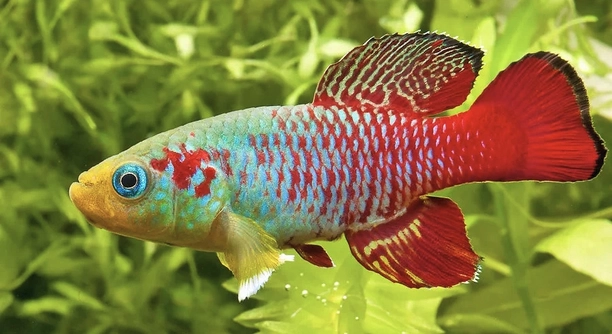
Killi fish are small, colorful freshwater fish popular in home aquariums. They are known for their lively behavior but can sometimes show bullying tendencies toward tank mates. Managing these interactions is important for a peaceful aquarium environment.
Handling a bullying killi fish involves identifying aggressive behavior early and separating or rearranging the tank to reduce stress. Providing ample hiding spaces and ensuring proper tank size also helps minimize bullying and promotes healthier social dynamics.
Learning these steps can improve the well-being of all your fish and create a calmer, more balanced aquatic community. Understanding the behavior makes caring for your killi fish easier and more rewarding.
Recognizing Aggressive Behavior in Killi Fish
Aggressive behavior in killi fish often appears as chasing, nipping, or blocking other fish from food or hiding spots. These actions can cause stress and injury to tank mates. It is important to observe your fish regularly to spot these signs early. Some killi species are naturally more territorial, especially males during breeding seasons. Changes in water conditions or overcrowding can also increase aggression. Noticing these patterns allows you to take action before the situation worsens. Removing or separating the aggressive fish temporarily can help calm the tank. Adding plants or decorations gives other fish places to hide and reduces direct confrontations. Keeping your tank clean and maintaining stable water parameters supports a healthier environment that discourages aggression. Being proactive with observation helps maintain peace in your aquarium.
Early detection of aggression is key to preventing harm and maintaining a balanced tank environment.
Adjusting the environment and carefully monitoring your killi fish reduces bullying and supports healthier fish relationships.
Creating a Balanced Environment for Your Killi Fish
Providing a spacious tank with enough hiding places can significantly reduce aggression among killi fish. Overcrowding leads to stress and competition, so keeping fewer fish or a larger tank helps maintain balance. Plants, rocks, and decorations give fish spots to retreat when feeling threatened. This reduces direct confrontations and allows bullied fish to rest. Additionally, feeding your fish multiple times a day with varied food ensures all fish get enough nutrition, decreasing fights over food. Maintaining clean water and stable conditions also prevents stress that can trigger aggression. When aggression persists, consider separating the aggressive fish temporarily until behavior improves. By adjusting tank size, layout, and feeding routines, you create a more harmonious environment that benefits all inhabitants and reduces bullying behaviors.
Managing Tank Mates for Killi Fish
Choosing compatible tank mates is essential to reduce bullying. Avoid aggressive or overly active fish that may provoke your killi fish. Select peaceful species that prefer similar water conditions and have different swimming levels.
Introducing calm species such as small tetras or rasboras can help maintain harmony. Avoid larger, aggressive fish that may intimidate or attack killi fish. Mixing species with varied temperaments but compatible environments prevents competition for space and food. Proper research on tank mate compatibility is key to preventing aggression. Observing how new fish interact before permanent introduction helps avoid conflicts.
In some cases, keeping killi fish in a species-only tank is the best option to reduce bullying. This approach allows better control over social dynamics and reduces stress caused by incompatible species.
Adjusting Feeding Routines to Reduce Aggression
Feeding multiple small meals throughout the day decreases competition and aggression during feeding times. Offering a varied diet that meets nutritional needs keeps fish satisfied and less likely to fight over food. High-quality flakes, frozen, and live foods can be rotated for a balanced diet.
Unequal access to food often triggers bullying, so spreading food evenly around the tank is helpful. Watching feeding behavior allows you to identify any fish being excluded or chased away. Adjusting the feeding method, such as using feeding rings or target feeding, can ensure all fish get enough nutrition. Keeping fish well-fed reduces stress and helps maintain peace. A consistent feeding schedule supports healthier fish and minimizes aggressive incidents.
Using Tank Dividers
Tank dividers can separate aggressive killi fish without removing them completely. This keeps fish visible to each other but prevents physical harm. Dividers are useful during breeding or if aggression spikes.
They also help introduce new fish gradually, reducing stress and potential bullying in the tank.
Monitoring Water Quality Regularly
Maintaining clean, stable water conditions is crucial to reducing stress-induced aggression in killi fish. Regular water changes, testing for ammonia, nitrite, and nitrate, and proper filtration keep the environment healthy. Poor water quality often causes irritability and aggressive behavior, so consistent maintenance improves fish health and temperament.
Handling Injuries Quickly
If bullying causes injuries, isolate the injured fish in a quarantine tank. Treat wounds promptly with appropriate medication to prevent infection. Keeping the injured fish safe aids recovery and prevents further harm.
Recognizing When Separation Is Necessary
Severe or persistent bullying may require permanently separating aggressive individuals. Prioritizing the well-being of all fish helps maintain a peaceful tank environment.
FAQ
How can I tell if my killi fish is bullying others?
Aggressive behavior in killi fish includes chasing, nipping, and blocking other fish from food or hiding spots. If you notice one fish repeatedly targeting the same tank mate, this is a clear sign of bullying. Watch for damaged fins or stressed fish hiding more often. Early detection helps prevent injury and stress.
What tank size is best to reduce bullying?
A larger tank generally reduces aggression by providing more space to establish territories and avoid conflicts. For most killi species, a minimum of 10 to 20 gallons is recommended, depending on the number of fish. Overcrowding increases competition and stress, which often leads to bullying.
Are there specific plants or decorations that help reduce aggression?
Dense plants, rocks, and caves create hiding places and visual barriers, helping fish escape aggressive encounters. Live plants like Java moss or floating plants are great options. These elements break line of sight and allow bullied fish to find refuge, lowering stress and aggression.
Can feeding influence bullying behavior?
Yes. Feeding multiple small meals throughout the day reduces competition for food and limits aggressive behaviors. Offering food evenly spread across the tank ensures all fish get a chance to eat without fighting. Using varied diets also keeps fish healthy and less irritable.
Is it possible to keep killi fish with other species?
It depends on the species’ temperament and tank conditions. Peaceful, small fish like certain tetras or rasboras may coexist if the tank is spacious and well-planted. Avoid aggressive or highly active species that might provoke your killi fish. When unsure, a species-only tank is safest.
What should I do if aggression continues despite changes?
Persistent aggression may require separating the aggressive fish using tank dividers or quarantine tanks. Permanent separation is sometimes necessary to protect the health and well-being of other fish. Regular monitoring and environmental adjustments may help reduce aggression over time.
How often should I test my tank water to prevent stress-induced aggression?
Testing water parameters weekly is ideal. Keeping ammonia, nitrite, and nitrate levels within safe limits maintains fish health. Poor water quality can increase stress and aggressive behavior, so consistent water changes and proper filtration are important.
Can breeding increase aggression in killi fish?
Yes. Male killi fish often become more territorial and aggressive during breeding seasons. Providing plenty of hiding places and separating fish if needed can reduce stress. Monitoring behavior closely helps prevent injury during this period.
Are there signs that bullying is harming my fish?
Look for torn fins, faded colors, lethargy, or hiding. These signs indicate stress or injury from bullying. Immediate action, such as isolation or environmental changes, is needed to prevent serious health problems.
How do tank dividers work and when should I use them?
Tank dividers physically separate aggressive fish while allowing water flow and visual contact. Use them when aggression spikes or during breeding to protect weaker fish. They also help introduce new fish gradually without direct confrontation.
Can changing tank decorations help reduce aggression?
Rearranging decorations disrupts established territories and can reduce aggression by resetting social hierarchies. Adding new plants or structures offers more hiding spots and reduces stress. Regular changes may be beneficial in maintaining peace.
What is the best way to introduce new fish to a tank with killi fish?
Introduce new fish slowly and monitor interactions closely. Using a tank divider or quarantine area for the newcomer allows gradual adjustment. Make sure the tank is spacious with plenty of hiding spots to minimize territorial disputes.
How do I treat injuries caused by bullying?
Isolate the injured fish in a separate tank and clean wounds with antibacterial treatments if necessary. Maintain clean water and reduce stressors to support healing. Prompt care prevents infections and promotes recovery.
Does lighting affect killi fish behavior?
Bright or constant lighting can increase stress and agitation. Providing a natural day-night cycle with subdued lighting helps calm fish. Use floating plants or dimmers to control light intensity and reduce aggressive behavior.
What role does water temperature play in aggression?
Maintaining the recommended temperature range for your killi species prevents stress. Temperature fluctuations can cause irritation and increase aggression. Use reliable heaters and thermometers to keep water stable and comfortable.
This FAQ addresses common concerns about handling bullying killi fish, focusing on practical and simple steps to improve aquarium harmony.
Final Thoughts
Handling bullying behavior in killi fish requires patience and attention. It is important to watch your fish closely to identify any signs of aggression early. Once you notice aggressive behavior, acting quickly can prevent injuries and reduce stress for all fish in the tank. Small changes like adding hiding places or rearranging decorations often help reduce tension. A peaceful aquarium environment depends on careful observation and timely intervention.
Maintaining good tank conditions is also key to managing bullying. Clean water, proper temperature, and enough space allow fish to feel comfortable and less likely to act aggressively. Feeding your fish regularly with varied food lowers competition and keeps them healthy. Choosing compatible tank mates and sometimes using tank dividers can further reduce conflict. These practical steps work together to support the well-being of your killi fish and other aquarium inhabitants.
While dealing with bullying killi fish can be challenging, it is rewarding to see your aquarium become more balanced and calm. Understanding their behavior and adjusting the environment helps create a safe space where fish can thrive. Keeping your aquarium peaceful takes ongoing care, but the effort improves the health and happiness of your fish. With consistent attention and proper management, you can enjoy watching your killi fish live peacefully alongside their tank mates.

Hello,
If you enjoy the content that we create, please consider saying a "Thank You!" by leaving a tip.
Every little bit helps us continue crafting quality advice that supports the health, happiness, and well-being of pets around the world, for pets of all shapes, sizes, and species.
We really appreciate the kindness and support that you show us!