
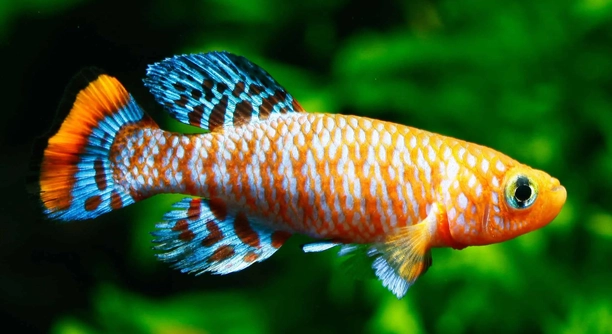
Are your killifish tanks looking a little unorganized or harder to maintain than expected, despite your best efforts and care?
Using a few simple tools can greatly improve your killifish care routine. These tools support tank cleanliness, maintain water quality, and ensure your fish remain healthy and stress-free.
From water conditioners to feeding tools, each item can help you build a better environment for your killifish without adding complexity to your daily routine.
Aquarium Heater
A reliable aquarium heater is essential for keeping your killifish comfortable. These fish are sensitive to temperature changes, so stable water conditions help prevent stress and illness. Heaters with built-in thermostats are the best option because they adjust automatically when the temperature drops. It’s important to choose one based on your tank’s size and volume. A small tank needs a low-wattage heater, while larger tanks require more power to keep the water stable. Place the heater near a water flow source like a filter outlet to ensure even heat distribution. Always monitor the temperature with a separate thermometer. Consistent temperatures help your killifish remain active and healthy. Heaters that are easy to adjust and have safety features like automatic shut-off can make tank maintenance safer and more convenient. Investing in the right model will help create a balanced habitat, reducing the chances of disease caused by cold or unstable conditions.
Use a heater that keeps water between 72°F and 78°F. Killifish are tropical and need warmth to stay healthy and active every day.
Some people skip the heater when keeping fish in warmer rooms, but this can lead to trouble if temperatures suddenly change. Even slight drops can weaken your killifish and make them more prone to disease. A consistent temperature range is important not only for comfort but also for digestion, breeding, and immune health. If your room temperature drops at night, your tank’s water could cool down faster than expected. Heaters with adjustable settings allow you to manage changes easily. Look for models that are fully submersible, easy to clean, and marked with temperature indicators. It’s helpful to pair the heater with a thermometer that shows daily readings. When the temperature is steady, you’ll notice more active swimming, brighter colors, and better feeding responses. This simple tool plays a key role in your fish’s long-term care.
Water Conditioner
Killifish are sensitive to harmful substances in tap water, so it’s important to treat the water properly. A water conditioner helps remove chlorine, chloramines, and heavy metals that can hurt your fish.
Using a water conditioner every time you change water protects your killifish from stress and prevents health issues caused by toxic chemicals. Tap water may seem clean, but it often contains additives used for disinfection. These are safe for people but harmful to fish. A good conditioner works quickly, usually within minutes, making your water safe before it enters the tank. Some conditioners also reduce ammonia and nitrite levels, which is helpful if you’re still cycling your tank or dealing with small spikes in waste. For tanks with delicate fish like killifish, this extra protection is helpful. Choose a product with clear dosing instructions and use a clean container for mixing when doing water changes. With this simple step, you’ll maintain a safe and stable home for your fish, supporting their health and natural behavior.
Sponge Filter
Sponge filters are gentle, making them perfect for killifish tanks. They provide both mechanical and biological filtration without creating strong currents that can stress small or delicate fish. These filters also keep fry safe since there’s no suction to trap them.
A sponge filter works by drawing water through its porous surface, trapping debris while encouraging the growth of beneficial bacteria. These bacteria help break down waste, keeping ammonia and nitrite levels low. It’s important to rinse the sponge regularly in old tank water—not tap water—to preserve these helpful bacteria. Sponge filters are also easy to install and maintain. They run on air pumps, which are quiet and energy-efficient. For small tanks or breeding setups, this tool is especially useful. It helps keep the water clear without disturbing your killifish. If your fish appear stressed by stronger filters, switching to a sponge filter can improve their comfort and behavior quickly.
Sponge filters are a budget-friendly choice and last for years with proper care. They don’t need frequent replacements like other filters and are easy to clean. The slow flow they create is ideal for species like killifish that don’t like fast-moving water. Many keepers use them in both main and breeding tanks. These filters can also support live plants by improving water quality without disturbing the substrate. When paired with a small air pump, the bubbling action helps oxygenate the water gently. This setup supports both the health of your fish and the overall balance of the aquarium. If you’re looking for a tool that’s simple, effective, and safe for your killifish, a sponge filter is one of the best options available. It keeps maintenance easy while offering consistent performance.
Aquarium Lid or Cover
Killifish are strong jumpers and can easily escape from open tanks. A secure lid helps prevent accidents and keeps your fish safe. Make sure it fits well and doesn’t leave large gaps around the edges.
Many species of killifish come from shallow or slow-moving waters and naturally jump to move between pools. In a tank setting, this behavior becomes risky without a proper cover. Even a small opening can lead to loss. Glass lids, mesh covers, or acrylic tops all work well. Choose one based on your tank setup and lighting. Mesh covers are great for airflow and work well with clip-on lights. Glass or acrylic lids help reduce evaporation and maintain humidity levels. A lid also helps keep dust, insects, and household cleaners from contaminating the tank. If your killifish are often startled, a cover prevents panic jumps. Secure, tight-fitting lids are a small but essential tool in keeping your fish safe every day.
Feeding Tongs or Pipettes
Feeding tongs or pipettes help you give live or frozen food directly to your killifish. This method keeps the tank cleaner and reduces food waste. It also allows you to observe their appetite and eating behavior more closely.
Using tools like these makes it easier to control portion sizes. This is helpful for small tanks, especially when feeding fry or shy species. It also reduces the risk of leftover food decaying and causing water problems.
Timer for Lights
A light timer creates a consistent day-night cycle for your killifish. This helps regulate their internal clock, reduce stress, and support natural behavior. Timers also prevent you from forgetting to turn the lights on or off. They’re especially useful if you follow a regular routine.
Algae Scraper
An algae scraper keeps tank glass clear without disturbing the fish. It helps maintain good visibility and prevents algae buildup from affecting your killifish’s environment. Choose a scraper that matches your tank type—glass or acrylic—to avoid scratches.
What is the best way to keep killifish water clean?
Keeping killifish water clean starts with regular water changes and proper filtration. Using a sponge filter is highly effective because it provides gentle filtration that won’t stress your fish. Change 20-30% of the water weekly, and always treat new water with a conditioner to remove harmful chemicals. Avoid overfeeding, as leftover food increases waste. Monitoring water parameters like ammonia, nitrite, and nitrate also helps maintain a healthy environment. Consistency in these practices will keep your killifish healthy and active.
How often should I change the water in a killifish tank?
Water changes should be done weekly, replacing about 20-30% of the tank water each time. Frequent partial changes prevent buildup of toxins and help maintain stable water conditions. Avoid changing too much at once, which can cause stress. Regular water changes support water clarity, reduce algae growth, and keep fish healthy.
What temperature is ideal for killifish?
Killifish thrive in temperatures between 72°F and 78°F. Maintaining stable warmth within this range supports their metabolism and immune system. Sudden temperature fluctuations can cause stress and increase vulnerability to disease. Using an aquarium heater with a thermostat and monitoring the temperature daily are good practices.
Can killifish live without a heater?
Killifish can survive without a heater if room temperature remains stable within their preferred range. However, many homes have temperature swings, especially at night, which can harm the fish. A heater ensures consistent warmth, preventing stress caused by cold water. It is generally recommended for long-term health.
What kind of food is best for killifish?
Killifish eat a variety of live, frozen, and prepared foods. Live foods like brine shrimp, daphnia, and mosquito larvae are ideal because they mimic natural diet and encourage healthy activity. Frozen options are convenient and nutritious. High-quality flake or pellet foods can supplement their diet but should not be the only source.
How do I prevent killifish from jumping out of the tank?
Using a secure lid or cover is the best way to prevent killifish from jumping out. These fish are natural jumpers, so even small gaps can lead to escape. Choose lids that fit tightly without leaving openings and ensure good ventilation to maintain oxygen levels.
Is it necessary to use a water conditioner?
Yes, water conditioners are necessary when using tap water. They remove chlorine, chloramines, and heavy metals that are harmful to killifish. Treating water before adding it to the tank prevents stress and health problems. Always follow dosing instructions for safe use.
How important is lighting for killifish?
Lighting is important to regulate killifish’s natural behavior and breeding cycles. A timer helps create a consistent day-night rhythm, reducing stress. Avoid overly bright or direct light, which can cause discomfort. Soft, moderate lighting is best to mimic their natural environment.
Can I keep killifish with other fish?
Killifish can be kept with peaceful tank mates, but many species prefer solitude or small groups of their own kind. Avoid aggressive or fast swimmers that may outcompete them for food or stress them. Research the temperament of both killifish species and potential companions before mixing.
What are signs of a healthy killifish?
Healthy killifish are active swimmers with vibrant colors and clear eyes. They respond to feeding and show natural behaviors like exploring or resting among plants. Lack of appetite, dull colors, or unusual swimming patterns may indicate illness or stress.
How do I breed killifish successfully?
Breeding killifish requires stable water conditions and proper spawning materials, like peat moss or spawning mops. Males often display brighter colors during breeding. After spawning, eggs should be collected or the parents removed to prevent eating. Incubate eggs in clean water at the right temperature until they hatch.
Can killifish live in small tanks?
Killifish can live in small tanks, but the size depends on species and number of fish. A minimum of 5 gallons is often recommended for one or two killifish. Small tanks require more frequent maintenance to keep water quality high. Proper filtration and regular water changes are essential.
What should I do if my killifish is sick?
If your killifish shows signs of illness, isolate it in a quarantine tank. Test water parameters to rule out environmental causes. Treat common infections with appropriate medication, and maintain clean, warm water. Seek advice from a vet or experienced keeper if symptoms persist. Early intervention improves recovery chances.
Taking good care of killifish involves using the right tools and keeping a steady routine. Each tool has a specific purpose that helps create a healthy environment for your fish. From maintaining proper temperature with a heater to filtering the water gently with a sponge filter, these simple tools make daily care easier. A water conditioner ensures the water is safe, while a secure lid prevents your fish from jumping out. Using feeding tools can help control portions and keep the tank clean. These items are not complicated, but they provide important support to keep your killifish comfortable and thriving.
Consistency is key when caring for killifish. Regular water changes, stable temperature, and proper feeding all work together to maintain water quality and reduce stress on the fish. Small efforts, like setting a timer for aquarium lights or cleaning algae off the tank glass, help create a better living space. Killifish are delicate and sensitive to changes, so keeping their environment stable can prevent common health problems. Taking time to observe their behavior and make adjustments will improve their well-being over time. Using the right tools helps simplify these tasks and improves the overall care routine.
Overall, killifish care does not need to be complicated. With a few simple tools and steady habits, you can create a healthy and comfortable home for your fish. Understanding what they need and providing the right environment supports their natural behavior and longevity. Taking care of killifish can be a rewarding experience when you focus on consistent care and use helpful tools. These basic steps can make a big difference in keeping your killifish happy and healthy for years to come.

Hello,
If you enjoy the content that we create, please consider saying a "Thank You!" by leaving a tip.
Every little bit helps us continue crafting quality advice that supports the health, happiness, and well-being of pets around the world, for pets of all shapes, sizes, and species.
We really appreciate the kindness and support that you show us!