
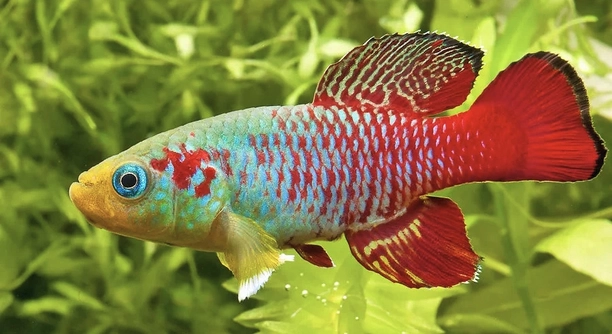
Is your killifish floating upright more often than swimming normally in its tank, leaving you feeling unsure about what’s going on?
The most common reason a killifish floats upright is due to a swim bladder disorder. This condition affects the fish’s buoyancy, often resulting from overfeeding, constipation, or a bacterial infection that interferes with normal swimming behavior.
Understanding what causes swim bladder issues and how to treat them can help you care for your fish more confidently and avoid future problems.
Understanding Why Your Killifish Floats Upright
Killifish floating upright is often linked to swim bladder problems. This small organ controls buoyancy and helps fish stay balanced in the water. When it’s affected, your fish may float at odd angles or struggle to swim. The condition may develop from overfeeding, constipation, or infections caused by poor water conditions. Uneaten food, dirty gravel, or unstable temperatures can all contribute to this issue. Feeding too much protein-rich food can also upset the digestive system, putting pressure on the swim bladder. Some killifish are more sensitive, especially when exposed to stress or sudden changes in their environment. Symptoms usually include floating at the surface, sinking to the bottom, or listing to one side. It’s not always fatal, but it needs prompt attention. Watching for changes in your fish’s behavior and swimming pattern is one of the first signs that something is wrong and should be addressed quickly.
Mild cases can often be treated by adjusting diet or using Epsom salt to reduce bloating.
Providing clean water, proper feeding routines, and stable temperatures will support your fish’s recovery and overall health.
Helping Your Killifish Recover
Start by not feeding your fish for a day or two to allow the digestive system to clear out.
Once fasting is complete, offer a blanched, peeled pea as a gentle way to relieve any blockages. This fiber-rich food can help clear the digestive tract and ease pressure on the swim bladder. Make sure to remove any leftover food quickly to avoid water pollution. Maintain consistent water temperatures, ideally around 72–75°F, and check ammonia, nitrite, and nitrate levels regularly. Using a sponge filter or gentle filtration system can reduce current stress and keep your killifish calm. You may also add aquarium salt or Epsom salt at the proper dosage to reduce inflammation and support internal balance. Isolate the affected fish if tank mates are causing stress or competition. Always observe changes after each step you take. If the problem continues, consulting a vet who specializes in fish may be necessary. Acting early increases the chances of a full recovery.
Preventing Future Swim Bladder Problems
Keeping your tank clean is one of the easiest ways to prevent swim bladder issues. Poor water quality affects digestion and increases the chance of infection, both of which can lead to buoyancy problems in sensitive fish like killifish.
Feed your killifish small portions once or twice a day, avoiding overfeeding. Use high-quality, species-appropriate food and limit protein-heavy diets, especially dried or freeze-dried items that expand in the stomach. Include occasional vegetable matter or a blanched pea to help digestion. Remove uneaten food within five minutes to prevent rotting. Check water temperature regularly and avoid sudden changes. Use a thermometer and heater if necessary. A stable, clean environment supports healthy digestion and reduces stress. Monitor your killifish closely after feeding, especially if it has had buoyancy issues before. A little extra attention during mealtime can help prevent problems before they start.
Adding live plants and hiding spaces also helps reduce stress, which plays a bigger role in fish health than many realize. Stressed fish eat less, rest poorly, and are more prone to infections that affect organs like the swim bladder. Avoid overcrowding the tank and try not to move decorations too often. Keep lighting soft and consistent. Small changes make a big difference when you’re trying to create a balanced tank.
When to Seek Professional Help
If your killifish is still floating upright after a week of care, it may be time to get a professional opinion. Persistent symptoms could point to internal damage or a more serious infection.
A vet who treats fish can examine your killifish and may run tests to rule out internal parasites, bacterial infections, or genetic issues. They might prescribe antibiotics or suggest a medicated bath. Always follow their dosing instructions carefully. Do not attempt to use medications meant for other pets. In some cases, long-term damage to the swim bladder can’t be reversed, but supportive care can improve quality of life. If professional help isn’t available in your area, reaching out to an experienced aquarist online can be helpful. Share tank conditions, feeding habits, and any photos of your fish’s behavior. Catching the problem early and asking for help is always better than waiting too long.
Common Mistakes to Avoid
Feeding too much or too often is a mistake many fish keepers make. Killifish have small stomachs, and extra food can cause digestive issues that affect the swim bladder.
Another mistake is skipping regular water checks. Poor water quality often leads to stress and illness, which can trigger buoyancy problems.
How Stress Affects Buoyancy
Stress plays a big role in swim bladder issues. When killifish feel threatened or uncomfortable, their immune system weakens, making them more vulnerable to infections. Stress can come from aggressive tank mates, sudden temperature drops, loud noises, or even constant light. These conditions make it harder for the fish to regulate their buoyancy. Fish need a calm space to swim, rest, and eat properly. If they’re constantly on alert, digestion slows down, which puts pressure on the swim bladder. Creating a peaceful tank setup helps avoid these problems. Always observe your fish and make small changes if it seems anxious or withdrawn.
Proper Feeding Habits
Feed only what your killifish can eat in two minutes. Avoid floating pellets that swell in the stomach, and offer variety to keep digestion healthy.
FAQ
Can a killifish recover from swim bladder disorder?
Yes, many killifish can recover if the issue is addressed early. Recovery depends on the cause—whether it’s constipation, stress, or infection. Mild cases improve with fasting, feeding a blanched pea, and providing clean water. If the condition is chronic or linked to organ damage, the fish may not fully recover, but symptoms can be managed. Acting quickly and making changes to tank care and diet often gives your fish the best chance at getting back to normal swimming behavior.
How long should I fast my killifish if it’s floating upright?
A 24 to 48-hour fast is usually enough to clear minor digestive blockages. After fasting, offer a small piece of a cooked, skinless pea. Continue to monitor the fish during this period. If there’s no improvement, look at other causes like poor water quality or infection. Fasting longer than 48 hours isn’t recommended unless under veterinary guidance. Killifish have fast metabolisms and need proper nutrition to stay healthy, so extended fasting can do more harm than good.
Can poor water quality really affect the swim bladder?
Yes, dirty or unstable water affects more than just appearance—it impacts your fish’s overall health. Ammonia, nitrites, and fluctuating pH can weaken the immune system, increase stress, and lead to infection or inflammation that disturbs the swim bladder. It also affects how your killifish digests food, which can contribute to bloating and buoyancy problems. Regular water changes, using a good filter, and testing your water at least once a week help avoid these risks.
Should I isolate my killifish if it’s floating upright?
Isolation can help if your fish is being bothered by others or needs quiet recovery time. Use a separate tank or breeder box with the same temperature and water conditions. Avoid sudden changes in lighting or movement. Isolation also allows you to monitor food intake, waste, and behavior without distractions. However, isolation is not always necessary. If your tank is peaceful and the water is clean, treating the fish in place can work just as well. Avoid stressing the fish more with too many moves.
Can I use aquarium salt for swim bladder issues?
Yes, a small amount of aquarium or Epsom salt can help reduce bloating and relieve pressure on the swim bladder. Epsom salt is especially effective for constipation because of its magnesium content. Always use the correct dosage—usually 1 teaspoon per 5 gallons of water for Epsom salt. Dissolve it before adding it to the tank. Salt treatments are not a cure-all, but they can provide relief when used with proper feeding and clean water.
What if my killifish swims upright after every meal?
This could mean that food is expanding in the stomach or that the diet is too rich. Switch to smaller meals, offer soaked pellets or live food, and avoid dry flakes that can swell in the gut. Adding occasional fiber, like shelled peas, can support better digestion. If symptoms always follow feeding, it’s often related to food type or portion size. Observe your fish during and after feeding to see what changes make a difference.
Why does my killifish float but still look active?
Some fish remain alert and eat normally even when floating awkwardly. This means the swim bladder is affected, but the fish is otherwise stable. In these cases, recovery is more likely with dietary changes and clean water. Avoid stressing the fish with netting or fast movements. Watch for signs of worsening, such as lack of appetite or curling of the body. Early treatment usually keeps the condition from becoming serious.
Is it okay to feed my fish peas often?
Peas are helpful occasionally, but not daily. They’re good for clearing mild constipation and improving digestion. Overfeeding peas, though, can cause nutrient imbalance. Feed them once a week or only when needed. Always peel and blanch the peas before offering them. Use them as part of a varied diet that includes protein, plant-based options, and live or frozen food suitable for your killifish. Balanced feeding keeps the digestive system in good shape, reducing the chances of swim bladder problems.
Can swim bladder disorder spread to other fish?
Swim bladder disorder itself is not contagious. However, the conditions that cause it—like bacteria or poor water quality—can affect other fish in the tank. That’s why it’s important to keep your tank clean, observe all your fish, and act early if one shows symptoms. Keeping water parameters steady and feeding properly benefits the whole tank and helps prevent further issues. If several fish show signs, test your water immediately and consider a full tank cleaning.
What temperature should the water be for recovery?
Keep the water between 72–75°F for most killifish species. Sudden changes in temperature can stress the fish and slow recovery. Use a heater if your room temperature is unstable. Stable, warm water helps improve digestion, which is key when treating swim bladder issues. Avoid placing the tank near windows, vents, or high-traffic areas that can cause temperature swings. A thermometer inside the tank helps you monitor changes closely and keep conditions just right for healing.
Final Thoughts
Float-related problems in killifish can be troubling to watch, especially when the fish seems otherwise alert but cannot swim properly. These issues are often linked to the swim bladder, a small organ that controls balance in the water. When something goes wrong with digestion or the fish becomes stressed or sick, the swim bladder can stop working as it should. This leads to upright floating, sinking, or swimming sideways. While it can look serious, not every case is life-threatening. Many fish recover with simple changes in feeding, water quality, and tank setup. The key is to notice symptoms early and take action calmly and consistently.
Daily care plays a big role in preventing swim bladder issues. Keeping the tank clean, offering the right foods, and keeping the water temperature steady helps support your killifish’s health. Feeding small amounts, avoiding dry or expanding food, and adding variety to the diet can prevent bloating. Regular water tests help you catch problems before they affect your fish. Even something as simple as loud noise or too much light can cause stress, so creating a peaceful tank environment makes a real difference. Watching your fish daily and noting any small changes in behavior will help you respond quickly if something starts to go wrong.
Caring for killifish doesn’t need to be complicated. Most problems, including floating upright, can be avoided or corrected with good tank habits and a gentle approach. There may be times when professional help is needed, especially if symptoms do not improve after basic treatment. But in many cases, small changes are enough to help your fish swim normally again. With attention to feeding, water quality, and stress reduction, your killifish can stay healthy and active. Float-related behavior may seem alarming at first, but with a little patience and proper care, it can often be managed or even reversed. Watching your fish thrive again is a rewarding part of responsible fishkeeping.

Hello,
If you enjoy the content that we create, please consider saying a "Thank You!" by leaving a tip.
Every little bit helps us continue crafting quality advice that supports the health, happiness, and well-being of pets around the world, for pets of all shapes, sizes, and species.
We really appreciate the kindness and support that you show us!