
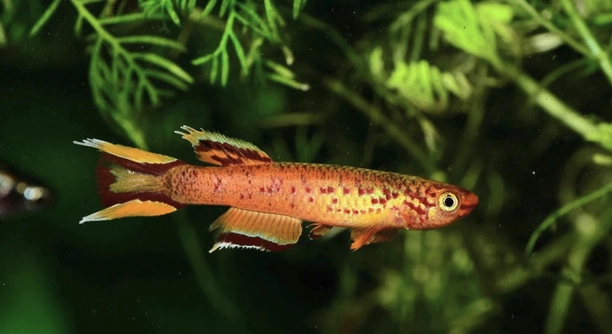
Killi fish are small, colorful freshwater fish known for their unique breeding habits. These behaviors are fascinating and important for anyone interested in caring for them. Understanding how they breed helps ensure their health and successful reproduction.
Killi fish display seven distinct breeding behaviors including courtship displays, nest building, egg laying, and parental care. These behaviors vary by species but are essential for successful mating and offspring survival in controlled environments or natural habitats.
Learning about these behaviors will enhance your ability to care for killi fish and support their natural life cycle. The details of each breeding habit reveal much about their delicate yet resilient nature.
Courtship Displays in Killi Fish
Courtship displays are an important part of killi fish breeding behavior. Males often show bright colors and perform specific movements to attract females. These displays include fin flaring, swimming patterns, and gentle chasing. The intensity of the display can vary depending on the species and the environment. This behavior helps the female choose a strong and healthy mate, which increases the chances of healthy offspring. Observing these displays can also give clues about the fish’s health and readiness to breed.
The courtship ritual strengthens the bond between the male and female before spawning.
Understanding courtship displays can help you create a better breeding environment. Providing plenty of hiding spots and stable water conditions encourages natural behavior. Watching these displays closely will also help you know when your fish are ready to breed, making the process smoother.
Nest Building
Nest building is another key behavior seen in many killi fish species. Some males prepare specific areas in the tank by cleaning leaves, plants, or substrate to create a safe spot for eggs. Others use floating plants or even small cavities to lay eggs. The quality of the nest is crucial for protecting the eggs from predators and environmental stress. Males can be very protective of these nests, guarding them aggressively against intruders. This behavior shows how much effort goes into ensuring the survival of the next generation.
Creating an environment with plenty of plants or hiding places supports this natural behavior and helps improve breeding success.
Egg Laying
Egg laying happens after the courtship and nest building are complete. Females deposit eggs carefully in the prepared nest or chosen spot. The number of eggs can vary widely depending on the species and the female’s health.
Eggs are often small and sticky, attaching firmly to plants, substrate, or nest surfaces. This prevents them from drifting away or being eaten by other fish. Females may lay eggs over several days, gradually filling the nest. The male sometimes helps by fertilizing the eggs immediately after they are laid.
It is important to maintain clean and stable water conditions during this time. Changes in water quality can cause females to abandon eggs or reduce fertility. Providing proper nutrition before and during spawning will also support healthy egg development and increase survival chances.
Parental Care
Parental care varies among killi fish species but is generally focused on protecting and maintaining the eggs. Males often guard the nest aggressively, chasing away intruders or other fish that might harm the eggs. Some species even fan the eggs to keep water circulating, which helps prevent fungal growth and provides oxygen.
Females usually do not stay near the nest once eggs are laid, leaving the males primarily responsible for care. This behavior increases the chances that more eggs will survive until hatching. Providing an environment with enough hiding spots helps reduce stress on the guarding fish, improving their ability to care for eggs. Understanding these care behaviors can guide you in managing your tank during breeding periods for better results.
Fry Hatching
Fry hatching usually occurs within a week after the eggs are laid, depending on water temperature and species. The male often continues guarding the nest until the fry become free-swimming.
Once hatched, fry stay close to the nest, absorbing their yolk sacs before exploring their environment.
Fry Care
After the fry absorb their yolk sacs, they begin to swim freely and search for food. At this stage, they are very fragile and need small, frequent feedings like infusoria or finely crushed flakes. Maintaining clean water is essential to prevent disease and promote healthy growth. The male may continue protecting the fry for several days, but eventually, they become independent.
Breeding Triggers
Environmental factors like temperature, lighting, and water quality can trigger breeding behaviors. Adjusting these conditions carefully can encourage spawning.
Species Differences
Breeding behaviors vary significantly between killi fish species, so it’s important to research the specific needs of your fish.
FAQ
How long does it take for killi fish eggs to hatch?
Killi fish eggs usually hatch between 5 to 10 days after being laid, depending on the species and water temperature. Warmer water tends to speed up development, while cooler water can slow it down. It’s important to maintain stable water conditions during this time to ensure healthy hatching.
Can I keep male and female killi fish together all the time?
Keeping males and females together outside of breeding times can be risky. Males may become aggressive, especially during breeding periods, which can stress or harm females. It’s best to separate them after spawning or provide plenty of space and hiding spots to reduce conflict.
Do all killi fish species build nests?
Not all killi fish build nests in the traditional sense. Some lay eggs on leaves or plants, while others scatter eggs in the substrate or on surfaces. Nest building varies widely by species, so knowing your specific fish’s habits will help you provide the right environment.
How do I know if my killi fish are ready to breed?
Males show readiness through bright colors and active courtship displays. Females may appear fuller in the belly when carrying eggs. Both will become more active and may start cleaning areas or plants in preparation for spawning.
What should I feed killi fish before and during breeding?
A varied diet of live or frozen foods like brine shrimp, daphnia, and bloodworms helps improve health and breeding success. Feeding small amounts multiple times a day can increase energy and encourage spawning behavior.
Is it necessary to remove the parents after eggs are laid?
It depends on the species. Some killi fish parents guard their eggs and fry without eating them, while others may eat the eggs or fry. Observing your fish and researching the species will help decide if parents should be removed.
How can I prevent fungus on killi fish eggs?
Maintaining clean water and good circulation around the eggs reduces fungus risk. Some breeders use mild antifungal treatments or add plants that help keep water quality high. Regular monitoring during incubation is important to catch problems early.
What tank setup is best for breeding killi fish?
A planted tank with plenty of hiding spots and gentle filtration is ideal. Floating plants or fine-leaved species offer good surfaces for egg laying. Stable water parameters and low current help keep eggs and fry safe.
Can killi fish breed in community tanks?
Breeding in community tanks is challenging because other fish may eat eggs or fry. For better results, it’s recommended to use a separate breeding tank or isolate the pair during spawning.
How often do killi fish breed?
Depending on species and conditions, killi fish can breed multiple times a year. Some species have seasonal breeding cycles, while others may spawn continuously if the environment is right.
What signs indicate successful breeding?
You’ll notice eggs attached to plants or nest areas, increased parental guarding, and later, free-swimming fry. Healthy fry are a clear sign your breeding efforts are working well.
Are killi fish fry difficult to raise?
Fry are delicate and require proper food and clean water to thrive. Feeding very small live or specialized foods and maintaining a calm environment help improve survival rates. Patience and care are key.
Can temperature changes trigger spawning?
Yes, temperature shifts can simulate seasonal changes that encourage breeding. Raising or lowering the temperature by a few degrees may trigger courtship and spawning behaviors.
Is lighting important for breeding?
Light cycles can influence breeding. A consistent day-night cycle with about 10 to 12 hours of light helps maintain natural rhythms and encourages spawning activity.
Do killi fish need specific water parameters to breed?
Most species prefer soft, slightly acidic to neutral water for breeding, but exact needs vary. Testing and adjusting pH, hardness, and temperature to match the natural habitat improves breeding success.
Final Thoughts
Killi fish have a wide range of breeding behaviors that make them interesting to observe and care for. From courtship displays to fry care, each step plays an important role in their life cycle. Understanding these behaviors helps provide the right environment and conditions needed for successful breeding. When you know what to expect, it becomes easier to support your fish and increase the chances of healthy offspring. Paying attention to their natural habits and needs can make a big difference.
Creating a suitable breeding environment involves more than just setting up a tank. It requires stable water conditions, proper diet, and enough hiding places for both adults and fry. Adjusting temperature and lighting to mimic natural changes can also encourage breeding behavior. Watching the fish as they interact during courtship and egg laying gives valuable clues about their health and readiness. This knowledge allows for better care and can reduce stress for the fish, which is very important during breeding.
Breeding killi fish can be a rewarding experience, but it also takes patience and careful observation. Not all species behave the same way, so researching the specific type of killi fish you have is essential. Taking the time to understand their breeding cycle and habits will help you manage your aquarium more effectively. By supporting their natural behaviors, you can enjoy watching these fascinating fish reproduce and thrive, making your aquarium a healthier and more vibrant place.

Hello,
If you enjoy the content that we create, please consider saying a "Thank You!" by leaving a tip.
Every little bit helps us continue crafting quality advice that supports the health, happiness, and well-being of pets around the world, for pets of all shapes, sizes, and species.
We really appreciate the kindness and support that you show us!