
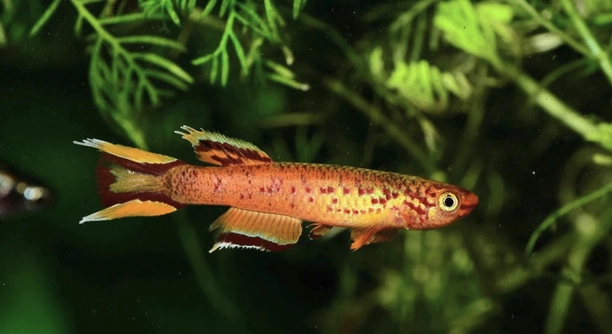
Killi fish are small, colorful fish that many hobbyists enjoy keeping. Their unique behavior and bright colors make them interesting pets. Choosing the right tank decorations can improve their environment and overall well-being.
Providing suitable tank decorations for killi fish involves selecting plants, hiding spots, and substrates that mimic their natural habitat. These elements reduce stress, encourage natural behavior, and promote healthy activity levels, contributing to their comfort and longevity.
Knowing which decorations best suit killi fish can help you create a thriving aquarium that supports their needs and enhances their natural beauty.
Live Plants for a Natural Feel
Live plants bring many benefits to a killi fish tank. They provide natural hiding spots, which help reduce stress for the fish. Plants also improve water quality by absorbing nitrates and producing oxygen. Common choices include Java moss, Anubias, and Amazon swords, as these plants are hardy and easy to maintain. Live plants create a more natural environment that closely resembles the killi fish’s habitat in the wild. This makes the fish feel more secure and active. In addition, the plants add visual appeal with their greenery and varied textures. When selecting plants, consider their size and growth rate to avoid overcrowding the tank. Proper lighting and water conditions will help the plants thrive and support the health of your fish.
Adding live plants can lead to a more balanced and comfortable tank environment. They work as natural filters and offer a peaceful space for killi fish to explore.
Keeping plants healthy requires regular trimming and monitoring of water parameters. Adjusting light duration and nutrient supply will keep the plants growing well without harming the fish. Overgrown plants can limit swimming space, so balance is important. Live plants also attract beneficial microorganisms that help maintain the tank’s ecosystem. By creating a planted tank, you support the well-being of your killi fish while enhancing the tank’s beauty and function.
Smooth Stones and Gravel
Smooth stones and gravel provide safe surfaces for killi fish to swim around and explore. They also help anchor plants and decorations firmly. Choosing smooth stones prevents injury since sharp edges can harm the fish. These substrates come in various colors, allowing customization of the tank’s look. Gravel helps in maintaining beneficial bacteria that break down waste. Avoid using stones treated with chemicals or sharp materials to keep the fish safe.
Selecting the right gravel and stones enhances the tank’s appearance and functionality. It also promotes healthy behavior by offering a secure and interesting environment for the fish.
When adding gravel, consider the size and texture to match the natural conditions of killi fish. Small to medium-sized gravel is ideal because it allows waste to settle below the surface for easier cleaning. Stones can be arranged to create small caves or crevices, offering hiding places and reducing aggression among fish. Proper substrate supports the tank’s biological balance by hosting bacteria essential for nitrogen cycling. Keeping the gravel clean with regular siphoning prevents the buildup of harmful substances. The combination of smooth stones and gravel not only improves aesthetics but also creates a healthy habitat that meets the fish’s natural preferences.
Driftwood Pieces
Driftwood adds a natural touch and creates hiding spots for killi fish. It also helps balance the tank’s pH by releasing tannins into the water.
Driftwood comes in various shapes and sizes, making it easy to customize your tank layout. Its porous surface encourages beneficial bacteria growth, which aids in breaking down waste. Tannins released can slightly lower pH, simulating the fish’s natural environment. Before adding driftwood, soak and boil it to remove impurities and excess tannins. This process prevents water discoloration and harmful substances. Placement is important to avoid overcrowding and to ensure enough swimming space for the fish. Driftwood also offers places for fish to rest and hide, reducing stress and promoting natural behavior.
Using driftwood properly enhances both the aesthetic and ecological balance of the tank. It adds complexity without overwhelming the space, supporting your killi fish’s comfort and health.
Floating Plants
Floating plants provide shade and shelter near the water’s surface, which killi fish appreciate. They create a calm atmosphere by softening light and reducing reflections.
These plants help reduce algae growth by limiting sunlight penetration. Floating plants such as duckweed or water lettuce are easy to care for and don’t require planting. They absorb excess nutrients, improving water quality and stability. The roots of floating plants offer hiding spots for small fry and shy fish. However, it’s important to manage their growth, as excessive coverage can reduce oxygen levels and block feeding areas. Regular thinning keeps the balance right and allows enough light for submerged plants. Floating plants create a natural environment that benefits the fish and the overall tank ecosystem.
Small Caves and Hiding Spots
Small caves provide essential shelter for killi fish, helping them feel safe. These spaces reduce stress and encourage natural hiding behaviors.
Materials like coconut shells or ceramic decorations work well. They should have smooth edges to avoid injury and fit comfortably within the tank without crowding.
Leaf Litter
Leaf litter mimics the natural floor of killi fish habitats, offering cover and promoting beneficial bacterial growth. It creates a softer substrate and a natural look.
Using dried Indian almond or oak leaves releases tannins, which gently lower pH and have mild antibacterial effects. The leaves gradually break down, enriching the tank’s ecosystem and providing food for microorganisms that killi fish can forage.
Floating Logs
Floating logs offer shaded resting areas near the surface, making the tank environment more comfortable for killi fish. They also add a natural aesthetic to the aquarium. Logs should be properly treated and free from chemicals to keep the water safe.
What kind of decorations do killi fish prefer?
Killi fish prefer decorations that mimic their natural environment. This includes plenty of hiding spots such as small caves, driftwood, and dense plants. They enjoy places where they can feel secure and less exposed, which reduces stress. Decorations that provide shade and shelter, like floating plants and leaf litter, are also important. Smooth stones and gravel offer comfortable surfaces for swimming and help anchor plants. Overall, decorations should create a balanced, calm environment with enough open space for swimming.
How do live plants benefit killi fish tanks?
Live plants help improve water quality by absorbing nitrates and releasing oxygen. They provide natural hiding spots that make killi fish feel safe. Plants encourage natural behavior and reduce stress. Their presence creates a natural, calming environment that supports fish health. Live plants also host beneficial microorganisms that keep the tank ecosystem balanced. Maintaining healthy plants requires proper lighting, water conditions, and regular trimming to avoid overcrowding.
Are there any decorations to avoid in a killi fish tank?
Avoid sharp or rough decorations that can injure killi fish. Materials treated with chemicals or paints should be excluded as they can harm the fish. Avoid overcrowding the tank with too many decorations, as it limits swimming space. Plastic plants or synthetic items may not offer the same benefits as live plants and can sometimes leach toxins. Decorations that trap waste or block filtration can lead to poor water quality.
How often should tank decorations be cleaned?
Cleaning decorations depends on algae growth and debris buildup. Usually, decorations can be gently cleaned during regular tank maintenance, about once a month. Avoid using soap or harsh chemicals. Instead, rinse decorations with warm water and scrub lightly with a soft brush if needed. Over-cleaning can remove beneficial bacteria that help maintain the tank’s health, so balance is important.
Can driftwood change the water chemistry?
Yes, driftwood releases tannins that can lower the tank’s pH and soften the water. This is beneficial for killi fish, as it simulates their natural acidic environments. However, too many tannins can discolor the water and alter chemistry excessively. Proper soaking and boiling of driftwood before adding it to the tank help control tannin release. Monitoring water parameters regularly ensures a healthy balance.
What substrates are best for killi fish tanks?
Fine gravel or smooth small stones work best for killi fish. These substrates are safe, easy to clean, and support beneficial bacteria growth. Avoid sharp or coarse materials that can harm the fish. Substrates should allow waste to settle below the surface for easy siphoning. Natural colors help create a comfortable and visually appealing environment.
Do floating plants affect oxygen levels?
Floating plants reduce light penetration, which can lower algae growth and improve water quality. However, excessive coverage may reduce oxygen exchange at the water’s surface. This can be harmful if the tank is overcrowded with floating plants. Regular thinning of floating plants ensures enough light and oxygen reach the water. Their roots provide hiding spots and help absorb excess nutrients.
How can I create hiding spots without overcrowding the tank?
Use decorations that serve multiple purposes, such as driftwood with natural crevices or plants that provide shelter. Small caves or coconut shells offer safe hiding places without taking too much space. Arrange decorations to keep swimming areas open and avoid blocking filtration or light. Periodic rearranging helps maintain balance between decoration and free swimming space.
Is leaf litter safe for killi fish tanks?
Yes, leaf litter is safe and beneficial when using appropriate leaves like Indian almond or oak leaves. They release tannins that lower pH and provide mild antibacterial properties. Leaf litter creates a natural substrate that supports beneficial bacteria and microorganisms for fish to forage. It also offers cover and reduces stress. Replace the litter as it breaks down to avoid excess waste buildup.
How do I prevent algae growth on decorations?
Limiting excess light and nutrients is key to controlling algae. Floating plants can help by blocking light. Regular water changes and proper filtration reduce nutrient levels. Cleaning decorations gently during maintenance removes algae buildup. Avoid overfeeding fish, as leftover food contributes to algae growth. Balancing light duration and intensity also helps keep algae under control.
Creating a comfortable and healthy environment for killi fish depends largely on choosing the right tank decorations. The decorations you select should aim to mimic the fish’s natural habitat as closely as possible. This means including plenty of hiding spots like caves, driftwood, and dense plants where the fish can feel secure. Adding live plants not only improves water quality but also encourages natural behavior and reduces stress. Substrates like smooth gravel or small stones provide a safe area for swimming and support beneficial bacteria. Keeping the balance between open swimming space and decoration is key to ensuring your killi fish thrive.
When selecting decorations, it is important to consider both function and safety. Avoid sharp or rough materials that could injure the fish, and skip any items treated with chemicals or paints. Proper preparation of decorations, such as soaking and boiling driftwood, helps remove impurities and prevent unwanted water changes. Floating plants and leaf litter offer shade and shelter while helping to maintain good water conditions. Regular maintenance, including gentle cleaning of decorations and trimming live plants, supports a healthy tank environment. By paying attention to these details, you create a space where your killi fish can exhibit natural behaviors and remain active and healthy.
In the end, the right decorations not only improve the look of your aquarium but also contribute to the well-being of your killi fish. Providing a natural, balanced environment reduces stress and promotes longer, healthier lives for your fish. Thoughtful decoration choices help simulate their natural surroundings, making the tank more than just a container of water. With a combination of live plants, safe hiding spots, and appropriate substrates, you create a peaceful and stable home. Taking the time to arrange and care for these elements ensures your killi fish feel comfortable and thrive in their aquatic home.

Hello,
If you enjoy the content that we create, please consider saying a "Thank You!" by leaving a tip.
Every little bit helps us continue crafting quality advice that supports the health, happiness, and well-being of pets around the world, for pets of all shapes, sizes, and species.
We really appreciate the kindness and support that you show us!