
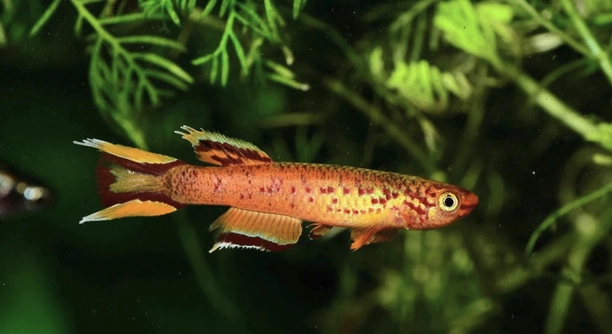
Have you ever kept a small school of killifish but sometimes skipped their feedings when life got too busy or stressful?
Skipping killi feedings regularly can lead to malnutrition, stress, and reduced lifespan. These delicate fish depend on consistent nutrition to support their metabolism, immune system, and natural behaviors in captivity.
Feeding routines play a key role in keeping killifish healthy and active, especially when it comes to their short lifespan and breeding cycles.
Why Consistent Feeding Matters for Killifish
Killifish are small, vibrant fish that thrive on routine. Their bodies are built to process frequent, small meals, and missing feedings can quickly throw off their balance. These fish have high metabolisms and short lifespans, so every day without food can have noticeable effects. While they can survive occasional skips, making it a habit may weaken their immune system and slow their growth. Inconsistent feeding can also lead to aggression, especially if housed with others. Killifish rely on reliable nutrition for both energy and breeding health. A consistent feeding routine helps regulate their digestion and improves their overall condition. Over time, fish that miss too many meals may become lethargic, lose their color, or even stop breeding. This can lead to more stress and shorter lifespans. If you’re trying to keep your killifish healthy and vibrant, making time for regular feeding is one of the most important things you can do.
Missing feedings now and then might not seem like a big deal, but for killifish, it builds up quickly and leads to long-term issues.
These fish are not as hardy as some others and need more care. If they go without food, even for a couple of days, it can begin to affect their health. Their metabolism slows down, which leads to energy loss and poor immune responses. This can also increase the risk of diseases. You may notice your killifish hiding more or acting less active. Over time, they may become too weak to swim properly or even eat when food is available again. Their bright colors can fade, and they may lose interest in mating. Regular feeding isn’t just about avoiding starvation—it’s about keeping their systems running properly every day. If you’re raising fry or breeding adults, the impact of skipped meals is even more serious. Consistency doesn’t have to be complicated, but it does have to be reliable.
What Happens to Killifish When You Miss Feedings
When feedings are skipped, killifish begin to show physical and behavioral changes within just a few days.
They may become sluggish and spend more time hiding. Their colors can dull, and they may show less interest in exploring or eating when food returns. This decline happens faster than many expect because killifish naturally have short lives and quick metabolisms. Missed meals don’t just slow them down—they interrupt their natural rhythms. Over time, frequent gaps in feeding can lead to organ stress and weight loss. These issues are harder to reverse once they appear. In group tanks, hunger can also increase tension and lead to fin nipping or competition. It’s important to understand that the damage from inconsistent feeding isn’t always obvious at first. But gradually, it affects breeding success, immune strength, and overall quality of life. These small fish depend on consistency. Making feeding a regular part of your day helps maintain their health and keeps your tank balanced and peaceful.
How Skipping Feedings Impacts Killifish Behavior
Killifish may start acting differently after just one or two missed feedings. You might notice they’re less active, spending more time near the bottom or corners of the tank. Their usual curiosity and quick movements may begin to fade.
When their feeding schedule is disrupted, killifish become more anxious and unpredictable. Hunger causes stress, and stressed fish often behave in ways that aren’t typical. They may dart suddenly, chase others, or isolate themselves. Some even nip at tankmates, especially in crowded conditions. Over time, this can create a tense environment in the tank. The natural pecking order becomes unbalanced, and more dominant fish may start hoarding space or bullying weaker ones. These shifts in behavior are signs that something’s off—and in most cases, it’s tied to nutrition. A consistent feeding routine brings structure and helps maintain calm interactions between your fish, especially in smaller tanks where space is limited.
Repeated feeding gaps also affect how killifish interact with their surroundings. They may stop exploring or engaging with decorations and hide more often. This isn’t just from low energy—it’s also their way of coping with discomfort. Hunger stresses their bodies, which makes them retreat to feel secure. If this continues, their mental stimulation drops, which can lead to long-term lethargy and lack of response. Their immune system also becomes less efficient under stress, and behavior worsens with each skipped feeding. You might find them ignoring food when it’s finally offered again. That hesitation often signals underlying stress or illness. These changes can be subtle at first, but when noticed early, they’re a clear sign that your feeding routine needs adjusting to keep the tank environment healthy and balanced.
What Happens to Killifish Fry Without Food
Killifish fry are far more sensitive than adults and need food multiple times a day. When feedings are missed, they stop growing properly. Their tiny bodies can’t store energy the way older fish can, so even short fasting periods can set them back quickly.
The earliest stages of life are the most critical for fry. They require consistent nutrition to grow tissues, organs, and their immune systems. Missing just a few feedings can cause stunted development. Some fry may begin to swim poorly or stay near the bottom, too weak to search for food later. This puts them at risk of starvation even when food returns. Others may suffer from bloating or deformities due to uneven intake. These issues don’t always go away and may follow them into adulthood, affecting their appearance and ability to breed. In group settings, weaker fry can be outcompeted for food, which only adds to the problem. A regular feeding plan with small, high-quality meals throughout the day gives fry the best chance to survive and thrive.
How Long Can Killifish Go Without Food
Most healthy adult killifish can go two to three days without food, but it’s not ideal. Their metabolism slows down, and energy levels drop quickly, especially in smaller species or older fish with less fat storage.
Going beyond three days increases stress and weakens their immune system. Over time, it becomes harder for them to bounce back. Repeated long gaps also affect their color, behavior, and lifespan.
Best Way to Prevent Missed Feedings
Setting up a daily reminder or alarm can help build a consistent feeding habit. Automatic feeders are also a helpful backup for short trips or busy days. If you’re away for longer than two days, ask someone to help feed them. Be sure to explain how much to feed, as overfeeding can cause other issues. For fry, it’s best to plan ahead and prepare pre-portioned meals or ask for experienced help. Keeping things simple and steady makes a big difference in their long-term health.
Feeding Options When You’re Busy
Freeze-dried or pellet foods make feeding quicker when time is limited. They’re easy to store and don’t require prep, making them useful on busy days.
FAQ
How often should I feed my killifish?
Adult killifish generally do well with feeding once or twice a day. Fry need more frequent feedings—usually three to four small meals daily. Consistency is important. Feeding at the same times helps regulate their metabolism and behavior. Avoid overfeeding, as leftover food can pollute the water and harm their health.
What happens if I skip feeding my killifish once?
Missing a single feeding isn’t usually harmful for healthy adults. They can survive a day without food by slowing their metabolism. However, skipping meals regularly or for multiple days can cause stress, weaken their immune systems, and reduce their lifespan. It’s best to avoid making this a habit.
Can killifish survive fasting?
Killifish can survive short fasting periods, especially adults. Two to three days without food might be tolerable, but longer fasts risk serious health decline. Fry are much more vulnerable and should never go without food for more than a few hours without careful monitoring.
How can I tell if my killifish is stressed from lack of food?
Signs include lethargy, loss of color, hiding more often, and reduced interest in food when it is offered. Aggressive or unusual behavior, such as chasing tankmates or fin nipping, can also be linked to hunger stress. These signs indicate immediate attention to feeding is needed.
What should I do if I miss a feeding?
If you miss one feeding, resume feeding as soon as possible. Offer small portions to avoid overfeeding. Watch your fish closely for any behavior or health changes in the following days. If skipping feedings becomes frequent, consider using automatic feeders or ask for help from someone reliable.
Is it okay to give my killifish frozen or freeze-dried food?
Yes, frozen and freeze-dried foods are good options and can provide balanced nutrition. Many killifish enjoy bloodworms, daphnia, or brine shrimp in these forms. Make sure to soak freeze-dried foods before feeding to avoid digestive issues. Rotate food types to keep their diet varied and healthy.
Can killifish eat flake or pellet foods?
Killifish can eat small pellets or flakes designed for carnivorous fish. However, many prefer live or frozen foods. Pellets and flakes are convenient and useful as supplements but shouldn’t be the sole diet for best health and coloration.
How do feeding habits affect breeding?
Consistent feeding improves breeding success by keeping killifish healthy and active. Skipped feedings lower energy and reduce mating behavior. Well-fed adults are more likely to spawn regularly and produce healthy eggs. Feeding protein-rich foods encourages strong fry development.
What if I have to leave my killifish alone for several days?
For absences longer than two days, automatic feeders are helpful. Alternatively, have a trusted person feed them. If that’s not possible, feed them larger meals before you leave, but avoid overfeeding. Plan ahead to ensure your fish get consistent nutrition even when you’re away.
Can overfeeding cause problems too?
Yes, overfeeding can pollute the tank, leading to poor water quality and stress for killifish. It can cause obesity and digestive issues. Feed small amounts that they can eat within a few minutes and remove any leftover food promptly to keep the tank clean.
How can I help killifish recover after missed feedings?
Return to a consistent feeding schedule with small, frequent meals. Monitor water quality closely, as stressed fish are more sensitive to poor conditions. Provide a varied diet including live or frozen foods to boost nutrition. Avoid sudden changes in feeding amount or type, and give them time to regain strength.
Final Thoughts
Feeding killifish regularly is important for their health and happiness. These fish have fast metabolisms and short lifespans, so they need consistent nutrition to stay strong and active. Skipping feedings, even occasionally, can cause stress and weaken their bodies over time. It affects their behavior, color, and overall well-being. While missing one feeding is usually not a big problem, making it a habit will likely lead to serious issues. A steady feeding routine helps killifish maintain their energy and immune systems, which is especially important for breeding and growing fry.
It’s also important to pay attention to the quality and type of food you offer. Killifish benefit from a diet that includes live or frozen foods like bloodworms or brine shrimp, but pellets and flakes can be useful for busy days. Providing a variety of foods helps keep them healthy and interested in eating. Overfeeding, however, can cause water problems and make the fish sick, so it’s best to feed small amounts that are eaten quickly. If you know you’ll be away or busy, tools like automatic feeders or help from others can make a big difference in keeping your fish on track.
Overall, caring for killifish means keeping their feeding consistent and balanced. Skipping meals can have negative effects that build up and harm their health. By staying mindful of their needs and feeding them on a regular schedule, you can help your killifish live longer, healthier lives. This simple step plays a big role in maintaining a peaceful tank and supporting your fish’s natural behaviors. With a little planning and attention, you can avoid the common problems that come from skipped feedings and enjoy watching your killifish thrive.

Hello,
If you enjoy the content that we create, please consider saying a "Thank You!" by leaving a tip.
Every little bit helps us continue crafting quality advice that supports the health, happiness, and well-being of pets around the world, for pets of all shapes, sizes, and species.
We really appreciate the kindness and support that you show us!