
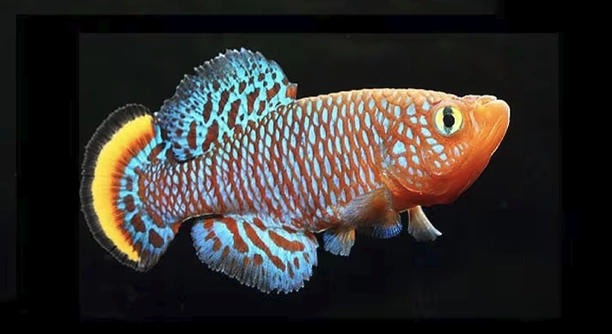
Killi fish are beautiful and colorful, making them a popular choice for home aquariums. Feeding them properly is important to keep them healthy and vibrant. Knowing the right habits helps maintain their well-being in captivity.
The best feeding habits for killi fish include providing a varied diet, feeding small portions multiple times a day, and ensuring food quality. Consistent feeding schedules and avoiding overfeeding are key to promoting their health and longevity.
Learning these habits will help you care for your killi fish effectively. Proper feeding supports their natural behaviors and keeps your aquarium thriving.
Provide a Varied Diet for Killi Fish
Killi fish thrive on a diet that includes different types of food. They enjoy live foods such as brine shrimp, daphnia, and mosquito larvae. These provide essential nutrients and stimulate natural hunting behaviors. In addition to live foods, you can offer frozen or freeze-dried options like bloodworms or tubifex worms. Including a mix of foods ensures your killi fish get balanced nutrition. Avoid feeding only one type of food, as it may lead to nutritional gaps. Vegetables are less important but occasional plant matter can be given. Rotating food types regularly helps keep your fish interested and healthy. Feeding a variety helps mimic their natural diet and supports their immune system. Make sure all food is appropriately sized for their small mouths.
A diverse diet prevents boredom and supports overall health by providing different vitamins and minerals.
Maintaining variety in their meals will keep your killi fish active and vibrant. You’ll notice better coloration and more energetic behavior when their diet includes multiple food sources. Variety also helps prevent digestive issues and boosts their resistance to illness. Ensuring your fish receive a balanced diet is a key part of responsible care.
Feed Small Portions Multiple Times a Day
Feeding your killi fish small amounts multiple times a day helps avoid overfeeding and waste buildup.
Killi fish have fast metabolisms and small stomachs, so offering smaller portions prevents leftover food from polluting the tank. Feed them two to three times daily with amounts they can consume in a few minutes. Overfeeding can lead to poor water quality and health problems like obesity. Consistency in feeding times creates a routine that reduces stress. Measure food carefully, as it’s easy to give too much when feeding multiple times. Leftover food should be removed to maintain clean water. This practice supports a stable environment and healthier fish overall.
Regular small feedings mimic their natural feeding habits and improve digestion. It also encourages natural activity as they search and eat food. Keeping a feeding schedule benefits both the fish and the aquarium ecosystem.
Ensure Food Quality and Freshness
Fresh and high-quality food is essential for your killi fish’s health. Avoid feeding expired or poorly stored food to prevent illness.
Using fresh live or frozen food ensures your fish get necessary nutrients without harmful bacteria or mold. Always check expiration dates on packaged food and store it properly in cool, dry places. Frozen foods should be thawed safely before feeding. Poor-quality food can cause digestive issues and weaken their immune system. Offering fresh, clean food supports growth, coloration, and vitality in your killi fish, reducing the risk of disease.
Rotating fresh foods also helps avoid nutrient deficiencies. By prioritizing quality, you provide a better feeding experience that keeps your fish energetic and healthy. Consistent attention to food freshness contributes greatly to their long-term well-being.
Avoid Overfeeding Your Killi Fish
Overfeeding can harm both your fish and the aquarium environment.
Too much food leads to leftover waste, which degrades water quality and can cause harmful ammonia spikes. This impacts the health of your killi fish and other tank inhabitants. Overfed fish may become obese, showing reduced activity and increased vulnerability to illness. It’s best to feed only what they can consume within a few minutes. Observe their behavior and adjust portions accordingly.
Controlling feeding amounts protects water quality and prevents common health problems. It also helps maintain a balanced ecosystem inside the tank. By feeding responsibly, you support your killi fish’s natural metabolism and overall longevity. Monitoring feeding habits regularly allows you to detect and correct any issues quickly.
Maintain a Consistent Feeding Schedule
Keeping a regular feeding schedule helps your killi fish stay healthy and reduces stress.
Feeding at the same times each day trains your fish and supports their natural rhythms.
Use Proper Food Size
Feeding food that matches your killi fish’s small mouths prevents choking and uneaten leftovers.
Smaller food pieces are easier to digest and encourage natural feeding behaviors.
Remove Uneaten Food Quickly
Leftover food can spoil and pollute the tank water, harming your fish’s environment.
Removing uneaten food promptly helps maintain clean water and prevents harmful bacteria growth.
FAQ
How often should I feed my killi fish?
Killi fish should be fed small portions two to three times a day. This frequency matches their fast metabolism and small stomach size. Feeding too rarely can cause hunger and stress, while feeding too often or in large amounts may lead to water quality problems and health issues.
What types of food are best for killi fish?
Live foods like brine shrimp, daphnia, and mosquito larvae are excellent choices. Frozen or freeze-dried bloodworms and tubifex worms are also good options. Offering a variety of these foods ensures balanced nutrition and keeps your fish interested in their meals.
Can I feed my killi fish flakes or pellets?
While flakes and pellets can be used occasionally, killi fish generally prefer live or frozen foods. Flakes and pellets often lack the nutrients found in live food and may not encourage natural hunting behaviors. If you do use them, choose high-quality products and supplement with live foods.
Is it okay to feed my killi fish plant-based food?
Killi fish are primarily carnivorous, so their diet should mostly consist of protein-rich foods. However, occasional small amounts of plant matter or algae-based foods can be offered but are not essential. Focus on live or frozen animal foods for their main diet.
How do I avoid overfeeding my killi fish?
Feed only what your fish can eat in about two to three minutes. Observe their behavior during feeding and remove any uneaten food promptly. Overfeeding leads to poor water quality and health problems, so measuring portions carefully is important.
What happens if I feed my killi fish too much?
Overfeeding can cause obesity and digestive issues in killi fish. It also creates excess waste in the tank, leading to ammonia and nitrite spikes, which harm fish health. Maintaining proper feeding amounts helps keep your fish and aquarium environment safe.
Can I feed my killi fish live insects from outside?
Feeding wild-caught insects is risky because they may carry parasites, pesticides, or diseases. It’s safer to provide commercially raised live foods or properly frozen alternatives to protect your fish’s health.
How can I tell if my killi fish is getting enough food?
Healthy killi fish remain active, maintain bright colors, and show interest during feeding times. If they seem lethargic, lose color, or constantly hunt for food, you may need to adjust their feeding routine or diet quality.
Should I fast my killi fish occasionally?
Occasional fasting, such as one day per week without food, can help prevent digestive issues and keep your fish healthy. It mimics natural conditions where food may not always be available and helps clear their digestive system.
Is it necessary to change feeding habits based on the season?
In cooler temperatures, killi fish metabolism slows down, so they require less food. During warmer months, their activity increases, and they may need more frequent feeding. Adjust feeding amounts to match their activity levels and water temperature.
What is the best way to introduce new food to my killi fish?
Introduce new food gradually by mixing it with their current diet over several days. This helps your fish adapt to the new taste and texture while preventing digestive upset.
Can overfeeding affect water quality immediately?
Yes, leftover food quickly decomposes and releases harmful substances like ammonia, which can spike water toxicity. This can stress or even kill your fish, so prompt removal of uneaten food is essential.
Do killi fish eat differently at night?
Killi fish are generally diurnal, meaning they feed during the day. Some species may eat less or not at all at night. Adjust feeding schedules to daylight hours to match their natural behavior.
Final Thoughts
Feeding killi fish correctly plays a major role in keeping them healthy and lively. By providing a varied diet that includes live, frozen, and freeze-dried foods, you ensure they receive all the nutrients they need. Variety helps prevent nutritional gaps and keeps your fish interested in their meals. Feeding small portions several times a day mimics their natural habits and avoids overfeeding, which can cause water quality problems and health issues. A consistent feeding schedule also helps reduce stress and supports their natural rhythm. Paying attention to portion size and the freshness of the food is equally important, as poor-quality or expired food can harm their digestive system and weaken their immune response.
Proper feeding is also closely connected to maintaining a clean and balanced aquarium environment. Leftover food that is not removed quickly decomposes and pollutes the water, leading to unhealthy conditions for your fish. This can result in ammonia spikes and other harmful substances that stress your killi fish or cause disease. Feeding only what your fish can consume within a few minutes, combined with prompt removal of uneaten food, protects water quality and supports the entire tank’s health. Remember that killi fish are sensitive to their environment, so good water quality and proper feeding habits go hand in hand to ensure they thrive.
Overall, caring for killi fish requires attention to detail and consistency. Understanding their dietary needs and natural behaviors helps you create a routine that promotes their health and longevity. By following the best feeding habits, you support their growth, coloration, and activity levels. These small daily actions contribute to a happy, vibrant aquarium where your killi fish can flourish. Feeding your fish well is one of the simplest but most important parts of fish care, and it will reward you with a lively and beautiful tank.

Hello,
If you enjoy the content that we create, please consider saying a "Thank You!" by leaving a tip.
Every little bit helps us continue crafting quality advice that supports the health, happiness, and well-being of pets around the world, for pets of all shapes, sizes, and species.
We really appreciate the kindness and support that you show us!