
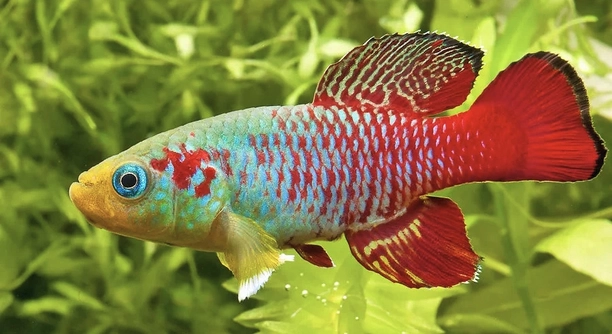
Have you ever brought home a pair of colorful killifish only to wonder if you really need a lid on their tank?
Killifish are known jumpers and can easily escape from open aquariums. For their safety, a secure lid is highly recommended to prevent accidental injuries or loss.
Understanding how killifish behave in different tank setups can help you create a safer, more stable environment for them at home.
Why Killifish Tanks Need Lids
Killifish are active swimmers and often explore the surface of the water. In the wild, some species live in shallow pools and have developed strong jumping instincts to escape predators or search for better spots. In home aquariums, this natural behavior can lead to accidents if the tank is left uncovered. Even a small opening can be enough for a killifish to leap through. A well-fitted lid keeps them safe, reduces water evaporation, and helps maintain stable tank conditions. Without a lid, you also risk dust, insects, or other debris entering the water, which can affect water quality over time. While some people have kept killifish without lids successfully, the risk is always present. These fish are quick and unpredictable. Adding a secure cover is one of the simplest ways to protect them. It’s not just about keeping them inside the tank — it’s about creating a safer, cleaner environment overall.
A lid also helps reduce noise and stress levels for the fish by providing a sense of enclosure and stability.
Many killifish species are startled easily. If they’re frightened, they might jump straight out of the water. Lids act as a barrier to keep that from happening. Even fish that seem calm can react suddenly to small movements or sounds near the tank. This is especially important in households with children, pets, or frequent foot traffic. Transparent lids or mesh covers allow light and air to pass while still providing the protection needed. Acrylic and glass lids are popular because they’re sturdy and easy to clean. For added security, make sure filters, cords, or other equipment don’t leave open gaps around the edges. Keep in mind that not all lids are one-size-fits-all — it’s worth checking dimensions carefully to ensure a snug fit. Taking these precautions not only prevents escape but also gives you peace of mind every time you walk away from the tank.
When a Lid Might Not Be Necessary
Some people keep killifish in very shallow, species-only tanks with floating plants and no strong currents.
In rare cases, when the tank is very shallow and heavily planted, some aquarists have kept killifish without a lid. These setups usually mimic temporary pools and include thick surface cover like duckweed or water lettuce, which discourages jumping. However, even in these conditions, the risk of escape is not zero. Calm environments may reduce the chance of jumping, but there’s no guarantee. Certain species are more prone to leaping than others, and individual behavior varies. Also, without a lid, water can evaporate quickly, especially in warmer rooms, requiring more frequent top-offs. If you still choose to go lidless, it’s important to monitor the fish closely and keep the tank in a low-traffic, quiet area. A covered tank remains the safest choice for most home setups. While it’s possible to experiment, doing so comes with higher maintenance and risk.
What to Use as a Lid for Killifish Tanks
Glass lids, acrylic covers, and mesh screens are common choices. Each has its pros and cons, depending on your setup. The key is to choose something that fully covers the top without large gaps along the edges or around the equipment.
Glass lids are heavy, durable, and easy to clean. They keep water from evaporating too quickly and help maintain temperature. However, they may trap heat and limit gas exchange if the tank isn’t properly ventilated. Acrylic lids are lighter and less likely to shatter, but they can warp over time if exposed to strong lighting or heat. Mesh screens allow more airflow, which is great for planted tanks or in warm rooms, but they offer less insulation. Whichever material you choose, make sure it fits securely and allows room for filters, heaters, or air tubing. Covering all openings is important since killifish can squeeze through surprisingly small spaces.
Pre-made lids are convenient, but many people build custom covers to fit unusual tank sizes or layouts. DIY options often use plastic canvas, egg crate, or window screen frames. These can be adapted to different shapes and provide plenty of airflow. Just be sure to use non-toxic materials and avoid sharp edges. Custom lids let you place lighting exactly where you want it and work around hang-on-back filters or sponge filters more easily. Even a basic cover can prevent accidents. It’s better to take the time to make something solid than to deal with a fish jumping out. Once you’ve seen how curious and fast killifish are, it’s clear that an uncovered tank is a gamble.
Common Mistakes to Avoid
Leaving small gaps near filters or light fixtures is one of the most common mistakes. Killifish often aim for corners or open spots when jumping.
Many people assume a partially covered tank is enough. But even a one-inch gap can be all it takes for a killifish to escape. When using a lid, check every section for openings — especially around filter intakes, tubing, or heater cords. Another mistake is waiting too long to cover a new tank. Some assume the fish will settle in first, but jumping often happens when fish are stressed or still adjusting. Skipping the lid during water changes or cleaning also puts them at risk. If you need to remove it, keep a close eye on your fish the entire time. It’s also easy to forget about evaporation. Without a proper lid, you’ll need to top off the tank more often to avoid unstable water parameters. Little oversights like these can have big consequences.
How Behavior Changes With or Without a Lid
Killifish in lidded tanks tend to be calmer and less reactive to sudden movement or noise. The lid acts like a shield, softening light and reducing reflections that might otherwise trigger jumping behavior.
Without a lid, they’re more likely to stay near the bottom or hide among plants. Open tanks can make them feel exposed, and sudden movement outside the glass may cause panic.
Signs Your Killifish May Try to Jump
Restless swimming near the surface, darting back and forth, or sudden bursts of energy can all be signs of stress or discomfort. Killifish often jump when startled or chasing food. If your fish show this kind of behavior often, it’s safer to keep the tank tightly covered. Pay extra attention after water changes, new additions, or sudden light changes — these moments often trigger jumping attempts. Floating plants can help reduce activity near the surface, but they’re not enough on their own. Even when calm, killifish can surprise you with a sudden leap, especially in the early morning or evening.
Final Thoughts on Tank Safety
A proper lid takes little effort but goes a long way in keeping your killifish safe, calm, and healthy.
Can killifish survive without a lid?
Killifish can survive without a lid, but it’s risky. They are natural jumpers and may leap out of an uncovered tank, leading to injury or death. Without a lid, you also risk water evaporation and contamination from dust or debris. While some hobbyists manage lidless setups with dense floating plants or shallow water, most killifish keepers recommend a secure lid for safety and tank stability.
What kind of lid is best for killifish tanks?
The best lids fit securely without gaps and allow good airflow. Glass and acrylic lids keep water from evaporating and help maintain temperature but can limit air circulation. Mesh or screen lids promote ventilation but may need more frequent cleaning and don’t reduce evaporation as well. Many people build custom lids using plastic canvas or egg crate materials to fit their tank size and equipment. The key is a solid fit that prevents escapes while accommodating filters, heaters, and lighting.
Can floating plants replace a lid?
Floating plants can reduce light and give killifish places to hide near the surface, which may lower jumping behavior. However, they do not replace a lid because killifish can still jump through or around the plants. Floating plants help, but the safest option is always a secure lid to physically prevent escapes and accidents.
Is it okay to remove the lid for cleaning or feeding?
Removing the lid briefly for cleaning or feeding is fine if you watch the fish closely. Killifish are quick and can jump unexpectedly, especially when startled or excited. Always return the lid as soon as possible and keep movements near the tank calm during these times to avoid sudden jumps.
Do all killifish species jump?
Not all killifish jump equally, but many species have strong jumping instincts. Some species like Fundulopanchax or Aphyosemion are more prone to jumping, while others may be calmer. Individual behavior also varies, so even if your species is less jumpy, a lid is still recommended for safety.
How can I reduce the chance of killifish jumping?
Besides using a lid, provide plenty of hiding spots and floating plants to help fish feel secure. Keep lighting soft and avoid sudden movements or loud noises near the tank. Feeding small amounts frequently may also reduce frantic behavior. Calm water flow helps too, as strong currents can stress fish and encourage jumping.
What happens if a killifish jumps out?
If a killifish jumps out, it can quickly dry out and suffer fatal injuries. If you find a fish outside the tank, gently place it back into the water as soon as possible and watch for signs of stress or damage. Keep in mind that jumping injuries often lead to infections or long-term health problems, so prevention with a lid is best.
Can lids affect water temperature?
Yes, lids can affect water temperature. Glass or acrylic lids trap heat, which can raise tank temperature, especially under strong lighting or in warm rooms. Mesh lids allow more airflow and help regulate temperature better but don’t reduce evaporation as well. Monitor temperature regularly and adjust heating or cooling as needed when using lids.
Are DIY lids safe for killifish?
DIY lids can be safe if made with non-toxic materials and built to fit tightly without sharp edges. Materials like plastic canvas, egg crate, or window screens are popular. Make sure any adhesives or paints used are aquarium-safe. A well-made DIY lid can work just as well as commercial options and be customized to fit your tank and equipment needs.
How often should I check the lid?
Regularly inspect your lid for gaps, warping, or damage, especially around equipment openings. Even small spaces can allow killifish to escape. Check the fit after cleaning or moving the tank. It’s good practice to verify the lid is secure every few days to ensure your fish remain safe.
Keeping killifish safe and healthy requires some simple precautions, and having a proper lid on their tank is one of the most important. Killifish are known for their jumping ability, which means they can easily escape from an open aquarium. This can lead to injuries or even death if they land outside the water. A secure lid helps prevent these accidents and keeps the fish inside the tank where they belong. It also reduces water evaporation and helps maintain stable water conditions, which is good for the fish’s overall health.
Choosing the right lid depends on your tank setup and your fish’s needs. Glass or acrylic lids work well to keep water in and provide a solid cover. They also make it easier to control the temperature inside the tank. Mesh or screen lids offer better airflow and are a good choice for tanks with lots of plants or if you live in a warm climate. No matter what kind of lid you choose, it’s important to make sure it fits well and doesn’t have any gaps where fish could escape. Checking the lid regularly and adjusting it if needed is a good habit to keep your killifish safe.
Even if you have a tank without a lid for a short time, such as during cleaning or feeding, it’s important to be careful and watch your fish closely. Killifish can be quick and unpredictable, especially if they are stressed or excited. Providing hiding spots and floating plants can help them feel secure and less likely to jump. Overall, using a lid is the simplest and most effective way to protect your killifish. Taking this small step makes a big difference in their safety, comfort, and well-being.

Hello,
If you enjoy the content that we create, please consider saying a "Thank You!" by leaving a tip.
Every little bit helps us continue crafting quality advice that supports the health, happiness, and well-being of pets around the world, for pets of all shapes, sizes, and species.
We really appreciate the kindness and support that you show us!