
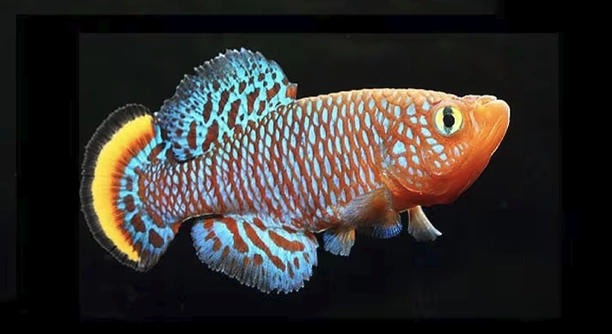
Do you ever find yourself wondering if it’s safe or even possible to hand-feed your killi fish at home?
Killi fish can be hand-fed, but it requires patience and a calm approach. They are naturally shy, so consistent interaction and safe food choices are important. Over time, they may become comfortable enough to eat from your hand.
Learning how to safely introduce hand-feeding can help improve your bond with your killi fish while supporting their overall comfort and well-being.
Understanding Killi Fish Behavior
Killi fish are small, active fish known for their vibrant colors and short lifespans. They can be shy at first, especially in new environments or when introduced to unfamiliar routines. Their behavior often depends on their surroundings, tank mates, and daily interactions. Most killi fish prefer to hide or explore on their own terms, which makes them more cautious around sudden movements or new stimuli. To get them comfortable with hand-feeding, you’ll need to build trust over time. Creating a calm space with minimal stress and offering food at consistent times can help them adjust. Using slow, smooth hand motions near the tank while holding food encourages them to associate your presence with something safe.
Killi fish need time to become familiar with your movements before they’ll approach your hand. Keeping their environment stable helps reduce stress and makes bonding much easier.
A gentle approach, consistent feeding habits, and quiet surroundings create the best setting for encouraging hand-feeding with killi fish.
Safe Foods and Feeding Tips
Killi fish enjoy a variety of live and frozen foods that mimic their natural diet.
Live or frozen options like daphnia, brine shrimp, or bloodworms work well for hand-feeding because they are easy to grasp and highly appealing to killi fish. Start by placing the food near the water’s surface using feeding tongs or your fingers, slowly introducing it into the water. Avoid loud noises or sudden motions during this time. Once they start recognizing your hand as part of the feeding process, they may begin to approach more readily. Never overfeed or introduce unfamiliar foods too quickly. Stick to small portions, feed once or twice daily, and monitor their interest and health. If the fish show signs of stress, like darting away or hiding, pause the hand-feeding efforts and try again later. With patience and calm interaction, killi fish may learn to accept food directly from your hand over time.
Building Trust Through Routine
Routine plays a key role in helping killi fish feel safe. Feeding them at the same time each day helps them recognize you and feel more at ease.
Stick to a consistent schedule by feeding your killi fish in a quiet space at the same time every day. Approach the tank slowly, and keep your movements steady while offering food. Over time, they will begin to associate your presence with something positive. You can start by letting the food float near the water’s surface, then gradually hold the food closer with your fingers. Watch for any signs of fear or discomfort, and pull back if needed. Trust-building is a slow process, but consistency and calmness will make a difference. Over several days or weeks, you’ll likely notice your fish becoming more curious and confident.
Hand-feeding success depends on patience. Avoid switching up the routine or introducing unfamiliar stimuli during feeding. Limit distractions, speak softly if needed, and always maintain a calm posture near the tank. Killi fish are observant and respond best when they feel secure. Repeating these small, predictable actions builds their confidence over time. Even if progress is slow, regular exposure and positive reinforcement are the best ways to make them comfortable enough to feed from your hand.
Signs Your Killi Fish Is Ready
Killi fish will start hovering closer to the water’s surface when they’re ready to interact. They may show more interest during feeding time and swim toward your hand without darting away.
You might also notice your fish waiting in the same area each time you approach the tank. This behavior often means they’re beginning to recognize you and associate your presence with food. A relaxed posture, slow swimming near your fingers, or gently taking food from your hand are all good signs. Avoid pushing them too fast, and continue reinforcing their comfort with small steps. If they retreat, it’s okay to pause and try again later. Giving them space while staying consistent will help them grow more comfortable. Gradual progress is normal, and each fish moves at its own pace. Watching these changes helps you know when hand-feeding becomes a positive part of their daily routine.
Common Mistakes to Avoid
Moving too quickly can scare killi fish. Sudden attempts at hand-feeding without building trust may lead them to hide or ignore food completely.
Feeding too often or offering large portions can cause stress or water quality issues. Keep portions small and remove uneaten food to maintain a clean environment.
What to Do if They Refuse
If your killi fish refuses hand-feeding, go back to regular feeding near the surface using tongs or floating food. Reduce any outside noise or movement and watch how they react. Patience is key. Let them observe your hand from a distance, and try again after a few days. Keep the experience stress-free. Over time, some killi fish will accept food from your hand, while others may always prefer distance. Respect their pace and comfort levels. Some may take longer to adjust, and that’s perfectly fine. Continue offering consistent care, and let their behavior guide your next steps.
Final Feeding Tips
Always wash your hands before feeding to avoid introducing any harmful residue into the tank. Keep the feeding area calm and distraction-free.
FAQ
Can all types of killi fish be hand-fed?
Most killi fish species can be hand-fed, but success depends on their temperament and environment. Some species are naturally more shy or aggressive, which can make hand-feeding more challenging. It’s important to observe your specific fish and adjust your approach accordingly. Patience and consistency are essential regardless of the species.
How long does it take for killi fish to accept hand-feeding?
The time varies widely. Some killi fish may start accepting food from your hand within a week, while others may take several weeks or even months. It depends on the fish’s personality, how often you interact, and the environment’s calmness. Rushing the process can cause stress and setbacks.
What foods are best for hand-feeding killi fish?
Live or frozen foods such as brine shrimp, bloodworms, and daphnia are ideal. These foods are easy for the fish to catch and hold onto. Avoid flakes or pellets for hand-feeding because they tend to sink quickly and are harder to manage near your hand. Small, live foods attract killi fish more effectively.
Is hand-feeding safe for killi fish?
Yes, if done carefully. Hand-feeding should never cause stress or harm. Always wash your hands before feeding to prevent chemicals or residues from entering the tank. Feeding should be gentle and slow. If the fish shows signs of fear or stress, stop and give them time to calm down.
Can hand-feeding improve the bond between owner and fish?
Hand-feeding can enhance your connection by encouraging the fish to recognize and trust you. It increases interaction and helps reduce their natural shyness. However, every fish is different, and some may never fully accept food from your hand. Respecting their comfort levels is part of building trust.
What if my killi fish never accepts hand-feeding?
Not all killi fish will accept hand-feeding, and that’s okay. Some prefer to feed from the water or decorations. Continue offering food in the tank and maintain a calm environment. Focus on providing proper care and nutrition rather than forcing hand-feeding. Your fish’s health and comfort come first.
How often should I attempt hand-feeding?
Try hand-feeding once or twice a day, ideally during regular feeding times. Avoid excessive attempts, which can stress the fish. Consistency is more important than frequency. Give them space between attempts to build positive associations with your hand.
Can hand-feeding cause any health issues?
Hand-feeding itself is not harmful if done correctly. The main risks come from poor hygiene, overfeeding, or feeding inappropriate foods. Always keep food portions small and remove any uneaten food promptly to avoid water quality problems that could affect your fish’s health.
Should I use gloves when hand-feeding?
It’s better to use clean, bare hands. Gloves may frighten the fish or interfere with your ability to offer food naturally. Washing your hands thoroughly before feeding is the safest way to protect your fish and keep the tank clean.
What signs show my killi fish is stressed during feeding?
Signs include darting away quickly, hiding more than usual, or refusing food altogether. If you notice these behaviors, pause hand-feeding efforts and give your fish time to relax. Reducing noise and movement around the tank also helps lower stress.
Can I train multiple killi fish to feed from my hand?
Training several fish at once is more difficult, as some may become competitive or shy. It’s best to start with one or two fish, then gradually include others if they respond well. Monitor their behavior closely to prevent aggression or stress during feeding.
Does tank setup affect hand-feeding success?
Yes, a well-maintained, quiet, and clutter-free tank supports hand-feeding. Dense plants or hiding spots may make fish less likely to approach your hand. Keeping the tank clean with stable water parameters creates a stress-free environment where fish feel safe enough to interact.
How do I handle a fish that bites my finger?
Killi fish generally do not bite aggressively. If they nip, it is likely accidental while trying to get food. Gently withdraw your hand without sudden movements. Avoid reacting abruptly, which may frighten them. If biting persists, check that you’re offering appropriate food sizes.
Can hand-feeding encourage fish to come closer during other interactions?
Yes, regular hand-feeding can increase fish comfort around you, leading them to swim closer during maintenance or observation. Building trust through feeding creates a positive relationship, making daily tank care easier and more enjoyable for both owner and fish.
Hand-feeding killi fish is possible, but it requires patience and gentle care. These fish are naturally shy and cautious, so building trust takes time. Moving slowly, keeping a consistent feeding schedule, and offering familiar live or frozen foods will help them become more comfortable with your hand. It’s important to respect their pace and avoid rushing the process, as stress can set back progress. Many killi fish will eventually approach and even take food directly from your fingers, but some may prefer to keep their distance. Understanding and accepting their behavior is part of providing good care.
Creating a calm environment is key to success. Loud noises, sudden movements, or an overcrowded tank can make your killi fish anxious and less likely to interact during feeding. Keeping the tank clean and stable also supports their well-being. Washing your hands before feeding prevents harmful residues from affecting the water quality or the fish. Small food portions, given consistently at the same times, encourage routine and reduce stress. If your fish do not respond immediately, it is best to pause and try again later rather than forcing them.
Overall, hand-feeding can improve your connection with killi fish by encouraging them to recognize and trust you. Even if they never fully accept food from your hand, the effort helps create a positive environment where they feel safe. Focusing on their health, comfort, and natural behavior ensures you provide the best care possible. With patience and calm interaction, hand-feeding can become a rewarding part of keeping killi fish and adds a special dimension to your relationship with these small, colorful creatures.

Hello,
If you enjoy the content that we create, please consider saying a "Thank You!" by leaving a tip.
Every little bit helps us continue crafting quality advice that supports the health, happiness, and well-being of pets around the world, for pets of all shapes, sizes, and species.
We really appreciate the kindness and support that you show us!