
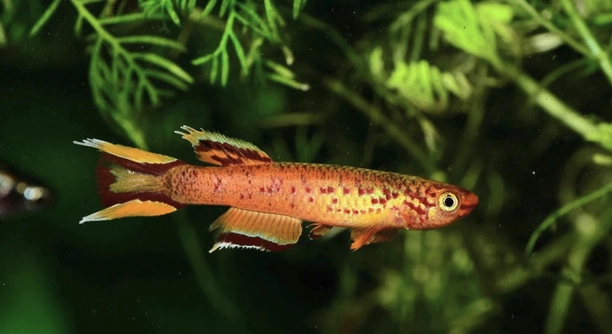
Aggressive killifish can be a challenge for many aquarium enthusiasts. Their bold behavior sometimes leads to fights and stress among tank mates. Managing their temperament is important for maintaining a peaceful and healthy aquatic environment.
Handling aggressive killifish involves providing ample space, hiding spots, and carefully selecting compatible tank mates. Regular monitoring of their behavior and timely intervention can reduce conflicts and promote coexistence within the aquarium.
Knowing how to manage their aggression will improve your tank’s harmony and help your killifish thrive in a balanced setting.
Understanding Killifish Aggression
Killifish are known for their vibrant colors and unique patterns, but their behavior can sometimes be aggressive. This aggression usually stems from territorial instincts, especially among males. In small or overcrowded tanks, these tendencies become more pronounced. Providing enough space is crucial to minimize confrontations. Each killifish needs its own area to feel secure, reducing stress and fights. Adding plenty of hiding spots with plants and decorations helps break the line of sight between fish, which lowers aggression. Observing your killifish closely will give clues about when they are stressed or aggressive. Early intervention by rearranging the tank or separating fish can prevent serious injuries. Balancing their environment encourages calmer interactions, improving the overall health of the aquarium.
Aggression in killifish is natural but manageable. Proper tank setup and careful observation are key to reducing conflict.
With a well-planned tank, you can keep your killifish safe and reduce stress for all inhabitants, making your aquarium a peaceful place.
Choosing Compatible Tank Mates
Selecting the right tank mates is essential when keeping aggressive killifish. Fish that are too passive may become targets, while overly aggressive species can increase tension. It’s best to choose peaceful, fast-swimming fish that occupy different areas of the tank. Avoid slow-moving or long-finned species, as they are more vulnerable to attacks. Snails and shrimp can sometimes coexist but require monitoring, as killifish may see them as food. Introducing new tank mates slowly and watching interactions closely will help maintain balance. Sometimes, keeping killifish alone or in species-specific tanks is the safest choice to avoid stress and injuries. The goal is to create a community where fish can thrive without constant fighting.
Proper tank mate selection reduces aggression and promotes harmony in your aquarium.
Careful planning and patience in introducing fish lead to a stable, peaceful aquatic environment.
Tank Setup Tips for Aggressive Killifish
Providing the right environment is key to managing aggression. Use a spacious tank with plenty of plants and hiding spots to break lines of sight. Avoid overcrowding to reduce territorial disputes. A well-structured tank calms fish and promotes natural behavior.
Plants such as Java fern and Anubias create natural barriers without cluttering the space. Floating plants help diffuse light and add cover. Arrange decorations to create separate zones where fish can claim territory. A gentle filter flow is best, as strong currents may stress killifish. Maintaining stable water parameters also supports their health and behavior.
Regular tank maintenance and cleaning prevent stress caused by poor water quality. Keeping the environment stable helps reduce aggressive outbreaks and supports the well-being of all tank inhabitants.
Feeding and Behavior Management
Feed killifish a balanced diet rich in live or frozen foods like bloodworms and brine shrimp. This keeps them healthy and reduces stress-related aggression. Avoid overfeeding, which can worsen water quality and lead to conflict. Feeding in different tank areas spreads the fish out and lessens competition.
Establish a consistent feeding schedule to create routine and reduce anxiety. Observing fish during feeding can reveal signs of aggression or illness. If aggression spikes, consider temporarily separating aggressive individuals. Using dim lighting during feeding may also calm the fish. Behavioral changes often signal environmental issues, so adjust conditions as needed to maintain peace.
Controlling diet and feeding habits is an effective way to support calm behavior and overall tank harmony.
Recognizing Signs of Aggression
Aggressive killifish often display chasing, fin nipping, or flaring fins. Frequent attacks can lead to injuries or stress. Early detection helps prevent serious harm.
If you notice one fish constantly bullying others, it may need to be separated. Watch for changes in behavior that indicate rising tension.
Separating Aggressive Killifish
Separating aggressive individuals quickly can save your tank from chaos. Use a divider or temporary quarantine tank to reduce stress on others.
This separation allows aggressive fish to calm down and helps maintain peace. Keep an eye on interactions once reintroduced, and adjust as needed to avoid further conflict.
Water Quality Importance
Maintaining clean, stable water conditions is vital. Poor water quality increases stress and aggression. Regular testing and water changes support a healthy environment.
Healthy water keeps killifish calm and reduces the risk of disease, creating a more peaceful aquarium overall.
FAQ
How can I tell if my killifish is being too aggressive?
Signs of aggression include chasing other fish constantly, biting fins, and flaring fins to intimidate. You may notice torn fins or visible injuries on other tank mates. If one killifish dominates feeding or territory without pause, aggression is likely a problem. Monitoring behavior regularly helps catch these early.
What size tank is best for aggressive killifish?
A minimum of 20 gallons is recommended for a small group to provide enough space and reduce territorial fights. Larger tanks allow for natural boundaries between fish, which helps minimize aggression. Overcrowding in smaller tanks often leads to stress and constant fighting.
Can killifish live with other species?
Yes, but tank mates must be chosen carefully. Fast, peaceful fish that stay in different parts of the tank work best. Avoid slow-moving or long-finned species, as they are vulnerable to attack. Sometimes, keeping killifish alone is safest if aggression is severe.
How often should I feed aggressive killifish?
Feed small amounts two to three times daily. Regular feeding helps keep them healthy and reduces stress, which can lower aggression. Avoid overfeeding, as leftover food harms water quality and may increase tension among fish.
What should I do if one killifish is bullying the others?
Separating the aggressive fish is often necessary. Use a tank divider or quarantine tank to prevent injuries. After a cooling-off period, try reintroducing carefully while monitoring behavior closely. If aggression continues, permanent separation might be required.
Are hiding spots really that important?
Yes. Hiding spots break up the line of sight, which lowers aggression by giving fish places to retreat. Dense plants, caves, and decorations create territories and reduce stress. Without enough cover, fish feel exposed and may become more aggressive.
Does water quality affect aggression?
Poor water quality raises stress levels, which can increase aggression in killifish. Regular water changes and stable parameters help keep fish calm and healthy. Testing water for ammonia, nitrites, and nitrates should be done weekly.
Can lighting affect killifish behavior?
Bright, harsh lighting can stress killifish and make them more aggressive. Using dimmer or diffused lighting helps create a calmer environment. Floating plants or shaded areas provide refuge from intense light.
Is it normal for male killifish to fight?
Yes, male killifish are naturally territorial and more prone to fighting than females. Providing enough space and hiding places helps, but some aggression is expected. Keeping only one male or a ratio of multiple females reduces conflict.
What live foods are best for killifish?
Bloodworms, brine shrimp, and daphnia are excellent choices. These foods mimic their natural diet and keep them healthy. Offering a varied diet supports their immune system and reduces stress-related aggression.
How can I reduce aggression during feeding?
Feed in multiple spots to spread out the fish and avoid competition. Use small portions to prevent food fights. Feeding at the same time daily establishes routine and reduces anxiety that may lead to aggression.
Should I rearrange the tank if aggression increases?
Yes, changing the tank layout can disrupt established territories and reduce aggression. Moving plants or decorations forces fish to reestablish boundaries, which may lower tension. Avoid doing this too often, as frequent changes can cause stress.
Can aggressive killifish be trained or conditioned?
Killifish behavior is mostly instinctive, so they cannot be trained like mammals. However, consistent care, feeding routines, and proper tank conditions can reduce stress and aggressive behavior over time.
What are the risks of ignoring aggression in killifish?
Ignoring aggression leads to injured or stressed fish, which can cause illness or death. It also creates an unhealthy tank environment. Prompt action is necessary to protect all inhabitants and maintain a balanced aquarium.
Are there specific killifish species that are less aggressive?
Yes, some species like Aphyosemion australe are more peaceful than others. Researching species behavior before purchasing helps avoid aggression problems. Choosing calmer species makes managing a community tank easier.
How do I handle aggression during breeding?
Male killifish become more aggressive during breeding season. Providing separate breeding tanks or plenty of hiding spaces helps protect females. Monitoring behavior closely during this time prevents serious fights.
Can water temperature influence aggression?
Higher water temperatures can increase metabolism and activity levels, sometimes raising aggression. Keeping the tank within recommended temperature ranges for your killifish species supports calmer behavior.
Is it okay to keep only one killifish to avoid aggression?
While possible, killifish often benefit from social interaction. Keeping a single fish may reduce aggression but can also lead to boredom or stress. If housing one, ensure plenty of stimulation and environmental enrichment.
What should I do if aggression suddenly spikes without clear cause?
Check water quality and recent changes in the tank. Sudden spikes often indicate stress from environmental issues. Temporary separation and tank rearrangement can help calm the fish while you address problems.
How long does it take for killifish to settle in and reduce aggression?
It varies by individual and tank conditions but generally takes a few weeks. Providing space, hiding spots, and a stable environment accelerates settling. Patience is important during this adjustment period.
Managing aggressive killifish requires attention to their natural behavior and tank conditions. These fish are known for their boldness and territorial nature, especially males. It is important to provide enough space in the aquarium so they do not feel crowded. Overcrowding often leads to fights and stress. Adding plenty of hiding spots such as plants and decorations helps create boundaries and reduces direct confrontations. When killifish have their own spaces to claim, aggression tends to decrease. Observing their behavior regularly allows for early detection of problems and quick action to prevent injuries.
Choosing the right tank mates is another important factor in handling aggression. Killifish do better with peaceful and fast-moving species that occupy different parts of the tank. Slow or long-finned fish may become targets and increase tension. Sometimes keeping killifish in a species-only tank is the best way to avoid conflict. Feeding habits also play a role in managing aggression. Offering food multiple times a day in separate areas helps reduce competition. Overfeeding should be avoided since leftover food can harm water quality and cause stress. Maintaining stable water parameters and clean conditions keeps killifish healthy and calm.
Aggression in killifish is a natural part of their behavior but it can be managed with the right care. Tank setup, proper feeding, compatible companions, and good water quality all contribute to a peaceful aquarium. When aggression rises, separating aggressive individuals temporarily or rearranging the tank can restore balance. Understanding and responding to the needs of these fish creates a better environment for everyone. With patience and consistent care, aggressive killifish can live in harmony with their tank mates, making the aquarium a more enjoyable space to observe and care for.

Hello,
If you enjoy the content that we create, please consider saying a "Thank You!" by leaving a tip.
Every little bit helps us continue crafting quality advice that supports the health, happiness, and well-being of pets around the world, for pets of all shapes, sizes, and species.
We really appreciate the kindness and support that you show us!