
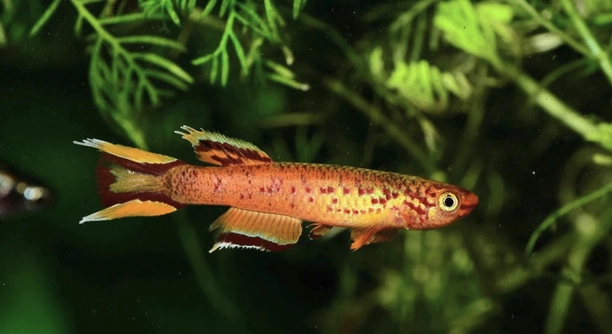
Cloudy eyes in killi fish can be a worrying sign for many hobbyists. This common issue often signals underlying health or environmental problems affecting the fish’s well-being. Recognizing the causes early can help prevent serious complications.
The primary causes of cloudy eyes in killi fish include poor water quality, bacterial or fungal infections, physical injury, and nutritional deficiencies. Each factor can impair eye clarity and overall fish health, requiring prompt attention to maintain a healthy aquarium environment.
Understanding what causes cloudy eyes will help you take better care of your killi fish. This article explains the main reasons and offers guidance for maintaining clear, healthy eyes in your aquatic pets.
Causes of Cloudy Eyes in Killi Fish
Cloudy eyes in killi fish often stem from water quality issues. High ammonia, nitrite, or nitrate levels can irritate their eyes and cause cloudiness. Poor filtration or infrequent water changes worsen these conditions. Bacterial or fungal infections also contribute to this problem. These infections can enter through minor injuries or weakened immune systems. Physical damage to the eyes from rough decorations or aggressive tank mates can lead to cloudiness as well. Lastly, nutritional deficiencies, especially a lack of vitamins like vitamin A, can affect eye health. Regular water testing, gentle tank cleaning, and a balanced diet help prevent these problems. Monitoring your fish closely will allow you to notice changes early and address the root causes effectively.
Infections and injuries require prompt treatment to prevent permanent damage to the eyes. Using appropriate medications and maintaining good tank conditions are essential.
By addressing water quality, injury prevention, and nutrition, you can keep your killi fish’s eyes clear and healthy.
Preventing Cloudy Eyes in Killi Fish
Maintaining stable and clean water conditions is vital for preventing cloudy eyes. Consistent water changes and proper filtration are key.
Regular water testing helps identify harmful chemicals before they reach dangerous levels. Avoid overcrowding the tank to reduce stress and injury risks. Choose tank decorations carefully to prevent eye damage from sharp or rough surfaces. Feeding a varied diet rich in vitamins supports overall health and immunity. When signs of cloudy eyes appear, isolate the affected fish and begin treatment quickly to avoid spreading infection. Taking these steps ensures a healthy environment where your killi fish can thrive without eye problems. Consistency in tank care is the best way to prevent eye issues and keep your fish looking clear and healthy for the long term.
Treating Cloudy Eyes in Killi Fish
Treating cloudy eyes starts with improving water quality. Clean, stable water helps reduce stress and fight infections. Medications may be necessary if bacteria or fungus are involved.
First, test the water for ammonia, nitrite, and nitrate levels. Perform partial water changes to lower toxins. Use a reliable water conditioner to remove harmful substances. If infection is suspected, antibacterial or antifungal treatments should be applied as directed. Be sure to isolate the affected fish to prevent spreading disease. Observe the fish closely during treatment, adjusting care as needed. Treatment may take several days but is essential for recovery.
Additionally, adjust the fish’s diet to include vitamins and nutrients that support eye health. Avoid overcrowding the tank to reduce stress and prevent injuries. With proper treatment and care, cloudy eyes can often clear up without lasting damage.
When to Consult a Specialist
If cloudy eyes persist despite treatment, professional help may be needed. A fish health specialist can diagnose and recommend advanced care.
Persistent symptoms may indicate deeper health issues or resistant infections. Specialists can provide precise diagnoses and stronger medications unavailable over the counter. They may also suggest water testing services to detect hidden problems. Consulting an expert ensures proper treatment and improves the chances of recovery. Don’t delay seeking advice if your fish’s condition worsens or fails to improve, as timely intervention is critical for successful healing and maintaining a healthy aquarium environment.
Monitoring Your Killi Fish Regularly
Regular observation helps catch cloudy eyes early. Look for changes in eye appearance and behavior. Early detection allows quick action.
Keep a log of any symptoms or water condition changes. This record helps track progress and identify recurring issues. Consistency in monitoring improves fish care.
Common Mistakes to Avoid
Overfeeding can worsen water quality and cause health issues. Avoid overcrowding the tank, as it stresses fish and raises infection risks. Neglecting water tests leads to unnoticed problems. Proper tank maintenance prevents many causes of cloudy eyes.
Role of Diet in Eye Health
A balanced diet supports strong immune function and eye clarity. Include foods rich in vitamins A, C, and E. These nutrients help repair tissue and protect against infections. Supplementing with quality flakes or live foods benefits your killi fish’s overall health.
Importance of Tank Environment
A clean and safe tank environment prevents injuries and infections. Regular cleaning and safe decorations reduce risks. Proper lighting and stable temperature promote healthy fish and clear eyes.
FAQ
What causes cloudy eyes in killi fish?
Cloudy eyes usually result from poor water quality, bacterial or fungal infections, physical injuries, or nutritional deficiencies. Each factor affects eye clarity and overall health. Keeping the tank clean and providing a balanced diet helps prevent these issues.
How can I improve water quality to help my killi fish?
Regular partial water changes and proper filtration are key. Test water frequently for ammonia, nitrites, and nitrates. Remove uneaten food and debris. Use water conditioners when needed to neutralize harmful chemicals.
Can cloudy eyes be reversed?
Yes, if caught early. Treating infections, improving water quality, and adjusting diet often clear cloudy eyes. Delayed treatment or severe damage can cause permanent issues.
Should I isolate a fish with cloudy eyes?
Isolation is recommended to prevent spreading infections to other fish. It also reduces stress on the affected fish and allows targeted treatment.
What medications are safe for treating cloudy eyes?
Antibacterial and antifungal medications designed for freshwater fish are commonly used. Always follow dosage instructions carefully and remove activated carbon from filters during treatment.
How long does treatment take?
Treatment length varies depending on the cause and severity but usually lasts from several days to two weeks. Monitor the fish daily for improvement or worsening symptoms.
Can diet alone prevent cloudy eyes?
A balanced diet supports immune health but cannot prevent all causes. Good water quality and tank care are equally important. Vitamins A, C, and E are especially beneficial.
What tank conditions contribute to eye injuries?
Sharp or rough decorations and aggressive tank mates can cause eye damage. Avoid overcrowding and choose smooth decorations. Monitor fish behavior to prevent fights.
Are cloudy eyes contagious?
Cloudy eyes caused by infections can be contagious. Non-infectious causes like injuries or poor water quality are not. Proper quarantine and treatment help control spread.
How often should I check my tank’s water parameters?
Testing water at least once a week is advisable, especially if fish show signs of distress. More frequent checks may be needed during illness or after adding new fish.
Is cloudy eye a sign of a serious illness?
It can be an early sign of infection or stress but is not always serious if treated promptly. Ignoring symptoms can lead to severe health problems.
Can cloudy eyes indicate other diseases?
Yes, cloudy eyes sometimes signal underlying diseases like ich or swim bladder issues. Watch for other symptoms like lethargy or abnormal swimming.
How do I prevent cloudy eyes long-term?
Maintain stable water conditions, feed a nutritious diet, avoid tank injuries, and keep stress low. Regular cleaning and monitoring are essential.
What should I do if medication doesn’t work?
Consult a fish health specialist for a diagnosis. Persistent symptoms may require stronger treatments or improved tank management.
Is cloudy eye common in all killi fish species?
Yes, it can affect any species kept in captivity if conditions are poor or infections occur. Prevention and care practices apply broadly.
Can cloudy eyes develop quickly?
Yes, especially if water quality drops suddenly or an infection spreads. Prompt action is crucial to prevent worsening.
Are there natural remedies for cloudy eyes?
Some use salt baths or herbal treatments to support recovery. These methods should complement, not replace, proper tank care and medication when needed.
What role does stress play in cloudy eyes?
Stress weakens the immune system, making fish more susceptible to infections that cause cloudy eyes. Minimizing stress through good tank practices is important.
How do I recognize early signs of cloudy eyes?
Look for a dull, opaque, or milky appearance in the eyes. Fish may also rub their eyes on objects or show signs of discomfort.
Can other fish species in the tank affect killi fish eye health?
Aggressive or territorial tank mates can injure killi fish. Some species carry pathogens that increase infection risks. Choose compatible species and monitor interactions.
Final thoughts on managing cloudy eyes in killi fish focus on the importance of consistent care and attention. Cloudy eyes often signal that something in the fish’s environment or health needs improvement. Whether it is poor water quality, infection, injury, or nutrition, addressing the root cause quickly helps prevent lasting damage. Regular monitoring and proper maintenance of the tank are essential steps. They allow you to spot problems early and take action before the condition worsens. Small efforts like frequent water changes and testing can make a big difference in keeping your fish healthy and their eyes clear.
Another important aspect is maintaining a balanced diet. Proper nutrition strengthens your killi fish’s immune system and supports eye health. Vitamins such as A, C, and E are especially helpful in preventing eye problems. Feeding your fish a variety of quality foods ensures they get these nutrients. At the same time, avoid overfeeding because leftover food can harm water quality. Combining good diet habits with clean tank conditions reduces the chance of cloudy eyes and other health issues.
Finally, understanding when to seek professional advice is key. Sometimes cloudy eyes are a sign of a more serious infection or health problem that requires specialized treatment. If symptoms persist despite your best efforts, consulting a fish health expert can improve outcomes. They can provide accurate diagnoses and recommend treatments not available over the counter. Taking these steps helps protect your killi fish from unnecessary suffering and promotes a healthier aquarium overall. Consistency, care, and knowledge are the best tools for preventing and managing cloudy eyes in killi fish.

Hello,
If you enjoy the content that we create, please consider saying a "Thank You!" by leaving a tip.
Every little bit helps us continue crafting quality advice that supports the health, happiness, and well-being of pets around the world, for pets of all shapes, sizes, and species.
We really appreciate the kindness and support that you show us!