
Have you ever set up a peaceful aquarium only to wonder if your colorful fish and tiny tank mates can coexist safely?
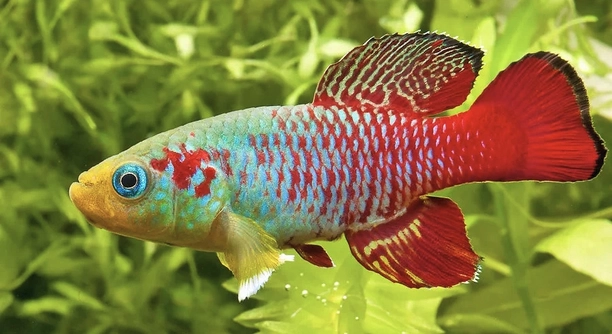
Killi fish can live with shrimp or snails under specific conditions, but compatibility depends on the species, tank size, and environmental setup. Smaller, peaceful killi fish are more likely to coexist with shrimp and snails without aggression.
Understanding how these animals interact helps create a safer, more balanced aquarium environment for all your aquatic pets.
Choosing the Right Killi Fish for a Peaceful Tank
Killi fish come in many varieties, and not all are peaceful. Some species are more aggressive or territorial, especially in small tanks. If you want to keep them with shrimp or snails, focus on the smaller, less aggressive types. The Clown Killifish or the Gardneri Killifish are better options. They are typically calm and less likely to harm other tank mates. Avoid larger or predatory killi species, as they may nip at shrimp or eat smaller snails. Always research the behavior and adult size of the specific species you’re considering before adding them to a mixed tank setup.
A peaceful species makes all the difference in how well your shrimp and snails will do in a shared environment.
I’ve had the most luck with Clown Killifish when keeping shrimp and snails in the same tank. Their calm nature and small size make them ideal companions. Just be sure to monitor their behavior early on.
Setting Up the Ideal Tank Environment
A good environment helps reduce stress and aggression.
To keep killi fish with shrimp or snails, the tank must be set up with care. Start with a tank size of at least 10 gallons. Add live plants and hiding spots like rocks, driftwood, or moss. These features provide shelter and reduce unwanted interaction between species. Use a gentle filter to prevent strong water currents, as shrimp and snails prefer calm water. Make sure the water parameters match the needs of all species involved. Killi fish prefer slightly acidic to neutral pH levels and temperatures around 72–78°F. Shrimp and snails also thrive under similar conditions. Feeding can be a challenge, so give your fish and invertebrates separate areas to eat. Avoid overfeeding, which can pollute the tank quickly. Observing your tank regularly helps spot any early signs of stress or aggression. If problems arise, be ready to separate the animals to prevent harm.
Monitoring Behavior and Making Adjustments
Even peaceful killi fish can show changes in behavior over time. Watch for signs like chasing, nipping, or shrimp hiding constantly. These behaviors suggest stress or aggression, and adjustments might be needed.
If you notice aggression, start by adding more plants or hiding spots. Sometimes visual barriers are enough to reduce stress and tension. Another option is increasing the tank size, giving all creatures more space to move freely. Rearranging tank decor can also break established territories. If a particular fish continues causing issues, consider relocating it to a different tank. Feeding all tank mates properly is important too. When food is scarce or poorly distributed, competition increases. Try feeding at separate times or on opposite sides of the tank. Regular observation helps prevent serious problems and allows you to take early action before harm is done.
Over the years, I’ve learned that keeping peace takes small, ongoing changes. I once had a killi that ignored shrimp at first but became territorial later. Adding more plants and a few extra rocks helped calm things down. Even a peaceful fish can get testy in a cramped or dull setup. Keeping the tank engaging and well-spaced truly helps everyone thrive.
Feeding Considerations and Dietary Needs
Feeding time can bring out tension if not managed carefully. Killi fish are quick eaters, while shrimp and snails eat slowly.
To reduce stress at feeding time, offer sinking foods or spread the food across multiple areas. This helps shrimp and snails access their share without competition. Killi fish enjoy high-protein foods like brine shrimp or bloodworms, while shrimp need algae-based pellets or blanched vegetables. Snails do best with calcium-rich foods to support shell growth. Avoid overfeeding, as leftover food can lead to poor water quality and unwanted tank issues. I find it helpful to feed the killi first, then quietly place food near hiding spots for the shrimp and snails. That way, everyone eats comfortably without pressure. Feeding schedules and routines also play a big role in maintaining a calm environment and ensuring each species gets what it needs daily.
Breeding Risks and Tank Mates
Breeding can lead to unexpected behavior changes. Killi fish become more territorial during spawning, which puts shrimp and snails at risk. They may guard certain areas or chase anything that gets too close to their chosen spot.
If breeding behavior begins, consider moving the eggs or adults to another tank. This helps protect the invertebrates and gives the fry a better survival rate. Even peaceful fish can act differently when breeding, so keeping a backup tank ready can be helpful. I’ve had to move breeding pairs more than once just to keep things balanced.
Tank Maintenance Tips
Consistent maintenance keeps everything running smoothly. I do weekly water changes and remove uneaten food before it causes issues. Cleaning filters gently keeps the bacteria safe while still improving water flow. Keeping the tank balanced helps reduce stress and prevents unnecessary health problems for both fish and invertebrates.
When to Separate Species
If you notice constant stress or injuries, it’s better to move the shrimp or snails to a safer setup. Not every combination works.
FAQ
Can killi fish eat shrimp or snail eggs?
Yes, killi fish can eat shrimp or snail eggs if they find them. Shrimp eggs are especially vulnerable because they are often carried under the female’s body and can be exposed during molting or stress. Snail eggs laid on glass or plants may also be picked at if the fish are curious or hungry. If you’re trying to breed shrimp or snails in a killi tank, it’s safer to move them to a separate breeding tank to protect the eggs from being eaten. Killi fish don’t actively seek out eggs, but they will eat what they find.
Are there certain shrimp species that do better with killi fish?
Yes, larger shrimp species such as Amano shrimp or adult Cherry shrimp tend to do better with smaller killi fish. These shrimp are more visible and active, which can actually reduce the chance of surprise attacks. Tiny or young shrimp are more likely to be eaten or harassed, especially in bare tanks with little cover. The more hiding spaces and dense plants you provide, the better your shrimp will do. I’ve had good results keeping Amano shrimp with Clown Killifish in a planted tank with lots of moss and driftwood.
Do killi fish nip at snail antennae?
Some killi fish might nip at snail antennae out of curiosity or boredom. This behavior is more common in tanks without enough space or hiding places. If the snail retracts often or stops moving as much, it might be stressed. Adding more plants and rearranging the tank can help reduce this behavior. Also, offering enough food for all species keeps the killi fish occupied and less likely to bother snails. Most peaceful killi species won’t do much harm if the tank is well-maintained and large enough for all.
Can killi fish and shrimp be kept together in small tanks?
Keeping killi fish and shrimp together in small tanks is possible but comes with risks. In a small space, it’s harder for shrimp to avoid the fish, and stress levels increase quickly. If you’re trying this in a tank under 10 gallons, choose peaceful, small killi fish and provide lots of plants or decor. I’ve tried a 5-gallon setup before, but it only worked well for a short time. Larger tanks give better long-term results and help reduce territorial behavior.
What’s the best way to introduce shrimp or snails to an established killi fish tank?
The best approach is to add new shrimp or snails after lights are dimmed and fish are fed. This lowers the chance of immediate attention. Try to release the invertebrates near hiding spots like plants or driftwood. Give the tank mates a few hours to adjust before turning lights back to full. Monitor the next 24 hours closely. I’ve used this method many times, and it really helps ease the transition.
How can I tell if the setup is working well?
Watch for signs of peace. If your shrimp are out and foraging, snails are active, and the killi fish aren’t chasing anything, your setup is likely working. Balanced tanks show steady feeding routines, healthy water levels, and low stress behaviors. If hiding increases or you see signs of injury, something’s off. Sometimes just a few small changes—like more hiding places or better feeding—can fix the issue. Regular observation is your best tool.
Should I avoid certain killi species completely?
Yes, some species are better left alone if you want to keep shrimp or snails. Avoid larger or highly aggressive killi fish like Golden Wonder Killifish. These types are more likely to see small tank mates as food. Stick to species known for their calm nature and smaller size. Always research the adult behavior and dietary habits of any killi species before mixing them with invertebrates. When in doubt, a species-only tank might be the safer option.
Final Thoughts
Keeping killi fish with shrimp or snails is possible, but it takes planning and care. Not all killi fish behave the same way. Some are calm and peaceful, while others can be territorial or aggressive, especially during breeding. If you want these animals to live together, choosing the right species is the first step. Smaller, more peaceful killis like Clown Killifish or Gardneri Killifish are better suited for community tanks. These fish tend to ignore shrimp and snails when given enough space, hiding spots, and proper care. Making thoughtful choices early on will help you avoid stress or loss later.
The tank setup is just as important as the species you choose. A well-decorated tank with live plants, rocks, driftwood, and moss gives everyone enough cover to feel safe. Shrimp and snails rely on these hiding spots to rest, molt, or lay eggs without being disturbed. Feeding is another key factor—killi fish are quick and may outcompete slower eaters like shrimp and snails. Spreading out food or using different types of food helps everyone get enough to eat. Monitoring behavior regularly allows you to catch any early signs of stress or aggression. If needed, be prepared to make changes such as adding more decor, moving fish, or using a separate tank.
Even with the right setup, problems can still happen. Some individual fish may act out, or breeding behavior may change the tank dynamic. It’s important to stay flexible and adjust as needed. Keeping a peaceful tank is an ongoing process, not a one-time task. Regular water changes, stable parameters, and a calm environment help keep all your aquatic pets healthy. Over time, you’ll learn to recognize what works best for your setup. If you’re careful and pay attention, it is very possible to keep killi fish, shrimp, and snails together without issues. It just takes a little extra effort, and the result can be a calm and interesting tank to enjoy.

Hello,
If you enjoy the content that we create, please consider saying a "Thank You!" by leaving a tip.
Every little bit helps us continue crafting quality advice that supports the health, happiness, and well-being of pets around the world, for pets of all shapes, sizes, and species.
We really appreciate the kindness and support that you show us!