
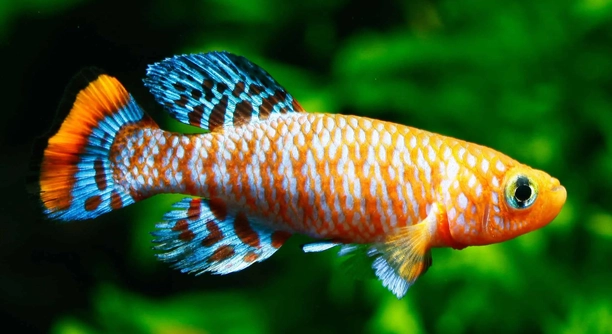
Killi fish are small, colorful fish that bring life to home aquariums. They enjoy having places to hide, which helps them feel safe and less stressed. Choosing the right hiding spots can improve their overall health and happiness.
Providing suitable hiding spots in killi fish tanks supports their natural behavior and reduces stress. Effective hiding places include live plants, caves, floating moss, leaf litter, and small decorations that mimic their natural environment. These shelters promote comfort and well-being.
Knowing the best hiding spots helps create a calm and healthy tank environment for your killi fish. This article will guide you through practical options to enhance your aquarium setup.
Live Plants as Natural Hiding Spots
Live plants are one of the best hiding spots for killi fish. They create a natural and comfortable space where fish can feel safe. Plants like Java moss, hornwort, and Anubias grow well in most tanks and provide excellent cover. Their leaves and stems offer places for killi fish to slip behind or swim through, which helps reduce their stress. Plants also improve water quality by absorbing nitrates and producing oxygen. This dual role makes them valuable additions to any killi fish tank. When choosing plants, consider the light and temperature needs of both the plants and your fish to ensure a healthy environment. Using live plants can also make the tank look more natural and attractive, creating a small ecosystem that benefits all the tank’s inhabitants.
Adding live plants means paying attention to regular care, including trimming and cleaning. Healthy plants last longer and provide better shelter for your fish.
Incorporating live plants helps replicate the killi fish’s natural habitat. This approach supports their instinctual behavior and encourages them to explore and rest comfortably in the tank.
Small Caves and Decorative Shelters
Small caves and decorative shelters provide secure hiding spots for killi fish. These structures mimic natural hiding places, such as crevices and holes found in the wild. They come in various shapes and materials like ceramic, resin, or natural wood, offering options for different tank setups. Placing these shelters in quiet, shaded areas of the tank makes them more appealing to shy fish. The caves give fish a sense of security during feeding or when the tank is busy. Decorations should be smooth and free of sharp edges to avoid injuries. Cleaning these shelters regularly prevents algae buildup and keeps the tank environment healthy for your killi fish. With the right placement and material, caves become a reliable retreat for your aquatic pets.
Floating Moss and Root Structures
Floating moss offers an excellent, soft hiding spot for killi fish. It drifts near the water surface, giving fish cover from above and a place to rest quietly. Its texture feels natural and inviting for small fish.
This moss helps create shaded areas in the tank, reducing light intensity in spots where fish like to hide. It also traps tiny food particles, which some fish nibble on throughout the day. Floating moss requires gentle water flow and regular maintenance to prevent it from decaying and fouling the water. Its presence supports the tank’s ecosystem by providing shelter for microorganisms that help keep the environment balanced.
Roots from plants like mangrove or driftwood also serve as natural hiding places. Their twisted shapes and crevices offer secure retreats. Roots slowly release tannins, which soften the water and add a natural tint, making the environment closer to the killi fish’s native waters. This natural setup helps fish feel protected and less stressed, encouraging natural behavior and movement within the tank.
Leaf Litter for a Natural Bed
Leaf litter on the tank floor creates a soft and familiar hiding place for killi fish. Fallen leaves from plants such as Indian almond or oak release beneficial tannins, which help improve water quality and mimic natural conditions.
The leaves form a natural carpet that provides shelter and food sources by encouraging the growth of microorganisms. These microorganisms serve as an extra food supply for fish and their fry. Leaf litter also breaks up the substrate surface, offering more varied textures for fish to explore. Regularly changing and cleaning the leaf litter helps prevent buildup of waste and maintains a healthy environment. Using leaf litter replicates the riverbeds and streams where killi fish are commonly found, improving their comfort and well-being.
Small Driftwood Pieces
Small driftwood pieces offer natural hiding spots with interesting shapes and textures. They create shaded areas where killi fish can rest and feel safe. Driftwood also releases tannins that soften the water, which benefits the fish’s health.
Be sure to clean driftwood properly before adding it to the tank. Soaking it helps remove impurities and prevents water discoloration. Over time, driftwood becomes a natural part of the tank’s landscape, providing a cozy retreat for your fish.
Aquarium Decorations with Smooth Surfaces
Smooth aquarium decorations, like resin caves or ceramic pots, offer safe hiding places. They should be free of sharp edges to avoid injuring the delicate killi fish. Choose smaller-sized decorations that fit the scale of your tank and fish. These spots give fish a sense of security and reduce stress during feeding or tank activity.
Floating Plants for Shelter
Floating plants like duckweed or water lettuce provide natural shade and cover. Their roots hang down, giving fish places to hide and explore under the leaves. These plants help control light and reduce algae growth by limiting sunlight exposure in parts of the tank.
Substrate Variations
Using varied substrates, such as fine sand mixed with small gravel, can create small crevices and hiding spots on the tank floor. This variation makes the environment more interesting and natural for killi fish.
What are the best materials for hiding spots in a killi fish tank?
The best materials for hiding spots are natural or smooth items that won’t harm your fish. Live plants, driftwood, and leaf litter provide natural textures and shelter. Smooth ceramic or resin caves are safe artificial options. Avoid sharp or rough objects to prevent injuries.
How often should I clean the hiding spots in my tank?
Cleaning depends on the material. Live plants need trimming and occasional rinsing. Driftwood and artificial caves should be cleaned every few weeks to remove algae and debris. Leaf litter needs replacing regularly to avoid waste buildup. Keep the cleaning gentle to avoid stressing your fish.
Can hiding spots reduce aggression in killi fish tanks?
Yes. Hiding spots provide fish with personal space, which helps reduce stress and aggression. When fish have places to retreat, they are less likely to compete aggressively. This creates a calmer environment, especially in tanks with multiple killi fish.
Are floating plants necessary for killi fish tanks?
Floating plants aren’t strictly necessary but highly beneficial. They offer shade, reduce light intensity, and create natural cover at the surface. Their roots also provide additional places for fish to explore and hide, enhancing the overall tank environment.
How do I know if my killi fish is stressed?
Signs of stress include hiding excessively, loss of color, erratic swimming, or loss of appetite. Providing proper hiding spots can help reduce these behaviors by making your fish feel secure. Regular water checks and tank maintenance also help keep stress levels low.
Can I use artificial decorations instead of live plants?
Artificial decorations are fine as long as they are smooth and safe for fish. They do not provide the water quality benefits live plants do, such as oxygen production and nitrate absorption. Combining both live plants and artificial shelters can create a balanced environment.
Is leaf litter safe for all types of killi fish?
Leaf litter is generally safe and mimics the natural habitat of many killi fish species. However, it’s important to monitor water quality as decomposing leaves can affect it if not changed regularly. Choose leaves known for aquarium use, like Indian almond leaves, for best results.
How large should hiding spots be?
Hiding spots should be just large enough for your killi fish to enter comfortably. Too large spaces may feel unsafe, while too small ones can cause stress or injury. Tailor the size of caves, plants, and decorations to the size of your fish for optimal comfort.
Can hiding spots help during breeding?
Yes, hiding spots are essential during breeding. They provide secure areas for females to lay eggs and for fry to hide from adults. Plants, caves, and leaf litter offer protection and reduce chances of egg predation, increasing the success rate of breeding efforts.
Do hiding spots affect water flow or filtration?
Some hiding spots, especially dense plants or large decorations, can affect water flow by creating dead zones with less circulation. This is not always negative but requires monitoring. Proper filter placement and occasional water movement adjustments help maintain good tank health.
Choosing the right hiding spots for your killi fish tank is important for the well-being of your fish. Killi fish feel safer and less stressed when they have places to retreat to. Whether it is live plants, small caves, floating moss, or leaf litter, these hiding spots create a more natural environment. This natural feel helps the fish behave normally and stay healthy. Providing enough hiding places can also reduce fighting or aggressive behavior in the tank, which is good for keeping a peaceful aquarium.
It is important to choose hiding spots that fit well with the size of your tank and the needs of your killi fish. Live plants bring many benefits, like improving water quality and offering soft cover. Small caves and decorations should be smooth and safe to prevent injuries. Floating plants and roots add extra layers of shelter near the surface. Leaf litter creates a natural floor and helps keep the water slightly acidic, which many killi fish prefer. Using a mix of these options will keep the tank interesting for your fish and provide enough shelter for them to feel comfortable.
Regular care and maintenance of hiding spots also matter a lot. Live plants need trimming, and leaf litter should be replaced to avoid water problems. Decorations and driftwood should be cleaned to prevent algae buildup. By paying attention to these details, you keep the tank environment healthy and inviting. When your killi fish have safe places to hide, they can rest better and show their true colors. This makes your aquarium a beautiful and lively space, both for the fish and for anyone who enjoys watching them.

Hello,
If you enjoy the content that we create, please consider saying a "Thank You!" by leaving a tip.
Every little bit helps us continue crafting quality advice that supports the health, happiness, and well-being of pets around the world, for pets of all shapes, sizes, and species.
We really appreciate the kindness and support that you show us!