
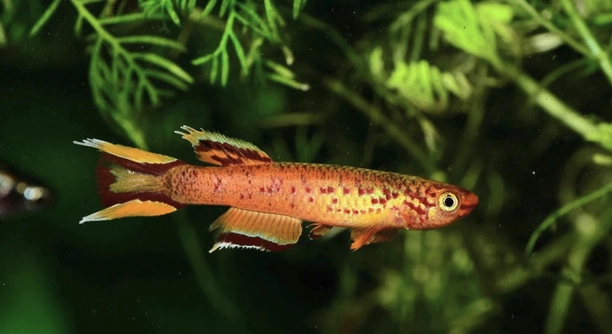
Are your killifish not as lively as you’d expect, even though their tank setup seems just right? Understanding their activity levels throughout the day can help you support their health and well-being more effectively.
Killifish are most active during the early morning and late afternoon hours. These periods align with their natural feeding and movement patterns in the wild, making them more responsive and energetic at these times.
By learning when your killifish are most alert, you can create a more enriching and supportive environment that mirrors their natural rhythms.
Understanding Killifish Activity Patterns
Killifish are diurnal, which means they are mostly active during daylight hours. In their natural habitat, they swim and forage early in the morning and again in the late afternoon when temperatures are more moderate and light levels are comfortable. This behavior usually continues in captivity as well. When the tank lighting mimics a natural day-night cycle, killifish tend to follow the same pattern. They are usually calm or resting during the middle of the day and become less active once the lights dim. These activity periods are when they’re more likely to interact with their environment, explore, and eat. Providing food during these times helps support their natural rhythm. If your fish seem sluggish or inactive, it’s helpful to observe them during these peak hours rather than mid-day. Matching their schedule not only supports their health but also makes it easier to monitor behavior and feeding responses.
Early activity is often linked to feeding. Offering food right after the lights come on can encourage movement and interest.
Later in the afternoon, killifish tend to become active again, especially if the lighting begins to soften. This behavior can be supported by keeping the tank lighting consistent.
Supporting Healthy Activity in Your Aquarium
Tank conditions can either encourage or restrict a killifish’s activity. If the lighting is too harsh or on for too long, they may hide more and move less. A light schedule that mimics sunrise and sunset can help.
Maintaining the right tank environment supports natural behavior and movement. Start by using a timer to regulate lighting—10 to 12 hours a day works well for most killifish. Try to keep the room where the tank is located fairly quiet during their peak hours. Sudden sounds or movement near the tank can cause stress, which may reduce activity. Additionally, avoid overfeeding. Uneaten food can affect water quality, which in turn impacts behavior. A clean, well-planted tank offers hiding spaces and areas to explore, which promotes healthy movement. Including gentle water flow also mimics natural conditions. Keep an eye on temperature too. Cooler or warmer than usual water can make them sluggish. By adjusting your setup to support their needs, you’ll notice your killifish staying active and more responsive during their most energetic parts of the day.
Observing Behavior to Spot Activity Changes
Changes in behavior usually show up slowly. If your killifish suddenly stops moving much during its usual active times, it might be a sign something is off. Keep an eye on how often they swim, explore, or react to food during their normal peak hours.
If a killifish that was once lively in the morning or late afternoon starts hiding or floating near the bottom, it’s worth checking tank conditions. Temperature, water quality, and lighting should all be stable. Stress from tank mates or sudden environmental changes can also affect activity. These fish are sensitive to changes, and their behavior is often the first sign of a problem. Look for things like loss of appetite, sluggish movement, or staying in one spot too long. A small change in routine or care may quickly restore their normal patterns. Observing them regularly helps you catch things early.
Try not to overreact if you notice a small shift in movement. Killifish sometimes slow down for short periods without anything being wrong. However, if they skip meals or seem uninterested in their surroundings for more than a day, it’s worth taking a closer look. Test your water, check your thermometer, and observe how other fish are acting in comparison.
Feeding Routines That Match Natural Patterns
Feeding during active hours helps support natural energy cycles. When food is offered during the morning and late afternoon, killifish are more likely to respond positively. Avoid feeding late in the evening when they begin to settle down.
A consistent feeding schedule encourages better behavior and health. Feed small amounts in the morning, about 15–30 minutes after the lights turn on, and again in the late afternoon. Use floating or slow-sinking food that allows them to catch it easily as they swim near the surface. Don’t feed more than they can finish in two minutes to avoid extra waste. Uneaten food affects water quality and can lower activity levels. Watching how your killifish eat during their most active times helps you adjust portions and food types to suit their needs. Balanced feeding, done at the right times, makes a big difference in their overall movement and alertness.
Lighting and Its Role in Activity
Killifish respond strongly to light changes. Sudden brightness or overly dim settings can confuse their natural rhythm. Using a timer to mimic sunrise and sunset helps maintain steady activity levels and prevents stress-related behavior changes.
Avoid using lights that are too harsh or bright. Soft, natural-toned lighting creates a calm space that supports predictable movement.
How Temperature Affects Movement
Water temperature plays a direct role in how active killifish are. When the temperature drops below their comfort range, they become sluggish and less responsive. Warmer water within their safe range usually boosts activity, but too much heat can cause stress. Keep the water between 72°F and 78°F for most species. Check with a thermometer daily to make sure it stays consistent. Sudden drops or spikes in temperature can throw off their schedule and lead to reduced swimming and feeding. Placing the tank away from windows and heating vents helps prevent these changes. A stable temperature makes a noticeable difference in how your killifish behave during their usual active periods.
Tank Mates Can Influence Behavior
Loud or aggressive tank mates can make killifish feel unsafe. This may cause them to stay hidden, even during their most active times. Keeping peaceful species together supports healthier activity and stress-free movement.
What time of day are killifish most active?
Killifish are usually most active in the early morning and late afternoon. These times align with their natural behavior in the wild, where cooler temperatures and softer light make them more comfortable moving around. During these periods, they swim actively, search for food, and interact with their environment. Midday and nighttime are quieter for them, as they tend to rest or hide to conserve energy.
How can I encourage my killifish to be more active?
Maintaining a consistent light schedule that mimics natural daylight helps. Use a timer to provide 10–12 hours of soft light each day, including gradual sunrise and sunset if possible. Feed your fish during their peak activity times in the morning and late afternoon. Keep the water temperature steady between 72°F and 78°F and avoid sudden changes. Provide plenty of hiding places and plants, so they feel safe to explore. Avoid overcrowding the tank or adding aggressive fish, which can cause stress and reduce activity.
Why does my killifish hide a lot and seem inactive?
Hiding is normal sometimes, especially during the middle of the day or if the fish feels stressed. However, if your killifish is hiding more than usual or not moving during its active periods, it could indicate a problem. Check the water quality, temperature, and lighting first. Poor water conditions or extreme temperature swings can cause lethargy. Stress from tank mates or changes in the tank environment may also be factors. If hiding is paired with loss of appetite or unusual behavior, it might be best to test water parameters and observe carefully.
Can the tank environment affect killifish activity?
Absolutely. Lighting, temperature, water quality, and tank decorations all influence their movement. Killifish prefer calm conditions with stable temperatures and clean water. Harsh lighting or sudden changes in brightness can stress them. A well-planted tank with places to hide encourages exploration and natural behavior. Good filtration and regular water changes help keep the environment healthy, which supports normal activity levels.
How often should I feed killifish, and when?
Feed killifish twice a day during their active periods—once in the early morning and again in the late afternoon. Give small portions they can eat in about two minutes to avoid leftover food, which harms water quality. Use a mix of foods like flakes, pellets, and live or frozen options for variety. Avoid feeding late in the evening, as killifish tend to rest at night and don’t digest well before sleeping.
Does water temperature impact killifish activity?
Yes, temperature is key. Killifish become less active if the water is too cold or too hot. The ideal range is usually between 72°F and 78°F. Outside this range, their metabolism slows or speeds up too much, causing stress or sluggishness. Keep the tank in a stable environment, away from drafts or direct sunlight. Using a reliable heater and thermometer will help maintain consistent temperatures.
What tank mates are best for killifish to keep them active?
Peaceful, non-aggressive fish make the best tank mates. Killifish don’t do well with large, aggressive, or overly active species that might intimidate them. Calm companions create a less stressful environment, encouraging your killifish to swim freely and explore. Avoid overcrowding, as it reduces space and can cause tension. A well-balanced tank with suitable tank mates helps maintain natural behavior and regular activity.
Why do killifish sometimes seem more active at night?
Although killifish are primarily active during the day, some species or individuals may show bursts of activity at night. This can happen if the tank lighting schedule is off or if they are disturbed by noises or movements. Night activity is usually less intense and shorter in duration. Ensuring a proper day-night cycle with gradual dimming lights helps keep their natural rhythm steady.
How does lighting affect killifish behavior?
Lighting is one of the strongest cues for killifish activity. Gradual light changes in the morning and evening help them adjust and become more active. Sudden bright lights or long hours of illumination can stress them, causing hiding or reduced movement. Soft, natural-colored lighting encourages relaxed and regular activity. Using timers to control light length and intensity can create a more stable environment.
What signs show that killifish are healthy and active?
Healthy killifish swim confidently, respond to feeding quickly, and explore their surroundings during active hours. Their colors appear bright and consistent, and they interact calmly with other fish. They rest quietly during their inactive periods but don’t stay hidden all day. Regular activity, clear eyes, and smooth breathing are good signs. Changes in movement or behavior should be watched closely for possible health issues.
Killifish show their best activity during the early morning and late afternoon, which reflects their natural habits. Understanding these patterns can help in caring for them properly. By observing when your fish are most lively, you can better plan feeding times and tank maintenance to match their needs. This simple adjustment supports their health and encourages natural behavior. It also makes watching them more enjoyable, as you will see them at their most energetic and curious moments.
Creating a stable environment is key to keeping killifish active and healthy. Lighting should follow a regular schedule that mimics natural daylight, with softer lights during sunrise and sunset. The water temperature must stay within a comfortable range, usually between 72°F and 78°F, to avoid stress or sluggishness. Clean water and a well-planted tank provide safety and space for exploring. Paying attention to tank mates is also important; peaceful companions help reduce stress and promote movement. Avoid overcrowding and aggressive fish that can make killifish hide or become inactive.
Regular observation is an important part of killifish care. Watching how they behave during their active times can give clues about their health. If they seem less active, it may be due to changes in water quality, temperature, or stress from the tank environment. Adjusting these factors often helps restore their usual activity. Feeding at the right times with the right amounts of food also plays a role. When these elements come together, your killifish will show their natural lively nature, adding enjoyment and balance to your aquarium.

Hello,
If you enjoy the content that we create, please consider saying a "Thank You!" by leaving a tip.
Every little bit helps us continue crafting quality advice that supports the health, happiness, and well-being of pets around the world, for pets of all shapes, sizes, and species.
We really appreciate the kindness and support that you show us!