
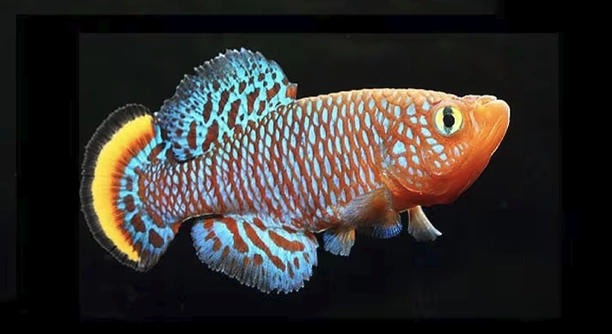
Do you ever find yourself struggling to keep your killi tank clear and free of green or cloudy buildup on the glass and plants?
The most effective way to prevent algae in killi tanks is by controlling light exposure, limiting excess nutrients, and maintaining regular water changes. These steps work together to reduce algae growth and promote a healthier environment.
Learning what causes algae and how to manage your tank’s conditions will help keep your killifish healthy and their habitat looking clean and bright.
Common Causes of Algae in Killi Tanks
Algae can build up when certain tank conditions are off balance. Too much light, overfeeding, and irregular cleaning are the most common reasons. Killifish tanks are often small and still, which makes them more sensitive to changes. Even a slight increase in nutrients like leftover food or fish waste can encourage algae to spread. Tap water with high phosphate or nitrate levels can also make it worse. Using the wrong light intensity or keeping lights on for too long can trigger faster algae growth. It’s important to find a routine that works for your tank’s size and the type of killifish you keep. Some algae are harmless, but others can block light or oxygen, making the space unhealthy. Keeping algae under control helps your killifish feel more comfortable and improves the look of the tank too. Regular checks and simple habits can make a big difference in preventing it.
Algae often grows faster when the tank gets too much light or isn’t cleaned on a regular schedule.
Think about how often you feed your killifish and how much food they really eat. Leftover bits sink, rot, and feed algae. Check your water source too—some tap water is high in nutrients that algae love. If you’re using a planted tank setup, make sure the plants aren’t being shaded by floating algae or debris. When light can’t reach the plants, they stop competing with algae for nutrients, and that can throw everything off balance. A good rule is to aim for about 8 hours of light a day, and use a timer if needed. Cutting back on artificial light and doing weekly water tests can help. Remove any visible algae right away using a sponge or scraper. It’s easier to stay on top of it when you act early and stay consistent.
Simple Ways to Prevent Algae
Limit light exposure to 6–8 hours a day and avoid placing your tank near direct sunlight.
Staying ahead of algae starts with a clean setup and a regular schedule. Wipe down the tank walls at least once a week. Remove any uneaten food within a few minutes after feeding. Do 25–30% water changes weekly, and always test your water for nitrate and phosphate levels. Avoid overfeeding, even if your killifish seem eager for more. Install a good filter and make sure it’s running well. Live plants help by using up nutrients before algae can grow. Floating plants are especially useful in shading parts of the tank. If algae does appear, gently clean it off decorations and leaves. For tougher spots, use an algae scraper made for aquariums. A consistent approach will help you enjoy a clearer tank with less effort over time. Your killifish will also benefit from a more stable and healthy space.
How to Choose the Right Lighting for Your Tank
Too much light can lead to algae, even if the tank looks clean at first. Choose a light that’s made for freshwater tanks and avoid ones that are too bright or harsh.
Stick with full-spectrum LED lights designed for planted tanks, as they support plant growth without encouraging fast algae growth. Avoid leaving the light on longer than 8 hours, even if the tank is in a darker room. A timer is helpful because it keeps the lighting schedule consistent, which reduces algae flare-ups. Stay away from placing your tank near windows where natural light can add extra exposure. If you start to see algae even with a short light period, try cutting it back by an hour or two and monitor how your tank responds. Small adjustments can help maintain balance without harming your plants or stressing your killifish.
Killifish prefer low to moderate lighting, so there’s no need to use high-output fixtures. Too much brightness can stress them and boost algae growth at the same time. If your tank doesn’t have many plants, use a dimmer setting or choose a light strip with adjustable levels. You can also add floating plants to naturally reduce light reaching the lower parts of the tank. These plants offer shade and help use up nutrients that would otherwise feed algae. Keep an eye on the algae pattern—if it shows up mainly on the glass or decorations, it’s usually a lighting issue. Making simple changes to how and when you light the tank helps create a healthier environment with fewer algae problems.
Maintaining a Healthy Balance in the Tank
Balance comes from regular care and paying attention to small changes. Check the water weekly, and don’t skip cleanings, even if the tank looks fine. These small steps prevent bigger problems later.
Clean your substrate gently during water changes to remove decaying matter. Use a siphon to reach under decorations where waste can collect. Live plants help absorb excess nutrients, so add a few if you don’t already have them. Choose slow-growing species like Java fern or Anubias, which are easy to care for and compete with algae. Don’t overcrowd your tank, as more fish mean more waste. Stick to small feedings once or twice a day, and avoid flake food that tends to float and rot. Keep your filter clean and replace media as needed, but avoid over-cleaning, which can remove helpful bacteria. These bacteria are key for processing waste and keeping the water safe for your killifish.
How Feeding Habits Affect Algae Growth
Overfeeding adds extra nutrients to the water, which encourages algae. Killifish don’t need large meals, so small portions once or twice a day are best. Always remove leftover food within a few minutes to avoid buildup in the tank.
Try feeding live or frozen foods in small amounts. These are less likely to pollute the water compared to flakes or pellets. Spread feedings out if needed, but never double up to make up for missed meals. Keeping feeding simple helps reduce algae and supports your fish’s health.
Choosing the Right Plants to Control Algae
Live plants compete with algae for nutrients, making them a great natural option. Floating plants like water lettuce or frogbit help by blocking excess light and absorbing waste. Low-maintenance plants like Java moss and hornwort also do well in killifish tanks. Healthy plants can outcompete algae if the tank is well-balanced.
Using Algae-Eaters with Killifish
Snails and shrimp are peaceful algae-eaters that can live with killifish. They clean surfaces without bothering the fish.
FAQ
How many hours of light is safe for a killi tank?
Keep light on for 6 to 8 hours a day. This is usually enough for any live plants without promoting too much algae. If you notice green buildup on the glass or decorations, reduce the lighting by an hour. Using a timer helps keep things consistent and prevents accidental overexposure. Avoid placing your tank near windows or other natural light sources, as this can increase algae even if your tank light is on a proper schedule. A steady routine helps support plant growth and keeps your tank looking clean.
Can algae harm killifish?
Algae itself isn’t always harmful, but too much can cause problems. Thick algae can block light from reaching plants, reduce oxygen levels at night, and make the water quality harder to manage. Some algae types also make surfaces slippery or trap debris, which can lead to spikes in waste levels. Killifish prefer clear water with stable conditions. If algae grows out of control, it may lead to stress or poor health in your fish. Keeping algae under control helps your fish stay active and your tank stay stable.
What should I do if algae keeps coming back?
Check your lighting and feeding first. Too much of either can cause recurring algae problems. Make sure you’re not feeding more than your killifish can eat in a couple of minutes. If you’re already limiting light and food, test your water for high nitrates or phosphates. These nutrients often come from overfeeding, dirty filters, or untreated tap water. Do a partial water change every week and clean your filter monthly to prevent buildup. Adding more live plants and making sure your filter is working well can also help keep algae from returning.
Do I need to scrub the tank often?
You don’t need to scrub the tank every day, but a quick weekly wipe with an aquarium-safe sponge keeps algae from spreading. Focus on the front glass and any decorations that show early signs of green buildup. If algae grows on plants, trim those leaves or gently wipe them. Regular tank maintenance like gravel vacuuming, water changes, and filter cleaning will reduce the need for heavy scrubbing later. Staying ahead of algae with small, consistent actions is better than waiting until it becomes a larger issue.
Are algae-eating fish good for killi tanks?
Most algae-eating fish don’t mix well with killifish due to different space and temperature needs. Instead, stick with peaceful snails or shrimp. Nerite snails, Amano shrimp, or small ramshorn snails do a good job at controlling algae without disturbing your fish. Just be sure your killifish aren’t overly aggressive. Also, avoid overstocking, since too many tankmates can increase waste and stress. Algae-eaters are a helpful addition, but they work best as part of an overall maintenance routine, not a full solution on their own.
Can plants really prevent algae growth?
Yes, healthy plants compete with algae for light and nutrients. Fast-growing plants like hornwort, water wisteria, or floating plants help soak up the extra nutrients that would otherwise fuel algae growth. Plants also offer shade, which limits how much light reaches the bottom of the tank—where algae often spreads first. The more plants you have, the more support you give your tank’s balance. Just make sure they’re suited to your lighting setup and that they’re kept clean and trimmed.
Why is my water still green even after cleaning?
Green water usually means there’s algae floating in the water, not just on surfaces. This can happen when there’s too much light and not enough plant competition. It may also be due to high nutrient levels from fish waste or decaying food. Cleaning the tank alone won’t fix green water unless you also address the source. Try reducing the light, adding fast-growing plants, and doing a series of small water changes. Avoid chemical treatments unless it’s a last resort, since they can harm your killifish and beneficial bacteria.
Do floating plants help with algae control?
Floating plants are one of the easiest and most natural ways to reduce algae. They shade the tank and block out excess light while absorbing extra nutrients in the water. Plants like frogbit, duckweed, or water lettuce are simple to care for and grow quickly. Just be sure they don’t cover the entire surface, as killifish often go to the top for air and food. Trimming back the plants now and then will keep the balance right and still give your tank the algae protection it needs.
Final Thoughts
Keeping algae under control in a killi tank doesn’t have to be difficult. With a few simple habits, you can avoid most common problems. Watching how much light your tank gets, feeding your killifish in small amounts, and doing regular water changes all help create a more balanced setup. Killifish do best in clean, low-maintenance tanks where light, food, and waste levels stay steady. Algae is normal in small amounts, but when it spreads too much, it can affect how your tank looks and how healthy your fish are. It’s easier to stay ahead of algae than to fix it once it gets out of control.
A big part of keeping algae down is staying consistent. If your tank has a set schedule for lighting and cleaning, it’s less likely to develop problems. Use a timer for lights so you don’t forget to turn them off. Feed only what your fish will eat in a minute or two, and remove extra food. Change part of the water once a week and check your filter often. Adding live plants helps a lot, especially floating ones that block light and absorb waste. If you spot algae early—on the glass, decorations, or plants—clean it gently before it spreads. These small steps add up and make your tank easier to manage over time.
There’s no one perfect way to prevent algae, but understanding what causes it makes things easier. Light, nutrients, and lack of care are the biggest factors. With killifish, you don’t need strong lighting or heavy feeding, which already puts you in a good place. Choose your tank setup with balance in mind. Don’t overcrowd it with too many fish or overdecorate it in ways that block water flow. Keep it simple and clean. If algae does appear now and then, don’t panic—it’s a natural part of any aquarium. What matters most is how you respond. Regular care keeps everything stable, and your killifish will stay healthy and active. A clear tank doesn’t just look better—it also shows that the environment is working the way it should.

Hello,
If you enjoy the content that we create, please consider saying a "Thank You!" by leaving a tip.
Every little bit helps us continue crafting quality advice that supports the health, happiness, and well-being of pets around the world, for pets of all shapes, sizes, and species.
We really appreciate the kindness and support that you show us!