
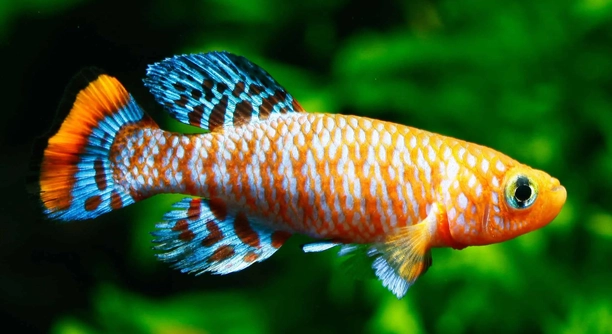
Killi fish are small, colorful freshwater fish often kept by hobbyists. They are known for their hardy nature and ability to live in varied conditions. Many people enjoy their bright colors and peaceful behavior in home aquariums.
Killi fish can survive in uncycled tanks for short periods, but this environment is not ideal for their health. Uncycled tanks lack beneficial bacteria that break down harmful toxins, increasing the risk of stress and illness for the fish.
Understanding the risks of uncycled tanks helps keep killi fish healthy and thriving in your care. This article explores what you need to know about their tank requirements.
Why Cycling a Tank Matters
Cycling a tank means building up good bacteria that break down harmful waste products like ammonia and nitrites. These chemicals come from fish waste and uneaten food. Without cycling, these toxins can quickly reach dangerous levels. Killi fish are small, but even they can get sick or die if the water isn’t safe. Cycling usually takes several weeks, during which beneficial bacteria grow on surfaces inside the tank. This natural process keeps the water clean and safe. Many beginners don’t realize how important this step is before adding fish. Some think fish can survive well enough in new tanks, but the risk is high. Cycling protects fish health and helps avoid stress, which can weaken their immune system. Taking the time to cycle a tank pays off by giving killi fish a stable and healthy environment to live in.
Even though cycling takes time, it is necessary for long-term success with killi fish.
Learning how to cycle a tank properly is easier than it sounds. You can cycle a tank using fishless methods or with hardy fish, but the main goal is to build the bacteria colony. Regular testing of water parameters like ammonia, nitrite, and nitrate is important to know when cycling is complete. Once the tank is cycled, ammonia and nitrite levels drop to zero, while nitrate rises slightly and can be controlled with water changes. This process creates a safe home for killi fish and reduces the chance of sudden deaths or illness.
Risks of Keeping Killi Fish in Uncycled Tanks
Keeping killi fish in uncycled tanks means exposing them to toxic chemicals that can cause stress and disease. Ammonia and nitrite build up quickly and harm the fish’s gills, making it hard for them to breathe. Stress weakens their immune system, leaving them open to infections and other health problems. Deaths are common in uncycled tanks because the environment is simply not stable. While some killi fish may survive for a short time, most will suffer in the long run. It is a risk that isn’t worth taking, especially when cycling can prevent these issues.
Even a short stay in uncycled water can affect fish health badly.
To keep killi fish healthy, always cycle the tank before introducing them. If you need to add fish quickly, consider using special treatments to remove toxins temporarily, but these are not permanent solutions. Setting up a proper cycling process is the best way to avoid stress and ensure your killi fish live a full, happy life. Maintaining regular water tests and changes after cycling also helps keep the tank safe and comfortable for your fish. This care makes a big difference in how well your killi fish thrive over time.
How to Start Cycling a Tank
Start by adding an ammonia source like fish food or pure ammonia to the empty tank. This encourages beneficial bacteria to grow. Test water regularly to monitor ammonia, nitrite, and nitrate levels during the process.
Patience is key when cycling a tank. It can take between two and six weeks for the bacteria to establish fully. Testing water frequently will help you see when ammonia and nitrite levels drop to zero, signaling the tank is ready. Keep the temperature stable and avoid cleaning the filter media too much, as this can remove bacteria. Once cycling is complete, perform a partial water change to reduce nitrates and prepare the tank for fish.
Adding a small number of hardy fish during cycling can help, but it increases the risk of fish stress or death. If you choose this method, monitor water closely and be ready to act if toxic levels rise. Using filter media from an established tank can also speed up cycling by introducing beneficial bacteria directly.
Maintaining Water Quality for Killi Fish
Good water quality means clean, clear water with safe chemical levels. Test water weekly for ammonia, nitrite, nitrate, and pH to keep conditions stable.
Consistent water changes are essential to keep nitrate levels low and remove waste. Replace about 20-30% of tank water weekly, using treated water that matches tank temperature. Avoid overcrowding the tank, as too many fish produce excess waste that can overwhelm the filtration system. Keep the tank environment peaceful and monitor fish behavior for signs of stress or illness. Regular maintenance creates a healthy home where killi fish can thrive and display their natural colors.
Signs of an Uncycled Tank
Cloudy water, strong ammonia smell, and stressed or gasping fish often indicate an uncycled tank. These signs mean harmful toxins are building up and the tank is unsafe for killi fish.
Fish hiding or showing faded colors can also be a sign. Immediate action is needed to protect their health and prevent deaths.
Using Live Plants to Help Cycling
Live plants absorb ammonia and nitrates, helping improve water quality during cycling. They support beneficial bacteria by creating a balanced environment. Adding fast-growing plants like hornwort or water sprite speeds up the process and reduces toxins naturally.
Plants also provide shelter and comfort for killi fish, making the tank more stable and less stressful.
Temporary Solutions for New Tanks
Water conditioners can neutralize harmful chemicals temporarily, but they don’t replace the cycling process. Use these products only as a short-term fix while working to cycle the tank properly.
FAQ
Can killi fish survive in an uncycled tank?
Killi fish might survive for a short time in an uncycled tank, but it is risky. Without beneficial bacteria to break down toxins like ammonia and nitrite, the water quickly becomes harmful. Prolonged exposure can cause stress, illness, or death. It’s best to cycle the tank before adding fish.
How long does it take to cycle a tank for killi fish?
Cycling usually takes between two and six weeks. The time varies depending on the method used and tank conditions. Testing water regularly helps track ammonia and nitrite levels. When both drop to zero, and nitrates rise slightly, the tank is cycled and ready for fish.
Can I speed up the cycling process?
You can speed up cycling by adding filter media or gravel from an established tank. This introduces helpful bacteria directly. Adding live plants can also help absorb toxins. Using hardy fish during cycling is possible but increases risk. Always test water closely during this process.
Is it safe to add killi fish during cycling?
Adding killi fish during cycling isn’t ideal but can be done with caution. Fish are exposed to higher toxin levels, which can cause stress or death. Use hardy fish only and monitor water daily. Regular water changes and water conditioners may reduce risks but don’t replace full cycling.
What are the signs that my tank isn’t cycled?
Common signs include cloudy water, strong ammonia smell, fish gasping at the surface, faded colors, and hiding behavior. Water tests will show high ammonia or nitrite levels. These signs mean the tank environment is unsafe, and immediate action is needed to protect your fish.
How often should I test the water?
Test water at least twice a week during cycling to monitor ammonia, nitrite, and nitrate levels. After cycling, weekly testing is enough to maintain good water quality. Frequent testing helps catch problems early before they affect your killi fish.
What is the best way to cycle a tank without fish?
Fishless cycling uses pure ammonia or fish food to start bacteria growth without risking fish health. Add a small amount of ammonia and test water daily. When ammonia and nitrite drop to zero, and nitrates appear, the tank is cycled. This method takes patience but is safer for fish.
Can water conditioners replace cycling?
Water conditioners neutralize toxins temporarily but don’t remove ammonia or nitrites permanently. They are helpful for short-term use or emergencies but don’t replace the need to cycle the tank. Relying only on conditioners can harm fish over time.
Do live plants eliminate the need for cycling?
Live plants help reduce toxins but don’t eliminate the need for cycling. They absorb ammonia and nitrates, making water safer during cycling, but beneficial bacteria are still needed to fully break down waste. Plants are a good addition, not a replacement.
How often should I change water in a tank with killi fish?
Perform a 20-30% water change every week to keep nitrate levels low and water clean. Use treated, temperature-matched water to avoid stress. Regular water changes support fish health and help maintain a stable environment for your killi fish.
Final Thoughts
Keeping killi fish healthy and happy starts with providing a safe and stable environment. While these fish are known for their hardiness, they still need clean water with low levels of toxins. An uncycled tank lacks the beneficial bacteria needed to break down harmful waste products like ammonia and nitrite. Without this natural filter, toxins build up quickly and can cause stress or even death to the fish. This makes cycling the tank before adding killi fish very important.
Cycling a tank takes time and patience, but it is worth the effort. The process allows helpful bacteria to grow and keep the water safe for fish. Whether you choose to cycle with or without fish, testing the water regularly helps you know when the tank is ready. Live plants can also support the cycling process by absorbing some toxins and adding oxygen to the water. Once the tank is cycled, regular water changes and maintenance keep the environment stable and healthy for your fish.
Taking these steps creates a better home for killi fish to thrive. Avoiding the temptation to add fish to an uncycled tank protects them from unnecessary harm. By understanding the importance of cycling and proper care, you can enjoy the beauty and peaceful nature of killi fish for a long time. This simple commitment helps ensure their health, making your aquarium a pleasant and safe place for these delicate creatures.

Hello,
If you enjoy the content that we create, please consider saying a "Thank You!" by leaving a tip.
Every little bit helps us continue crafting quality advice that supports the health, happiness, and well-being of pets around the world, for pets of all shapes, sizes, and species.
We really appreciate the kindness and support that you show us!