
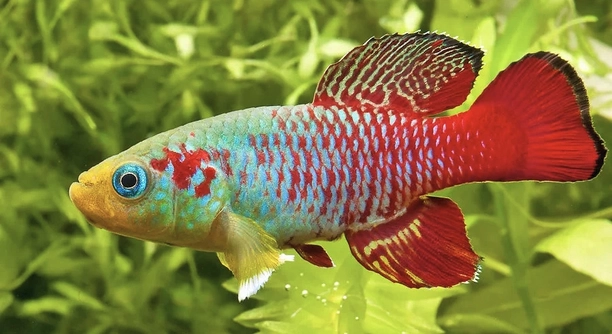
Killi fish are popular among aquarium enthusiasts for their vibrant colors and active behavior. Many owners want to know more about their health and how well they resist common threats in aquatic environments. Parasites are a frequent concern for small fish species like killis.
Killi fish can catch parasites, but their susceptibility depends on factors such as water quality, tank conditions, and the presence of infected fish. Proper care and regular monitoring reduce the risk of parasite infestations and support their overall health.
Understanding parasite risks helps maintain a healthy aquarium environment for killis. This knowledge supports better care and prevents potential health problems in these delicate fish.
How Killi Fish Get Parasites
Parasites usually enter killifish tanks through new fish, plants, or contaminated water. When conditions are crowded or water quality is poor, parasites can multiply quickly. Parasites like ich, flukes, and worms attach to the fish’s skin, gills, or inside their body. These infections cause stress, reduce immunity, and may lead to serious illness or death if untreated. Regular tank maintenance and quarantining new additions are important steps to protect killis from parasite infections. Watching for early signs like scratching, lethargy, or white spots can help catch problems before they worsen. A well-maintained environment and healthy fish reduce the chance of parasites taking hold.
Good tank hygiene and monitoring fish behavior are key to preventing parasite outbreaks in killifish.
Parasite infections often start small but can spread fast in poor conditions. Early detection, maintaining clean water, and using medication when needed can control parasites. Keeping stress low by providing hiding spots and proper nutrition supports killifish defenses against infections. Regular water changes and testing ensure a safe habitat. Quarantining new fish for at least two weeks before adding them to the main tank prevents introducing parasites. If parasites appear, treatment depends on the type but often involves antiparasitic medications or salt baths. Consulting with a vet or experienced aquarist ensures the right approach. Preventing parasites through good care is easier than treating infections after they start.
Preventing Parasites in Killi Fish Tanks
Maintaining stable water parameters is crucial for killifish health and parasite prevention.
Keeping the tank clean involves removing uneaten food and debris regularly to prevent parasite breeding grounds. Avoid overcrowding by limiting the number of fish, as stress and close contact make parasite transmission easier. Use a reliable filter and change water weekly to keep toxins low. Plants should be inspected and cleaned before adding them to the tank. Feeding high-quality food strengthens fish immune systems, making them less prone to parasites. Monitoring water temperature and pH to suit the specific killifish species helps avoid stress. When adding new fish, quarantine them separately for at least two weeks to watch for parasites or disease. This routine helps keep the main tank safe. Preventing parasite problems through good husbandry is the best way to ensure your killis live healthy, active lives without interruptions from infections or illness.
Common Parasites Affecting Killi Fish
Parasites like ich, flukes, and nematodes are the most common threats to killifish. Each affects fish differently but generally causes irritation and stress. Identifying the type quickly is important for effective treatment.
Ich, also called white spot disease, appears as tiny white dots on the fish’s body and fins. It causes fish to scratch against surfaces and can weaken them if left untreated. Flukes are flatworms that attach to the gills or skin, causing breathing problems and inflammation. Nematodes are small roundworms living inside the digestive system, leading to weight loss and lethargy. Each parasite requires a specific treatment, so knowing the symptoms helps in selecting the right medication. Proper tank care and early intervention improve recovery chances for infected killifish.
Treatments usually involve antiparasitic medications available at pet stores. Salt baths or increasing water temperature can help control some parasites. It is best to treat the whole tank to prevent reinfection. Monitoring fish health closely during treatment avoids complications.
Signs Your Killi Fish May Have Parasites
Behavioral changes are often the first clue to parasite infection. Fish may become lethargic, lose appetite, or scratch themselves against tank objects. Physical symptoms include spots, redness, swelling, or abnormal swimming patterns. Early detection is vital for successful treatment.
When killifish have parasites, they often show visible distress. You might notice white spots, excessive mucus, or ragged fins. Gills may look swollen or pale if flukes are present. Internal parasites might not show clear external signs but cause weight loss and weakness. Observing your fish daily helps catch these signs early. Ignoring symptoms can lead to worsening health and spread to other fish. Regularly checking water quality and fish behavior is important to prevent severe infections. Acting promptly with proper treatment improves the chances of full recovery for your killis.
Treating Parasites in Killi Fish
Treatments vary depending on the parasite type. Common approaches include medicated baths, antiparasitic drugs, and improving tank conditions to reduce stress.
Using medication as directed and maintaining clean water are essential. Overdosing or underdosing can harm fish or fail to eliminate parasites, so careful dosing is important.
Medication Options for Parasite Control
Common treatments for killifish parasites include formalin, copper-based medications, and praziquantel. Formalin treats external parasites like flukes and ich, while copper is effective but must be carefully dosed. Praziquantel targets internal worms. Each requires monitoring fish closely for side effects.
Quarantine Practices
Quarantining new fish helps prevent parasite introduction. Keeping fish isolated for two weeks before adding them to the main tank reduces risks.
FAQ
How do I know if my killi fish has parasites?
Watch for signs like scratching against tank surfaces, white spots on the body, rapid breathing, or loss of appetite. Physical symptoms may include redness, swelling, or ragged fins. Lethargy and unusual swimming patterns can also indicate parasite infection.
Can parasites kill killi fish?
Yes, untreated parasite infections can cause serious health problems and even death. Parasites stress the fish, weaken their immune system, and make them vulnerable to secondary infections.
How can I prevent parasites in my killifish tank?
Keep the tank clean by removing uneaten food and waste regularly. Avoid overcrowding and quarantine new fish or plants before adding them to the tank. Maintain stable water parameters and provide a healthy diet to strengthen fish immunity.
Is quarantine really necessary for new fish?
Quarantine is important. It helps catch parasites or diseases early before they spread to your main tank. A two-week isolation period is usually recommended for new fish.
What treatments are safe for killifish?
Medications like formalin, copper-based drugs, and praziquantel are effective but must be used carefully. Always follow dosing instructions and monitor your fish for stress or side effects during treatment.
How long does it take to treat parasites?
Treatment time depends on the parasite type and severity of the infection. Some treatments last a few days, while others may take several weeks. Follow the medication guidelines closely for best results.
Can I use salt to treat parasites?
Salt baths can help control some external parasites like ich but should be used cautiously. Not all killifish tolerate salt well, so research your specific species and use appropriate dosages.
Will improving water quality cure parasites?
Good water quality alone won’t cure parasites but reduces stress and supports the fish’s immune system. Proper medication combined with clean water offers the best chance of recovery.
Can internal parasites be seen on the fish?
Internal parasites are often not visible externally but cause symptoms like weight loss, lethargy, and poor growth. A vet or expert diagnosis may be needed for confirmation.
Should I treat the whole tank or just infected fish?
Treating the entire tank is usually recommended to prevent parasites from spreading or re-infecting treated fish. Follow medication instructions carefully to avoid harming other tank inhabitants.
Are some killifish species more prone to parasites?
Some species may be more sensitive to infections due to their natural habitat or tank conditions. Researching specific care needs helps reduce risks.
Can parasites return after treatment?
Parasites can return if tank conditions remain poor or new infected fish or plants are introduced. Maintaining quarantine, clean water, and good husbandry prevents reinfection.
What’s the best way to reduce stress in killifish?
Provide hiding spots, stable water parameters, and a peaceful tank environment. Stress weakens immunity and makes fish more vulnerable to parasites.
How often should I check my fish for parasites?
Daily observation is ideal to catch any early signs. Regular water tests and tank maintenance also help prevent outbreaks.
Can parasites spread to other fish species?
Yes, many parasites affect multiple fish species. Keeping tanks species-specific or quarantining new fish reduces cross-species infections.
Is natural or chemical treatment better for parasites?
Both have advantages. Chemical treatments are often faster and more effective. Natural methods, like salt baths or improving water quality, support health but may not fully eliminate parasites.
What should I do if treatment doesn’t work?
Consult a vet or experienced aquarist for advice. Sometimes parasites require different medications or a combination of treatments for full removal.
Final thoughts on caring for killifish and managing parasites highlight the importance of careful attention and routine care. Parasites can pose a serious risk to these small, colorful fish, but with the right approach, infections can be prevented or treated effectively. Keeping a clean, well-maintained tank reduces stress and limits the chances of parasite outbreaks. Regular water changes, proper filtration, and good feeding habits create a healthy environment where killifish can thrive. Monitoring fish daily for any signs of illness helps catch problems early, making treatment easier and more successful.
Quarantining new fish or plants before introducing them to your main tank is a simple yet very effective way to protect your killifish from parasites. This step can prevent many common infections by isolating potential risks. If parasites do appear, it is important to act quickly using appropriate treatments. Different parasites require different medications or methods, so knowing the type of parasite involved helps in choosing the right solution. Following dosage instructions carefully and maintaining good water quality during treatment supports fish recovery and prevents further health issues.
Overall, preventing and managing parasites in killifish tanks takes a mix of vigilance and proper care. Avoid overcrowding and maintain stable water conditions to reduce stress, which is a major factor in fish susceptibility to infections. Understanding the common parasites and their signs allows for early detection and timely action. With consistent tank maintenance, careful observation, and a clear treatment plan if needed, killifish owners can keep their fish healthy and enjoy their vibrant beauty for a long time. Parasite control is part of responsible fishkeeping that ensures the well-being of these delicate aquatic pets.

Hello,
If you enjoy the content that we create, please consider saying a "Thank You!" by leaving a tip.
Every little bit helps us continue crafting quality advice that supports the health, happiness, and well-being of pets around the world, for pets of all shapes, sizes, and species.
We really appreciate the kindness and support that you show us!