
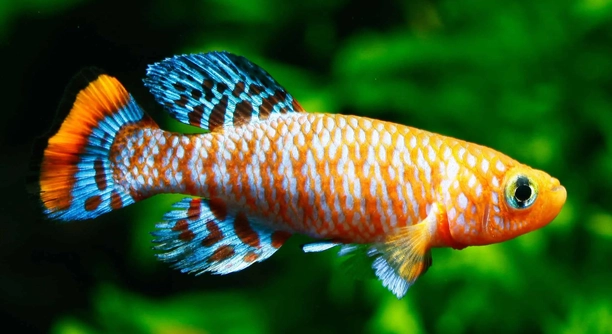
Killi fish are popular for their vibrant colors and unique behaviors. One interesting aspect is their tendency to lay unfertilized eggs, which often puzzles fish keepers. Understanding why this happens can help maintain a healthier aquarium environment.
Killi fish lay unfertilized eggs for several biological and environmental reasons. These include stress, lack of a suitable mate, poor water conditions, nutritional deficiencies, breeding cycle irregularities, and genetic factors affecting reproduction. Each factor impacts egg fertilization success differently.
Recognizing these reasons can improve care strategies and breeding outcomes for killi fish enthusiasts. The following explanations offer insight into this common yet misunderstood behavior.
Stress and Its Impact on Egg Fertilization
Stress plays a significant role in why killi fish lay unfertilized eggs. Factors like sudden changes in water temperature, overcrowding, or aggressive tank mates can cause stress in these fish. When stressed, their bodies prioritize survival over reproduction, which affects egg quality and fertilization rates. Even small disturbances, such as frequent tapping on the aquarium glass or loud noises nearby, can raise their stress levels. Maintaining a calm, stable environment is essential for improving fertilization success. Stress can also weaken their immune system, making them more susceptible to disease, which further affects reproductive health. Watching for signs of stress early can prevent many issues related to unfertilized eggs and keep your killi fish healthier overall.
Stress can prevent eggs from being fertilized by disrupting the fish’s normal reproductive processes. It is important to minimize stressful conditions in the tank to promote healthy breeding.
Taking steps like keeping consistent water parameters, avoiding sudden changes, and providing enough hiding spots helps reduce stress. When fish feel secure and comfortable, they are more likely to mate successfully. Also, separating aggressive individuals can lower tension and increase fertilization chances. A well-planned tank setup and routine care can make a noticeable difference in reducing stress-related issues with egg fertilization.
Lack of a Suitable Mate
Killi fish require a compatible mate to produce fertilized eggs. Without the right partner, females may lay eggs that remain unfertilized. Mating behaviors involve courtship rituals that encourage successful fertilization. If the male is absent, uninterested, or unable to breed due to age or health, the eggs will not be fertilized. Compatibility also includes matching species or strains, as some will not breed with others, leading to unfertilized eggs. Ensuring you have a healthy, compatible breeding pair improves fertilization chances significantly.
A suitable mate is essential for fertilization. Mismatched or unavailable partners result in unfertilized eggs.
Choosing compatible pairs involves researching species compatibility and observing courtship behaviors. Sometimes, introducing new mates gradually can help reduce aggression and increase acceptance. Providing proper nutrition and optimal conditions also encourages mating readiness. When both fish are healthy and ready, fertilization rates improve naturally. Observing their interactions can help identify if the pair is compatible or if changes are needed to encourage breeding success.
Poor Water Conditions
Poor water quality can cause killi fish to lay unfertilized eggs. Contaminants or incorrect pH levels disrupt their reproductive system.
Maintaining clean water with stable parameters is vital for healthy breeding. High levels of ammonia, nitrites, or nitrates can stress fish and interfere with egg fertilization. Frequent water changes and proper filtration help keep the environment safe. Monitoring temperature and pH levels within the recommended range supports reproductive health. Even small fluctuations can negatively impact breeding success.
Algae overgrowth or dirty substrate may also discourage mating behaviors. Regular tank maintenance ensures a healthier habitat, reducing the chance of unfertilized eggs. Clear, fresh water supports both egg development and overall fish well-being, making it easier for the fish to produce fertilized eggs consistently.
Nutritional Deficiencies
A poor diet affects egg fertilization in killi fish. Lack of essential nutrients reduces egg quality and viability.
Feeding a varied diet rich in protein, vitamins, and minerals helps maintain reproductive health. Live foods like brine shrimp or daphnia provide important nutrients that support egg production. Vitamin supplements can also improve fertility. Without proper nutrition, females may lay weaker, unfertilized eggs.
Balanced feeding improves energy levels, encourages natural breeding behaviors, and boosts overall fish vitality. It is important to avoid overfeeding, which can harm water quality and fish health. Offering a nutritious diet tailored to their needs increases the chances of fertilized eggs and healthier offspring.
Breeding Cycle Irregularities
Killi fish have specific breeding cycles that can be disrupted by environmental changes. Irregular cycles may cause eggs to remain unfertilized.
Stress, temperature shifts, or lack of daylight can throw off their natural rhythm. Consistency helps maintain regular breeding cycles and successful fertilization.
Genetic Factors
Genetic problems can affect egg fertilization. Inbreeding or poor genetic diversity may result in eggs that do not develop properly. Healthy breeding pairs with good genetic backgrounds increase fertilization success and reduce risks of reproductive issues.
Environmental Triggers
Certain environmental cues like temperature, light, and seasonal changes trigger breeding. Without these signals, killi fish may lay eggs without fertilizing them. Mimicking natural conditions supports normal breeding behavior and fertilization.
FAQ
Why do killi fish sometimes lay eggs without a male present?
Killi fish females can lay eggs even without a male nearby, but these eggs remain unfertilized. This is a natural part of their reproductive cycle, where egg production occurs regardless of fertilization. The eggs serve as a biological response to readiness to reproduce but need a male for fertilization to occur.
Can unfertilized eggs harm the tank or the fish?
Unfertilized eggs do not directly harm the fish, but leaving them in the tank can lead to water quality issues. As these eggs decay, they may pollute the water, increasing ammonia and nitrate levels. Regular removal of unfertilized eggs helps maintain a clean, healthy environment for all aquatic life.
How can I tell if the eggs are fertilized?
Fertilized eggs typically appear clear or slightly opaque with visible developing embryos inside. Unfertilized eggs often look cloudy, white, or fuzzy due to fungal growth. Monitoring eggs closely in the first few days can help determine their status, allowing timely removal of unfertilized ones.
What water parameters are best for breeding killi fish?
Stable water temperature around 72–78°F (22–26°C), a pH between 6.0 and 7.5, and soft to moderately hard water create ideal breeding conditions. Consistency is crucial; sudden fluctuations can stress fish and reduce fertilization rates. Proper filtration and regular water changes support a healthy environment.
How often do killi fish lay eggs?
Killi fish can lay eggs every few days to weeks, depending on species, age, and environmental conditions. In optimal conditions, females may produce eggs frequently. However, the presence of a healthy male and favorable breeding environment greatly influence egg fertilization and overall reproductive success.
Does diet affect egg fertilization?
Yes, a nutritious diet rich in proteins, vitamins, and minerals is essential for healthy eggs and successful fertilization. Live foods like brine shrimp or daphnia help provide the nutrients necessary to improve fertility. Poor diet often leads to weak or unfertilized eggs.
Can stress cause unfertilized eggs?
Stress negatively impacts reproductive health, leading to unfertilized eggs. Causes of stress include poor water quality, overcrowding, aggressive tank mates, and sudden environmental changes. Reducing stress by maintaining a stable, calm environment improves fertilization chances.
Is it normal for some eggs to remain unfertilized?
It is common for some eggs to remain unfertilized even in ideal conditions. Not all eggs will develop due to natural variability in fish reproduction. Monitoring and maintaining good care practices help maximize fertilization rates, but a small number of unfertilized eggs are expected.
Should I remove unfertilized eggs immediately?
Yes, removing unfertilized eggs helps prevent fungal growth and water contamination. Using a small net or siphon during routine tank maintenance ensures water quality stays high. Leaving unfertilized eggs can increase the risk of illness for your fish.
Can I breed killi fish without special equipment?
Basic aquarium setups with stable water conditions and proper care can support breeding. However, equipment like heaters, filters, and good lighting help maintain ideal parameters. A breeding tank with plants or spawning mops encourages natural behaviors and improves fertilization success.
How do I encourage killi fish to mate?
Providing a stress-free environment, compatible mates, nutritious food, and proper water parameters encourages mating. Mimicking seasonal changes with lighting and temperature can trigger breeding cycles. Observing courtship behaviors helps confirm successful pair bonding.
What happens if eggs are not fertilized for a long time?
If eggs remain unfertilized, females may eventually stop laying them or produce fewer eggs. Prolonged absence of fertilization signals can affect the fish’s reproductive system. Ensuring the presence of a healthy male and optimal conditions supports ongoing successful breeding.
Can genetics cause unfertilized eggs even if conditions are perfect?
Yes, genetic factors like inbreeding or poor gene diversity can lead to eggs not developing properly. Healthy breeding pairs with diverse genetics are important to reduce risks of reproductive failure. Choosing mates carefully improves fertilization and offspring health.
How do I care for fertilized eggs?
Fertilized eggs should be kept in clean, stable water with gentle aeration. Avoid disturbing or moving them too much. Some breeders transfer eggs to separate tanks to protect them from adults. Maintaining water quality and temperature helps ensure healthy embryo development.
What signs indicate successful fertilization?
Fertilized eggs develop visible embryos, and after a few days, tiny movement inside the eggs can be seen. The eggs remain clear and free from fungus. Fry usually hatch within one to two weeks, depending on species and temperature.
Can temperature changes affect fertilization?
Temperature fluctuations can disrupt spawning behavior and egg development. Keeping temperature steady within recommended ranges supports successful fertilization. Sudden drops or rises in temperature increase stress and reduce egg viability.
Are unfertilized eggs a reason to separate males and females?
Separating males and females is usually not necessary to prevent unfertilized eggs. Providing the right conditions and compatible mates encourages fertilization. However, removing males after spawning can protect eggs and prevent harassment.
How long do killi fish eggs take to hatch?
Eggs typically hatch between 7 and 14 days, depending on species and water temperature. Warmer water usually speeds up development, while cooler water slows it down. Monitoring incubation helps ensure proper care.
Is it possible to fertilize eggs artificially?
Artificial fertilization is rarely practiced with killi fish. Natural mating and good husbandry remain the most effective methods. For advanced breeders, manual fertilization techniques require expertise and specialized equipment.
What should I do if the male is not fertilizing the eggs?
If the male shows no interest or fails to fertilize, consider replacing him with a healthier, more compatible mate. Ensure the male is mature, healthy, and unstressed. Improving tank conditions and diet may also help stimulate breeding behavior.
Killi fish laying unfertilized eggs is a common occurrence that can happen for various reasons. Understanding these reasons helps in creating better care conditions and improving breeding success. Factors such as stress, water quality, diet, and the presence of a suitable mate all influence whether eggs get fertilized. While some unfertilized eggs are normal, consistently high numbers may signal an issue that needs attention. Keeping a close eye on the fish and their environment can help identify problems early and lead to more effective solutions.
Maintaining a stable and clean tank environment is one of the most important steps to support healthy reproduction. Stress reduction, proper nutrition, and consistent water parameters improve the chances of fertilized eggs. Providing compatible mates and mimicking natural breeding conditions also encourages successful fertilization. Regular maintenance and observation allow for adjustments to care routines that promote healthier fish and better breeding results. With patience and attention to these factors, many common problems with unfertilized eggs can be minimized or avoided.
In the end, caring for killi fish requires understanding their specific needs and behaviors related to breeding. Unfertilized eggs are part of the natural reproductive cycle but should not be ignored if they become excessive. By focusing on improving environmental conditions and meeting the fish’s biological requirements, it is possible to support successful breeding over time. This approach benefits both the fish’s health and the overall aquarium environment. Consistent care and learning about these fish help create a balanced and thriving habitat for killi fish to reproduce naturally.

Hello,
If you enjoy the content that we create, please consider saying a "Thank You!" by leaving a tip.
Every little bit helps us continue crafting quality advice that supports the health, happiness, and well-being of pets around the world, for pets of all shapes, sizes, and species.
We really appreciate the kindness and support that you show us!