
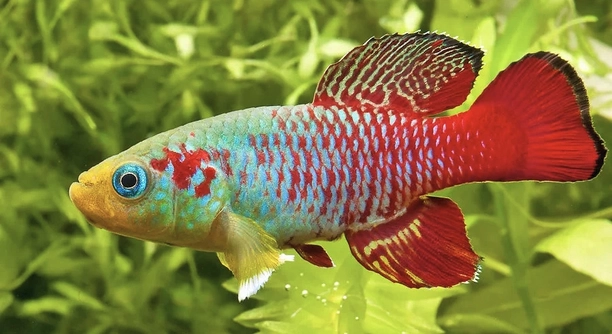
Killi fish are popular among aquarium enthusiasts for their vibrant colors and active behavior. Many keepers want to ensure these fish stay healthy and lively in their tanks. Proper nutrition plays an important role in their overall wellbeing.
Killi fish do not strictly need live food to thrive, but live food significantly improves their health and activity levels. While they can adapt to frozen or prepared foods, live food provides essential nutrients that support growth and breeding success.
Choosing the right diet can make a big difference in your killi fish’s vitality. Understanding their nutritional needs helps keep them thriving in a home aquarium.
Why Live Food Benefits Killi Fish
Live food offers several advantages for killi fish that frozen or dry foods may lack. It mimics their natural diet, encouraging natural hunting behavior and mental stimulation. Nutrients in live food tend to be fresher and more bioavailable, which supports better digestion and nutrient absorption. Additionally, live food often contains essential fatty acids and proteins necessary for vibrant coloration and healthy immune function. Feeding live food can also increase breeding success by promoting stronger, healthier offspring. While it requires more effort to source or culture live food, many killi fish keepers find the benefits outweigh the extra care involved. Including live food regularly helps maintain a balanced and varied diet, which reduces the risk of nutritional deficiencies. Killi fish thrive when their diet reflects their natural eating habits as closely as possible, making live food a valuable component in their feeding routine.
Live food improves killi fish health and activity by providing fresh nutrients and encouraging natural behaviors.
Offering live food is a straightforward way to enhance your fish’s quality of life. It supports their immune system, keeping them less prone to illness. Live prey also stimulates exercise and alertness, which can reduce stress. Even small amounts added to their diet can produce noticeable improvements in color and vitality. For those with limited time, starting with live foods like brine shrimp or daphnia is manageable and effective. Observing your killi fish hunting can be rewarding and helps create a more natural aquarium environment. Gradually combining live food with frozen or prepared options offers a balanced approach, providing both convenience and nutritional benefits.
Alternatives to Live Food for Killi Fish
Killi fish can also thrive on frozen or high-quality prepared foods if live options are not available. Many frozen foods retain good nutrition and are easier to store and handle. It is important to choose products that are appropriate for small carnivorous fish and to vary the diet to cover nutritional needs. Freeze-dried foods can supplement the diet but should not be the only source as they lack some nutrients and moisture. Feeding a mix of frozen bloodworms, brine shrimp, and quality flakes or pellets can support good health. Consistent feeding schedules and portion control help prevent overfeeding and water quality issues. While live food is ideal, prepared diets can sustain killi fish successfully when managed carefully. The goal is to provide sufficient protein and essential nutrients for growth and maintenance.
Frozen and prepared foods offer a practical alternative for feeding killi fish when live food is unavailable.
Providing a diverse diet with frozen and prepared foods requires attention to nutritional balance. Rotate different frozen options and supplement with vitamin-rich flakes or pellets designed for carnivorous fish. Avoid relying solely on one type of food to prevent nutrient gaps. When using frozen food, thaw it properly to maintain texture and nutrient content. Some keepers soak flakes in vitamins or supplements to boost nutrition. Monitor your fish’s condition regularly to ensure they remain active and healthy. Good water quality and proper tank conditions complement a balanced diet, enhancing overall fish wellbeing. While live food remains optimal, alternatives can support thriving killi fish if feeding practices are thoughtful and consistent.
How to Introduce Live Food to Killi Fish
Start by offering small amounts of live food to avoid overwhelming your fish. Use familiar options like brine shrimp or daphnia, which are generally well accepted. Observe how your killi fish respond to the new food and adjust the quantity accordingly.
Introducing live food gradually helps your killi fish adapt without stress. Begin with easy-to-catch prey and place it in the tank during feeding time. This encourages natural hunting and reduces food waste. Keep portions small to prevent leftover food from polluting the water. Monitor the fish closely for any changes in appetite or behavior. Consistency is key, so offer live food regularly but in manageable amounts. This approach allows the fish to benefit from live food’s nutritional advantages while keeping the tank environment stable and clean.
Once your fish become comfortable with live food, you can increase feeding frequency or variety. Culturing your own live food can be cost-effective and ensure freshness. Alternatively, purchase from reliable suppliers to guarantee quality. Maintaining water quality is essential, as live food can sometimes introduce contaminants. Rinse live food before feeding and remove uneaten portions promptly. Balancing live food with frozen or prepared foods offers variety and prevents dietary monotony. A consistent, diverse diet promotes health and vitality in your killi fish.
Common Live Foods Suitable for Killi Fish
Brine shrimp, daphnia, and mosquito larvae are popular live foods for killi fish. These options are rich in protein and easy to obtain or culture at home. They stimulate natural hunting behavior and enhance fish coloration.
Other suitable live foods include blackworms and micro worms, which provide variety and additional nutrients. These foods vary in size, so you can match them to your killi fish’s size and appetite. Offering different live food types helps ensure a balanced diet and prevents boredom. Some keepers also introduce small insect larvae or copepods, which closely resemble natural prey. When sourcing live food, quality is important—avoid foods from polluted sources or those carrying parasites. Proper handling and storage keep live food fresh and safe. Regularly changing live food types supports a healthy and active killi fish population.
Preparing Live Food Safely
Rinse live food thoroughly before feeding to remove dirt and potential contaminants. This step helps keep your aquarium water clean and reduces the risk of introducing diseases to your fish.
Avoid using live food from unknown or untreated sources. Always source from reputable suppliers or culture your own to ensure safety and quality.
Storing Live Food
Live food requires proper storage to stay healthy and nutritious. Keep cultures in clean containers with fresh water, changed regularly, and provide adequate aeration and temperature control to maintain vitality.
Feeding Frequency for Killi Fish
Feeding live food two to three times a week is sufficient for most killi fish. This schedule provides essential nutrients without overfeeding, which can harm water quality and fish health.
Monitoring Fish Health
Watch for changes in activity, color, or appetite when introducing new foods. Promptly address any signs of stress or illness to keep your killi fish thriving.
FAQ
Do killi fish eat only live food?
Killi fish do not eat only live food. While live food is ideal and highly beneficial, they can also eat frozen or prepared foods. Many keepers successfully feed their killi fish high-quality frozen bloodworms, brine shrimp, and pellets designed for carnivorous fish. Live food mimics their natural diet and supports better health, but it is not absolutely required for survival.
Can killi fish eat flakes or pellets?
Yes, killi fish can eat flakes or pellets, but these should be high-quality and designed for carnivorous fish. Flakes or pellets alone may not provide all essential nutrients, so it is better to supplement their diet with live or frozen foods. Using flakes as part of a varied diet can help maintain their nutrition.
What live foods are easiest to culture at home?
Brine shrimp and daphnia are two of the easiest live foods to culture at home. Both require minimal equipment and space. Brine shrimp eggs hatch quickly in saltwater, while daphnia thrive in freshwater cultures. Culturing your own live food saves money and ensures freshness.
Is it okay to feed only frozen food?
Feeding only frozen food is possible, but it may not fully replace the nutritional benefits of live food. Frozen foods like bloodworms and brine shrimp retain most nutrients but lack the stimulation of live prey. Combining frozen food with occasional live feeding is a better practice.
How often should I feed live food to my killi fish?
Feeding live food two to three times per week is usually enough. This frequency provides important nutrients without risking water quality issues. On other days, you can feed frozen or prepared foods to keep the diet balanced.
Will live food improve breeding success?
Yes, live food often improves breeding success in killi fish. The nutrients and stimulation from hunting live prey help condition the fish for spawning. Healthy diets with live food encourage better egg production and stronger fry.
Can live food introduce diseases to the tank?
Live food can introduce diseases or parasites if not sourced or prepared carefully. Rinse live food before feeding, and avoid collecting wild specimens from unknown waters. Using reputable suppliers or culturing your own reduces risks significantly.
How do I store live food properly?
Store live food in clean containers with fresh water and appropriate aeration. Change the water regularly to keep cultures healthy. Maintain suitable temperature and light conditions depending on the species being cultured. Proper storage ensures live food stays nutritious.
What should I do if my killi fish refuse live food?
If your killi fish refuse live food, try smaller or different types of prey, such as baby brine shrimp or micro worms. Gradually mix live food with frozen or prepared options to encourage acceptance. Patience is key, as some fish take time to adjust.
Can I feed live food to juvenile killi fish?
Yes, live food is especially important for juvenile killi fish. It supports rapid growth and development. Smaller live foods like microworms or baby brine shrimp are ideal for fry and young fish to ensure proper nutrition.
Are there any risks to overfeeding live food?
Overfeeding live food can lead to poor water quality and obesity in killi fish. Uneaten food decomposes quickly, increasing ammonia and waste. Feed small amounts and remove leftovers to maintain a clean tank and healthy fish.
Can live food be fed alongside other foods?
Live food can and should be fed alongside frozen and prepared foods. A varied diet provides a broader range of nutrients and reduces dietary gaps. Rotating foods also keeps fish interested and encourages natural feeding behavior.
Is live food necessary for all killi fish species?
Not all killi fish species require live food, but most benefit from it. Some species are more adaptable and accept prepared diets, while others thrive best with live prey. Research your specific species to tailor feeding practices for their needs.
Final Thoughts
Killi fish can live well on a variety of foods, but including live food in their diet offers clear advantages. Live food provides fresh nutrients and encourages natural hunting behaviors that help keep the fish active and healthy. While they can adapt to frozen and prepared foods, live food often supports better growth, coloration, and breeding success. For those who want their killi fish to thrive, adding live food regularly is a good way to boost their overall wellbeing.
Feeding live food does require some extra effort and care. It is important to source live food from safe and reliable places or culture it at home to avoid introducing diseases. Rinsing live food before feeding and managing portion sizes also help maintain water quality and reduce waste. For keepers with limited time, combining live food with frozen or high-quality prepared foods offers a practical balance. This approach allows killi fish to benefit from live food’s nutritional value without overwhelming the tank maintenance routine.
Ultimately, the best diet for killi fish depends on the keeper’s ability to provide varied and nutritious food while maintaining good tank conditions. Watching how the fish respond to different foods can guide feeding choices. Keeping live food as part of their diet supports natural behavior and helps maintain their health in captivity. With proper care, killi fish can remain vibrant, active, and healthy for many years.

Hello,
If you enjoy the content that we create, please consider saying a "Thank You!" by leaving a tip.
Every little bit helps us continue crafting quality advice that supports the health, happiness, and well-being of pets around the world, for pets of all shapes, sizes, and species.
We really appreciate the kindness and support that you show us!