
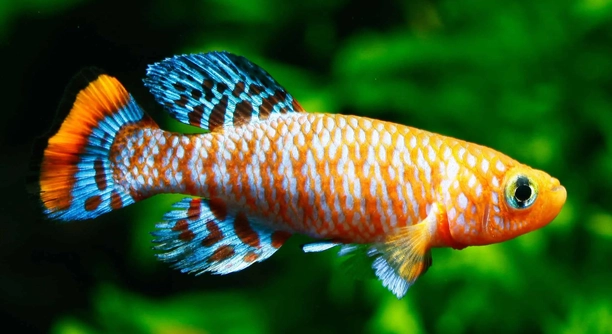
Killi fish are popular among aquarium lovers for their vibrant colors and small size. Many fishkeepers want to provide the best care for them, including feeding choices. Understanding their diet is important for their health and happiness.
Killi fish do not strictly need live food to thrive, but live food can enhance their nutrition and natural behavior. A varied diet including live, frozen, and high-quality dry foods supports optimal growth and well-being in these fish.
Knowing the right feeding approach will help keep your killi fish healthy and active. This article will guide you through what works best for their diet and care.
What Live Food Offers to Killi Fish
Live food provides important nutrients and stimulates natural hunting behavior in killi fish. Common live foods include brine shrimp, daphnia, and mosquito larvae. These foods are rich in protein and essential fats that support growth and vibrant colors. Killi fish also enjoy the movement of live prey, which encourages exercise and mental stimulation. Feeding live food occasionally mimics their diet in the wild, helping them stay active and healthy. However, relying solely on live food can be risky if the supply is inconsistent or contaminated.
Besides nutrition, live food can improve breeding success. Many killi fish species respond well to live food during spawning, as it signals an ideal environment for raising fry. Still, variety is key; combining live food with frozen or dry options ensures balanced nutrition. This approach prevents nutrient deficiencies and maintains fish health over time.
To keep live food safe, buy from reputable sources or culture it yourself. Proper care reduces the risk of disease and parasites, protecting your killi fish and their tank environment.
Feeding Frequency and Portion Control
Killi fish should be fed small amounts multiple times a day. Overfeeding can lead to water quality problems and health issues.
Offering food in controlled portions ensures they get enough nutrients without waste. Killi fish have small stomachs and digest food quickly, so frequent, moderate feeding is best. Adjust amounts based on how quickly they eat, removing leftovers promptly. This helps keep your tank clean and your fish healthy.
Dry Food Options for Killi Fish
Dry foods like flakes and pellets are convenient and provide balanced nutrition. They are often fortified with vitamins and minerals to support health.
High-quality dry foods can be a staple in your killi fish’s diet, but they should not be the only source. Some brands are specifically formulated for carnivorous or omnivorous fish, making them suitable for killi fish. Using dry food helps maintain water quality since it usually causes less waste than live food. However, dry food alone may lack certain nutrients or fail to stimulate natural hunting instincts.
To keep your killi fish interested, alternate dry food with live or frozen options. This mix ensures they get all the nutrients they need while preventing boredom during feeding times. So, having a variety of food types is beneficial for their overall well-being.
Preparing and Storing Live Food Safely
Proper preparation of live food reduces the risk of introducing diseases to your aquarium. Rinse live food thoroughly before feeding.
If you culture live food at home, monitor water quality closely and avoid overfeeding cultures. Store frozen live food in a freezer and thaw it properly before offering it to your fish. Use frozen food quickly to maintain freshness and nutritional value. Avoid using live food from unknown or unreliable sources, as it may carry parasites or harmful bacteria. Safe handling keeps your killi fish healthy and your tank environment stable.
Signs of a Healthy Diet in Killi Fish
Healthy killi fish show bright colors and active behavior. Their fins should be intact and free from damage.
Regular feeding with varied food helps maintain good appetite and consistent growth. Watch for clear eyes and smooth scales as signs of proper nutrition.
Risks of Feeding Only Live Food
Feeding only live food can introduce parasites or bacteria to your tank. It may also lead to nutrient imbalances if the diet is not varied. Relying solely on live food increases the chance of disease outbreaks and poor water quality.
Alternatives to Live Food
Frozen foods like bloodworms and brine shrimp offer similar nutrition without some risks of live food. High-quality pellets and flakes provide a reliable base diet. Mixing these options gives your killi fish balanced nutrition safely.
Monitoring Your Fish’s Response
Observe how your killi fish react to different foods. Adjust feeding habits based on their behavior and health to keep them thriving.
FAQ
Do killi fish need live food every day?
Killi fish do not require live food every day to stay healthy. While live food provides important nutrients and encourages natural behavior, a well-balanced diet that includes frozen and dry foods can meet their needs. Feeding live food a few times a week is enough to keep them active and healthy.
Can killi fish eat only dry food?
Killi fish can survive on high-quality dry food alone, but this is not ideal for their long-term health. Dry foods are convenient and nutritious but may lack some nutrients found in live or frozen food. Including a variety of food types improves their diet and overall well-being.
Is it safe to feed wild-caught live food?
Feeding wild-caught live food is risky because it may carry parasites or harmful bacteria. It’s safer to buy from trusted sources or culture live food at home under controlled conditions. Proper care reduces the chance of introducing diseases to your aquarium.
How often should I feed my killi fish?
Feeding small amounts two to three times daily works best for killi fish. They have small stomachs and digest food quickly, so frequent, moderate feedings prevent overeating and water pollution. Always remove uneaten food to keep the tank clean.
What are the best live foods for killi fish?
Brine shrimp, daphnia, and mosquito larvae are excellent live food choices. These options are rich in protein and easy for killi fish to catch and eat. Using a variety of live foods can help provide balanced nutrition and keep feeding interesting.
Can killi fish eat frozen food?
Yes, frozen foods like bloodworms and brine shrimp are a good alternative to live food. They offer similar nutrients and are safer because they are less likely to introduce diseases. Thaw frozen food properly before feeding for best results.
How can I tell if my killi fish is getting enough food?
Healthy killi fish are active and show good color. They eat eagerly during feeding and grow steadily. If your fish ignore food or seem lethargic, adjust the feeding amount or type. Overfeeding or underfeeding can cause health problems.
Is it necessary to change the diet when breeding killi fish?
Yes, offering live food more often during breeding can improve spawning success. Live food encourages natural behaviors and provides extra nutrition needed for egg production and fry development. Keep diet varied to support breeding and overall health.
What should I avoid feeding my killi fish?
Avoid feeding killi fish fatty or processed human foods, as these can harm their digestion and health. Also, do not rely solely on one food type, especially if it lacks variety. Poor-quality food can lead to nutritional deficiencies and disease.
How do I store live and frozen food properly?
Store live food cultures in clean containers with good water quality, feeding them regularly. Frozen food should be kept in the freezer and used quickly after thawing to maintain freshness. Proper storage prevents contamination and preserves nutrients.
These answers help clarify common concerns about feeding killi fish. Providing a balanced diet with a mix of live, frozen, and dry foods supports their health and happiness. Observing your fish and adjusting their food will keep them thriving in your care.
Killi fish are small but vibrant fish that need proper care to stay healthy. Feeding them well is an important part of this care. While live food offers many benefits, it is not absolutely necessary for them to thrive. A mix of live, frozen, and dry foods provides balanced nutrition and keeps your killi fish active and healthy. Each type of food brings something different to the table, helping to cover all their dietary needs. By paying attention to their diet, you help ensure they live a longer and happier life.
It is important to remember that variety matters. Feeding only live food or only dry food can cause problems over time. Live food supports natural behavior and provides important nutrients. Frozen food is a safer alternative with similar benefits. Dry food offers convenience and balanced vitamins but may not excite your fish as much. By combining these foods, you give your killi fish the nutrients they need without risking their health or the cleanliness of the tank. Feeding small amounts several times a day also helps keep their digestive system working well and prevents overfeeding.
Taking care of live food properly and choosing good quality frozen or dry food are also key steps. Unsafe live food can introduce diseases, so it’s better to buy from trusted sources or culture your own carefully. Frozen and dry foods should be stored well to keep their quality. Watching your fish’s behavior and condition helps you know if they are getting the right amount and type of food. Paying attention to these details will help your killi fish thrive and make your aquarium a lively, colorful place. Feeding with care is one of the best ways to enjoy your killi fish for a long time.

Hello,
If you enjoy the content that we create, please consider saying a "Thank You!" by leaving a tip.
Every little bit helps us continue crafting quality advice that supports the health, happiness, and well-being of pets around the world, for pets of all shapes, sizes, and species.
We really appreciate the kindness and support that you show us!