
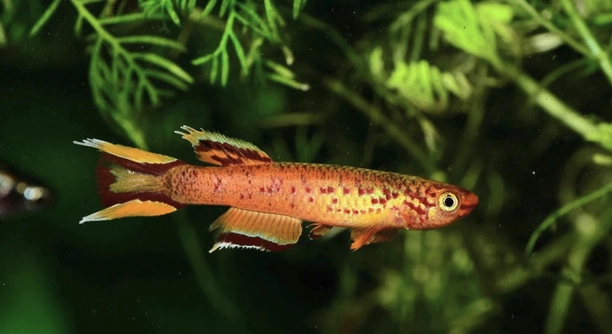
Killi fish are small, colorful freshwater fish often kept in home aquariums. Many fish owners enjoy watching their unique behaviors and wonder about the fish’s ability to learn. These little creatures can bring a lot of joy to a tank.
Killi fish have limited capacity for training compared to mammals or birds. While they can recognize feeding times and simple stimuli, their cognitive skills restrict complex training or tricks. Their behavior is mostly driven by instinct and environmental cues rather than learned responses.
Understanding what killi fish can and cannot learn helps create better care routines and enriches their environment naturally. This knowledge can improve the experience for both fish and owners alike.
Understanding Killi Fish Behavior
Killi fish are known for their vibrant colors and quick movements. They live in small pools and streams, where their survival depends on reacting fast to changes in their surroundings. This instinctive behavior shapes how they interact with their environment. Unlike pets such as dogs or cats, killi fish don’t have a strong desire to bond or follow commands. Instead, they respond mostly to basic needs like food, safety, and suitable water conditions. When kept in an aquarium, they may learn to recognize feeding times or associate a tapping sound with food arrival. However, their learning is limited to simple patterns. Their nervous system and brain structure are quite small, which restricts their ability to remember or perform complex actions. Understanding these natural limits helps set realistic expectations about what they can learn and how to care for them properly.
Killi fish mainly rely on instincts, making training efforts mostly about conditioning rather than teaching tricks.
Proper care and stimulation that mimic their natural habitat keep killi fish healthy and engaged. Maintaining a stable environment with plants and hiding spots encourages natural behaviors. Feeding them consistently helps build a routine they can recognize. Over time, they may respond to specific cues, like approaching when food is nearby. This is less about training and more about their natural response to survival needs. Unlike larger pets, they won’t perform tricks or obey commands but can show signs of recognition and comfort in a well-maintained tank. Patience and observation are key to understanding their subtle behaviors and ensuring their well-being.
Simple Conditioning Techniques
Killi fish can learn to associate simple signals with feeding, but this is about conditioning, not training.
Repeated exposure to a specific stimulus, like tapping the tank before feeding, can help killi fish recognize a pattern. This type of learning is called classical conditioning. When the fish connect the tapping with food, they may swim toward the sound in anticipation. The process requires consistency over time. Unlike animals that learn commands, killi fish respond automatically to cues tied to their basic needs. This method does not involve complex thought or decision-making but helps create a routine they can predict. Conditioning can make feeding times smoother and encourage the fish to come to certain areas of the tank. While this is the closest to training you can get with killi fish, it’s important to remember they cannot perform tricks or follow commands. Their natural behaviors and survival instincts dominate their learning abilities.
Signs That Killi Fish Are Learning
Killi fish show simple signs of learning through repeated exposure to their environment. They may come closer when they see you approaching or react to specific sounds linked to feeding. These behaviors show their ability to recognize patterns but not complex commands.
When killi fish recognize feeding cues, they often swim toward the surface or a certain spot in the tank. This response is based on survival instincts and conditioned behavior rather than conscious learning. Over time, they connect actions like tapping or hand movements to food delivery. However, this recognition is limited and doesn’t mean they understand more complicated tasks. Their brain size and natural instincts keep their learning straightforward and basic. These small fish are better at adapting to their environment than performing tricks or following detailed instructions.
Observing these behaviors can help owners know when their killi fish feel comfortable and safe. It also offers a way to interact more meaningfully, even if training in the usual sense isn’t possible.
Benefits of Conditioning Killi Fish
Conditioning killi fish improves feeding routines and reduces stress in the aquarium. It helps create a predictable environment for the fish, which supports their health and well-being.
By conditioning, fish come to expect food at certain times and from specific cues. This reduces anxiety and prevents erratic swimming or hiding during feeding. A stable routine makes it easier to monitor their eating habits and overall health. Conditioning also encourages fish to be more active, improving their natural behavior and exercise. While it isn’t training in the traditional sense, conditioning helps killi fish feel more secure and connected to their environment, making the aquarium a better place for them to thrive.
Common Misunderstandings About Training Killi Fish
Many people expect killi fish to learn tricks like larger pets, which is unrealistic. Their learning is limited to simple conditioning and pattern recognition, not complex training.
It’s important to focus on creating a good environment instead of expecting obedience or advanced behaviors.
How Environment Impacts Learning
A stable and enriched environment supports better conditioning in killi fish. Plants, hiding spots, and consistent water conditions reduce stress, making fish more responsive to feeding cues. Stress-free fish show clearer signs of recognizing patterns, which is the closest to training they can achieve.
Tips for Encouraging Conditioning
Consistency in feeding times and cues helps killi fish develop recognition. Using the same sound or movement before feeding can improve their response over time.
FAQ
Can killi fish really learn to come when called?
Killi fish do not respond to calls like dogs or other pets. However, they can learn to associate a specific stimulus, like tapping the tank or shaking food containers, with feeding time. Over time, they may swim toward the source of that stimulus, showing conditioned behavior rather than true “coming when called.”
How long does it take for killi fish to recognize feeding cues?
The time can vary, but usually, after several consistent feedings paired with a specific signal, killi fish start to respond within a week or two. Repetition is key—feeding at the same time and using the same cue helps reinforce the connection.
Can I teach my killi fish tricks or behaviors?
Due to their limited brain capacity and natural instincts, killi fish cannot learn tricks like jumping through hoops or performing flips. Their learning is restricted to simple conditioning, like recognizing feeding signals. Expecting more complex behaviors is unrealistic.
What are the best ways to encourage conditioning in killi fish?
Consistency and patience are the best tools. Use a distinct signal—like tapping the glass or turning on a light—immediately before feeding. Feed at regular times daily. Over time, the fish will learn to associate the signal with food and respond accordingly.
Is conditioning stressful for killi fish?
If done gently and consistently, conditioning is not stressful. In fact, it can reduce stress by creating a predictable routine. Sudden changes or loud noises, however, can scare them. Always keep signals calm and avoid startling movements.
Do all killi fish species have the same ability to learn?
Most killi fish species have similar cognitive abilities because of their comparable brain structure and behavior. While minor differences might exist, conditioning and learning patterns generally remain consistent across species.
Can killi fish recognize their owners?
Killi fish do not recognize individuals like mammals do. They may become familiar with your presence and associate you with feeding, but this is based on routine rather than personal recognition.
How can I tell if my killi fish is stressed?
Signs include hiding more than usual, loss of appetite, erratic swimming, or color fading. Stress can limit their ability to respond to conditioning, so maintaining good water quality and a calm environment is crucial.
Is it possible to overfeed killi fish when conditioning them?
Yes, overfeeding can happen if you focus too much on training or conditioning. Feed small amounts that the fish can eat within a few minutes. Maintaining proper feeding habits keeps them healthy and responsive.
Can conditioning improve killi fish health?
Conditioning encourages regular feeding and activity, which supports health. Predictable routines reduce stress, helping the immune system stay strong. While conditioning doesn’t replace good water care or diet, it complements proper fishkeeping.
What if my killi fish doesn’t respond to conditioning?
Some fish may be less responsive due to stress, illness, or tank conditions. Check water parameters, tank setup, and health status. Patience and consistency are important; sometimes fish take longer to adjust.
Are there tools to help with conditioning?
Simple tools like small tapping sticks or timers for feeding can help create consistent signals. Avoid loud or startling devices. Gentle, predictable cues work best.
Can conditioning help with tank behavior?
Conditioning feeding cues can reduce aggressive or hiding behaviors by creating a calming routine. It doesn’t change natural instincts but can make fish feel more secure in their space.
Is conditioning common among other small fish?
Yes, many small fish can be conditioned to respond to feeding signals. Killi fish are similar in this regard, responding mostly to simple, repeated cues rather than complex learning tasks.
How do I start conditioning my killi fish?
Begin by choosing a clear, gentle cue before feeding, like tapping the tank lightly or turning on a light. Repeat this cue consistently right before feeding at the same time each day. Watch for their response and be patient.
Does tank size affect conditioning?
A calm, well-maintained tank with hiding spots encourages natural behavior and reduces stress, helping conditioning. Overcrowded or poor water conditions make fish less likely to respond to cues. Tank size matters mainly in providing a healthy environment.
Can conditioning reduce fish aggression?
While it can’t eliminate natural aggression, a stable routine reduces stress-related aggression. Fish that feel secure and well-fed tend to be less aggressive overall.
Is there a difference in conditioning wild-caught vs. captive-bred killi fish?
Wild-caught killi fish may take longer to adjust and respond due to stress and unfamiliarity with captivity. Captive-bred fish are usually more accustomed to human presence and feeding routines, making conditioning easier.
What is the best feeding schedule for conditioning?
Feeding once or twice a day at consistent times works well. Avoid random feeding to build clear expectations. Consistency helps fish recognize patterns and respond to cues faster.
Can I use feeding cues to train killi fish for tank cleaning or maintenance?
Indirectly, yes. Using feeding cues can encourage fish to move to certain areas during cleaning, making maintenance easier. This requires patience and gentle handling to avoid stress.
Killi fish are fascinating little creatures with simple needs and natural instincts. They don’t learn or behave like larger pets, but they can recognize basic patterns, especially around feeding time. This limited ability to condition themselves to signals, such as tapping or shaking food containers, helps create a routine that benefits both the fish and their owners. While it may be tempting to expect more advanced training, understanding their natural limits leads to a better relationship with these fish. Accepting that they respond mainly to instinct and simple conditioning can make caring for them easier and more rewarding.
Providing a stable and comfortable environment plays a big role in how well killi fish respond to conditioning. Keeping their tank clean, maintaining consistent water parameters, and adding plants or hiding places reduce stress and encourage natural behaviors. Fish that feel safe are more likely to notice and react to feeding cues. This kind of care supports their health and helps build a predictable routine they can recognize. Conditioning, in this sense, is less about training and more about helping the fish feel secure and comfortable in their home.
In the end, patience and observation are the best tools for caring for killi fish. Watching how they react to feeding cues or environmental changes can teach a lot about their behavior and needs. While you won’t be able to teach them tricks or commands, creating a calm, consistent environment benefits their well-being. Learning to appreciate the small ways killi fish show recognition and adapting care accordingly can make keeping them a pleasant and fulfilling experience.

Hello,
If you enjoy the content that we create, please consider saying a "Thank You!" by leaving a tip.
Every little bit helps us continue crafting quality advice that supports the health, happiness, and well-being of pets around the world, for pets of all shapes, sizes, and species.
We really appreciate the kindness and support that you show us!