
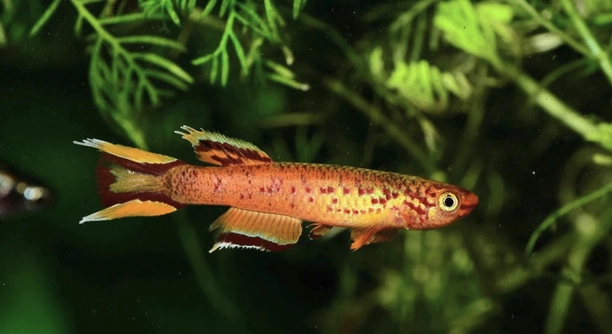
Killi fish are popular among aquarium hobbyists for their vibrant colors and interesting behaviors. Many people enjoy breeding them but want to know how long their eggs take to hatch. Understanding this timeline helps in caring for the eggs properly.
Killi fish eggs typically take between 14 to 21 days to hatch, depending on water temperature and species. Warmer water speeds up development, while cooler conditions can delay hatching. Consistent care and stable conditions are crucial for successful hatching.
Knowing the hatching timeline can improve how you manage your killi fish eggs and increase the chances of healthy fry. This article will guide you through what to expect and how to care for the eggs during this time.
Factors That Affect Killi Fish Egg Hatching Time
Several factors influence how long it takes for killi fish eggs to hatch. Temperature is the most important one. Warmer water, usually around 24-26°C (75-79°F), speeds up the hatching process. Cooler water can slow development and extend the time it takes for eggs to hatch. Water quality also plays a role. Clean, well-oxygenated water helps eggs develop properly. Poor conditions may cause delays or even egg loss. Different killi fish species have slightly varied hatching times, so it’s helpful to know the specific species you are breeding. Light exposure can also affect eggs; some species prefer dim conditions to avoid stress. Lastly, the age of the breeding pair might impact egg quality and hatching success. Keeping these factors in mind will help you create the best environment for your eggs and improve hatch rates.
Temperature and water quality remain the top priorities for successful egg hatching in killi fish. Maintaining these conditions will promote steady embryo growth.
Properly adjusting temperature and maintaining clean water can make the difference between slow development and healthy, timely hatching. Observing your eggs closely during this time will help you respond quickly if issues arise. Some breeders use gentle aeration to keep water oxygen-rich, which is beneficial. Avoid sudden changes in water conditions, as eggs are sensitive to stress. By paying attention to these details, you increase the chances of your killi fish eggs hatching within the expected timeframe. This care also supports the health of the fry once they emerge, giving them a better start in life.
Caring for Killi Fish Eggs Before Hatching
Handling killi fish eggs requires patience and attention. It’s important to keep the eggs in stable conditions without disturbing them too much. Gently removing unfertilized or fungus-infected eggs early can prevent problems from spreading. Avoid touching eggs with bare hands to reduce the risk of damage or contamination. Many breeders use a small brush or soft tool to move eggs if necessary. Providing a gentle current or airflow can help keep water moving around the eggs, improving oxygen supply. Consistent water changes with dechlorinated water support a healthy environment. It’s best to keep the tank dimly lit to reduce stress on the developing embryos. Staying calm and careful during this stage will improve your chances of seeing healthy fry hatch successfully.
Keeping the eggs safe and stable during this stage sets the foundation for successful hatching and healthy fish growth.
Taking the time to monitor and maintain the right conditions, while minimizing disturbance, is key. Watching for any signs of fungus or discoloration helps catch issues early. If fungus appears, treatments are available but should be used cautiously. Remember that patience is vital since rushing or stressing the eggs can cause harm. By following these simple steps, you give your killi fish eggs the best environment possible before they hatch, leading to a more rewarding experience as the tiny fish begin to grow.
How to Know When Killi Fish Eggs Are Ready to Hatch
Killi fish eggs change in appearance as they near hatching. They become more transparent, and you may start to see tiny movements inside. The dark embryo will grow until it fills most of the egg.
Watching the eggs daily helps you notice these changes. The egg’s color often shifts from opaque to clear, showing the developing fish inside. Small flickers or twitching movements signal the fry are almost ready. When the eggs darken fully and movement increases, hatching is imminent. This stage usually happens near the end of the 14 to 21-day period but depends on water temperature and species.
It’s important to avoid disturbing the eggs during this time. Hatching can take several hours or even a day, so patience is necessary. If conditions remain stable, the fry will emerge naturally and swim off once ready. Removing eggs too early or handling them roughly can cause damage or delay hatching.
What to Do After Killi Fish Eggs Hatch
Once the eggs hatch, the fry will stay near the surface or cling to plants for a few days. They rely on their yolk sacs for nutrition before they start feeding. It’s essential to keep water conditions stable and clean during this period.
Feeding should begin as soon as the fry’s yolk sacs are absorbed, usually 3 to 5 days after hatching. Start with tiny live foods such as infusoria, microworms, or newly hatched brine shrimp. These foods are small enough for the fry to eat and provide good nutrition for growth. Gradually introduce larger foods as the fry grow. Maintaining excellent water quality is crucial since young fry are very sensitive to pollutants or sudden changes. Frequent small water changes and gentle filtration help keep their environment healthy.
Handling the fry carefully and avoiding overcrowding improves survival rates. Providing plenty of hiding spots with plants or spawning mops gives the young fish a safe space to grow. Proper care during these first weeks lays the foundation for strong, healthy adult killi fish.
Common Problems During Killi Fish Egg Development
Fungus is one of the most common issues affecting killi fish eggs. It appears as white, cottony patches that can quickly spread and harm the embryos. Fungus thrives in poor water conditions or if eggs are damaged.
Another frequent problem is eggs failing to develop or turning cloudy. This usually means the eggs were not fertilized or there is low oxygen in the water. Removing affected eggs promptly helps protect the healthy ones from contamination.
Temperature’s Role in Egg Development
Temperature directly influences the speed of egg development. Higher temperatures generally shorten the hatching period, while lower temperatures extend it. Most killi fish eggs hatch best around 24-26°C (75-79°F). Sudden temperature changes can stress embryos and reduce hatch rates. Keeping the tank at a stable, appropriate temperature supports healthy growth.
Feeding Newly Hatched Fry
Newly hatched killi fish fry need very small foods like infusoria. Proper nutrition helps them grow strong during their first days of life.
How long do killi fish eggs usually take to hatch?
Killi fish eggs generally take between 14 and 21 days to hatch. The exact time depends mainly on water temperature and the species. Warmer water speeds up development, while cooler water slows it down. Consistent water conditions also affect how quickly the eggs hatch.
What temperature is best for hatching killi fish eggs?
The ideal temperature range for killi fish egg development is about 24 to 26°C (75 to 79°F). Temperatures in this range promote steady embryo growth and timely hatching. Temperatures outside this range can delay hatching or cause health problems for the eggs.
How can I tell if killi fish eggs are fertilized?
Fertilized eggs tend to be clear or slightly translucent with visible developing embryos inside. You may see small dark spots or movement as the embryos grow. Unfertilized eggs usually appear cloudy, white, or opaque and do not develop further.
What should I do if fungus appears on the eggs?
If you notice white, fuzzy patches on the eggs, this indicates fungus. It’s best to remove the affected eggs carefully to prevent the fungus from spreading. Maintaining good water quality and gentle aeration can help prevent fungus from forming in the first place.
Can I move the eggs to another tank?
Yes, but with caution. Eggs are sensitive to sudden changes, so make sure the new tank matches the water conditions of the original one, especially temperature and cleanliness. Handle eggs gently and avoid direct contact with your hands to prevent damage or contamination.
Do killi fish parents care for their eggs?
Most killi fish species do not care for their eggs after spawning. In fact, some may eat the eggs if left together. It’s common to remove eggs from the breeding tank to protect them until they hatch.
How often should I change the water while the eggs are developing?
Regular small water changes every two to three days help maintain water quality without stressing the eggs. Use dechlorinated water at the same temperature as the tank to avoid shocks. Avoid large or frequent changes that could disturb the eggs.
What do newly hatched killi fish fry eat?
For the first few days, fry rely on their yolk sacs for nutrition. Once absorbed, they need very small live foods like infusoria, microworms, or newly hatched brine shrimp. These tiny foods provide essential nutrients for growth and development.
How long after hatching should I start feeding the fry?
Feed the fry once their yolk sacs are fully absorbed, usually 3 to 5 days after hatching. Starting feeding too early can harm them, and waiting too long may cause them to weaken.
Can I use commercial fish food for killi fish fry?
Commercial foods are generally too large and not nutritious enough for very young fry. Live foods or specially prepared fry food are best during the early days. As they grow, you can gradually introduce finely crushed flakes or pellets.
Why are some eggs not hatching?
Unfertilized eggs, poor water conditions, low oxygen, or fungal infections can prevent eggs from hatching. Temperature fluctuations and contamination also play a role. Removing unhealthy eggs quickly improves the chances for the healthy ones.
How can I prevent eggs from fungus?
Good water quality, stable temperature, and proper aeration help prevent fungus. Removing dead or unhealthy eggs as soon as possible reduces the chance of fungus spreading to healthy eggs.
Is it normal for hatching to take several hours?
Yes, hatching can take hours or even a full day. Fry gradually break free from the eggshells during this time. Avoid disturbing the eggs to allow the process to finish naturally.
What signs show that fry are healthy after hatching?
Healthy fry are active, swim freely, and begin feeding shortly after absorbing their yolk sacs. Their bodies are clear or lightly colored with no deformities. Poorly developed or weak fry may appear sluggish or misshapen.
Can I keep fry with adult killi fish?
It’s usually best to keep fry separate from adults. Adult killi fish may eat the young fish. Providing a separate rearing tank ensures the fry have a better chance to grow safely.
How long until the fry look like adult killi fish?
Fry begin to resemble adults after several weeks of growth, depending on the species and care. They develop coloration and fins gradually over time, becoming fully mature in a few months. Good feeding and water conditions speed up healthy development.
Killi fish eggs require careful attention during their development to hatch successfully. Understanding how long the eggs take to hatch helps in preparing the right environment and care. Typically, the eggs hatch within two to three weeks, but this can vary based on water temperature, species, and overall conditions. Keeping the water clean and stable, and avoiding sudden changes, supports the best chances for healthy eggs and fry. Watching the eggs regularly for signs of fungus or damage allows you to take quick action if problems arise.
Once the eggs begin to hatch, patience is important because the process can take several hours or even a full day. During this time, the fry rely on their yolk sacs for nutrition before they start feeding. Providing the right food at the right time, such as infusoria or other tiny live foods, helps the young fish grow strong. It is also best to keep the fry in a safe environment, separate from adult fish that might harm them. Offering plenty of hiding spots helps reduce stress and encourages healthy development.
In summary, caring for killi fish eggs takes consistency and attention to detail. By maintaining proper temperature, water quality, and gentle handling, you improve the chances of a successful hatch. Knowing when to start feeding and how to protect the fry ensures they grow into healthy adults. Taking these steps makes the process smoother and more rewarding, allowing you to enjoy the unique beauty and behavior of killi fish throughout their life stages.

Hello,
If you enjoy the content that we create, please consider saying a "Thank You!" by leaving a tip.
Every little bit helps us continue crafting quality advice that supports the health, happiness, and well-being of pets around the world, for pets of all shapes, sizes, and species.
We really appreciate the kindness and support that you show us!