
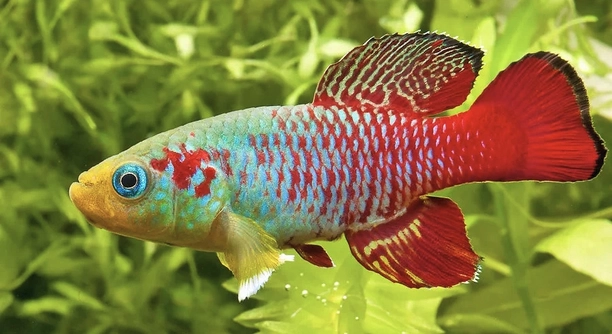
Many killi fish owners enjoy their vibrant tanks but sometimes face unpleasant smells that can affect their experience. A smelly tank is a common issue that often signals underlying problems in the aquarium environment. Knowing the causes helps maintain a clean and healthy space for your fish.
The main reasons a killi fish tank smells bad include poor water quality, overfeeding, decaying food, inadequate filtration, buildup of waste, lack of regular cleaning, and overcrowding. These factors create conditions that promote bacterial growth and unpleasant odors.
Understanding these causes will help you keep your tank fresh and inviting. Addressing these issues early ensures a better environment for your killi fish to thrive.
Poor Water Quality
Poor water quality is often the main cause of bad smells in a killi fish tank. When water is not changed regularly, waste products and chemicals build up, leading to a foul odor. Fish produce ammonia, which is toxic and smells unpleasant if not broken down properly by beneficial bacteria. Without proper filtration and water changes, these harmful substances accumulate. This creates a stressful environment for your fish and makes the tank smell bad. Regular testing of water parameters like ammonia, nitrite, and nitrate levels helps keep the water safe and fresh. Keeping a routine for water changes is essential to maintain a healthy balance. Using a good filtration system helps remove debris and breaks down waste, preventing odors. Clean water not only smells better but also supports your killi fish’s health and wellbeing, making your aquarium a more enjoyable place to watch.
Maintaining water quality means testing regularly and changing water every week or two. This keeps the tank fresh and your fish happy.
Setting up a schedule for water changes and testing can make a big difference. Even small tanks need attention to keep water clean. Using water conditioners can also help remove harmful chemicals. Avoid overusing treatments, as they may harm beneficial bacteria. If your water tests show high ammonia or nitrite, do more frequent changes until levels drop. Remember that a clean tank often means a smell-free tank. Keeping a log of water parameters and cleaning tasks can help stay organized and proactive about tank care.
Overfeeding and Leftover Food
Overfeeding is a common problem that quickly leads to bad smells in the tank. When fish get more food than they can eat, the excess sinks to the bottom and begins to rot. This decaying food releases foul odors and pollutes the water. Feeding your killi fish only what they can eat in a few minutes helps prevent leftover food from accumulating. It also keeps water cleaner and fish healthier. Removing uneaten food quickly after feeding stops odor buildup. Using feeding tools like small spoons or tongs helps control portions. Overfeeding not only causes smells but also stresses your fish, as poor water quality can result. Watching your fish during feeding times lets you adjust portions as needed. A balanced feeding routine is key to a fresh-smelling tank.
Leftover food decomposes and causes water pollution, leading to unpleasant tank smells. Feeding less prevents this issue.
If leftover food is left in the tank, it breaks down and causes bacteria to grow. This process creates bad smells and harms water quality. Regularly removing uneaten food and feeding smaller amounts can help keep the tank clean. You might find that feeding your fish once a day or every other day is enough. Pay attention to how much your fish actually eat and adjust portions to avoid waste. It may take some trial and error, but less food means less odor and better water. Keeping the tank clean and feeding properly helps maintain a healthy environment for your killi fish and reduces smells effectively.
Inadequate Filtration
Filtration is crucial to keep your killi fish tank clean and odor-free. Without a good filter, waste and debris build up quickly.
A filter removes solid waste, breaks down harmful chemicals, and helps maintain clear water. If your filter is too small or clogged, it can’t keep up with the tank’s needs. This leads to dirty water and unpleasant smells. Cleaning or replacing filter media regularly is important to keep it working well. Using a filter rated for your tank size ensures it handles waste efficiently. Sometimes adding a second filter or upgrading to a better one can solve smell problems. Proper filtration supports a stable environment where beneficial bacteria can thrive and keep water healthy for your fish.
Filters also promote oxygen flow in the water, which benefits your killi fish’s health. Keeping your filter clean and functional is one of the easiest ways to reduce tank odors and improve water quality.
Waste Buildup and Tank Cleaning
Waste buildup occurs when fish waste, uneaten food, and decaying plants collect in the tank. This creates a layer of sludge that smells bad and pollutes the water.
Regular cleaning is essential to remove waste and prevent odors. Use a gravel vacuum to clean the substrate and remove debris from hard-to-reach areas. Cleaning the tank walls helps stop algae buildup that can contribute to bad smells. Changing part of the water at least once every two weeks supports cleanliness. Avoid deep cleaning that removes too much beneficial bacteria. Gentle but thorough maintenance keeps the environment stable and odor-free. A clean tank also reduces stress for your killi fish, promoting better health and vibrant colors.
Consistency in cleaning routines helps keep waste from piling up. Even small tanks benefit greatly from regular care, which keeps smells under control and water safe for your fish.
Overcrowding
Too many fish in one tank increases waste and stress, causing bad smells. Overcrowding makes it hard to keep water clean and healthy.
Each fish produces waste that adds up quickly. Overcrowding reduces oxygen levels and strains your filter. Keeping fewer fish helps maintain a balanced environment and prevents odors.
Decaying Plants
Dead or dying plants in the tank rot and release unpleasant smells. Removing unhealthy plants quickly is important.
Decaying plants add organic waste, promoting bacterial growth and bad odors. Regularly trimming and removing dead leaves keeps the tank clean. Healthy plants improve water quality and create a natural environment, reducing smells naturally.
Poor Tank Ventilation
Lack of ventilation can trap odors around the tank area. Good air circulation helps disperse smells and keeps the room fresh.
FAQ
Why does my killi fish tank smell even after I clean it?
Sometimes cleaning doesn’t remove all the waste deep in the substrate or filter. If leftover food, fish waste, or dead plant matter remains, it continues to cause smells. Also, beneficial bacteria might not be fully established after cleaning. Make sure you vacuum the gravel thoroughly and rinse filter media gently to keep bacteria alive. Regular partial water changes help keep the tank fresh over time. Avoid over-cleaning, which can disturb the natural balance and cause more issues.
How often should I change the water to prevent bad smells?
Changing 20-30% of the water every one to two weeks is usually enough to keep odors down. If your tank is small or crowded, more frequent changes may be needed. Frequent partial water changes remove harmful chemicals and waste that cause smells. Always treat tap water with a conditioner before adding it to the tank. This routine helps maintain clean, fresh water and a healthy home for your killi fish.
Can overfeeding cause health problems for my killi fish?
Yes, overfeeding not only causes bad smells but can harm your fish. Excess food rots, pollutes water, and leads to poor water quality. This environment stresses fish and can cause diseases like fin rot or infections. Feeding small amounts they can eat in 2-3 minutes is best. Watching your fish during feeding helps adjust the portions correctly. A healthy feeding routine supports strong fish and reduces tank odors.
What type of filter works best for a killi fish tank?
A filter that provides both mechanical and biological filtration is ideal. Sponge filters or small hang-on-back filters are popular because they are gentle and efficient. Biological filtration is important to break down toxic ammonia and nitrites. Choose a filter rated for your tank size to handle waste properly. Clean the filter regularly but avoid harsh cleaning that kills beneficial bacteria. Good filtration keeps water clear and prevents smells.
Is it normal for new tanks to smell bad?
Yes, new tanks often smell bad during the cycling process. This happens as beneficial bacteria establish and break down waste. Until the nitrogen cycle completes, ammonia and nitrites build up, causing odors. Cycling can take several weeks. Testing water parameters during this time helps track progress. Patience and proper care ensure the tank becomes stable and odor-free. Avoid adding too many fish too soon to prevent extra waste buildup.
How can live plants help reduce tank smells?
Live plants absorb nitrates and other waste products, improving water quality naturally. Healthy plants also compete with algae for nutrients, reducing unwanted growth that can cause odors. Regular trimming of dead or decaying leaves prevents decay and smell buildup. Plants create a more balanced, natural environment, which helps keep your tank fresh. Choosing hardy, easy-to-care-for plants makes maintenance simpler and supports your fish’s wellbeing.
Can poor ventilation in the room cause tank smells to linger?
Yes, poor room ventilation allows odors to stay near the tank and make the area smell unpleasant. Proper airflow helps disperse smells and keeps the space feeling fresh. Opening windows or using fans can improve ventilation. Avoid placing the tank in a closed, humid room. Good ventilation combined with proper tank care reduces smells both inside and outside the aquarium.
What should I do if my tank smells musty or moldy?
Musty or moldy smells often come from decaying organic material or excessive humidity around the tank. Check for leftover food, dead plants, or buildup behind decorations. Clean these areas thoroughly. Also, inspect filter media for trapped debris and rinse or replace it as needed. Make sure the tank lid and room have good airflow to prevent mold growth. Keeping everything clean and dry stops musty smells from developing.
Final thoughts on keeping your killi fish tank smelling fresh focus on consistent care and attention. A smelly tank often means something in the environment needs fixing, whether it is water quality, feeding habits, or cleaning routines. By regularly checking these areas, you can prevent unpleasant odors and create a healthier home for your fish. Small steps like feeding the right amount, changing water often, and keeping the filter clean make a big difference in the overall tank environment.
It is important to remember that tanks need balance. Overfeeding, overcrowding, or neglecting tank maintenance disrupts this balance and leads to problems like bad smells and stressed fish. Creating a schedule for tank care can help you stay on track. Simple actions such as vacuuming the gravel, trimming dead plants, and testing water parameters keep your tank in good condition. Healthy fish are less likely to produce excessive waste, which helps reduce odors too. Taking time to observe your fish and their behavior can also give clues about the tank’s condition before problems become serious.
Keeping a killi fish tank clean and fresh may take effort, but it is rewarding. Your fish will live better and the tank will look more inviting. Smell is often the first sign that something needs attention, so addressing it quickly avoids bigger issues. By paying attention to water quality, feeding, filtration, and cleaning, you ensure a safe environment. Over time, these habits become routine and your tank stays a pleasant place for both you and your killi fish. A fresh-smelling tank is a sign of good care and helps make fishkeeping more enjoyable.

Hello,
If you enjoy the content that we create, please consider saying a "Thank You!" by leaving a tip.
Every little bit helps us continue crafting quality advice that supports the health, happiness, and well-being of pets around the world, for pets of all shapes, sizes, and species.
We really appreciate the kindness and support that you show us!