
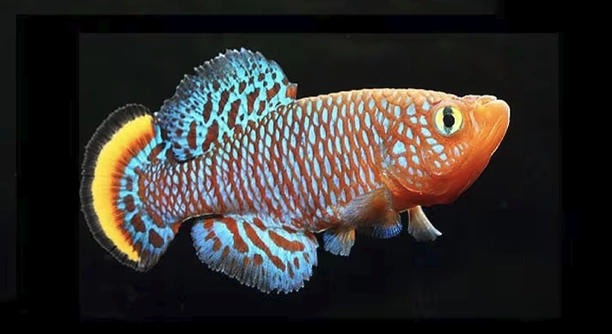
Killi fish are small, colorful freshwater fish popular among hobbyists. They often face changes when introduced to new tanks or environments. Understanding how they react can help keep them healthy and comfortable.
Killi fish typically show cautious behavior when placed in new environments, often exploring slowly while staying near hiding spots. Their activity may decrease initially as they adjust to unfamiliar surroundings, gradually returning to normal once they feel secure.
Learning about these reactions can improve your care routine and support your killi fish’s well-being during transitions.
Initial Reactions of Killi Fish to New Environments
When killi fish are introduced to a new tank, they often become very cautious. They may hide behind plants, decorations, or rocks to feel safe. This behavior helps them avoid potential threats in unfamiliar surroundings. During the first few hours or days, their movements might be slow and deliberate. They may not eat right away, as stress can reduce their appetite. Water conditions like temperature, pH, and cleanliness also affect how quickly they settle in. If the new tank differs greatly from their previous home, the adjustment can take longer. Watching their behavior closely during this period is important to ensure they are not overly stressed. Providing plenty of hiding spots and stable conditions can encourage a smoother transition. Over time, they begin to swim more actively and show curiosity about their environment, signaling they feel more comfortable.
Slow and steady adjustment is common among killi fish after relocation.
Understanding these initial reactions helps you prepare a supportive environment and avoid common stress factors.
Long-Term Adaptations and Behavior Changes
Killi fish may develop new habits as they grow accustomed to their environment. They often become more confident swimmers and explore wider areas of the tank. Social behavior might change too, depending on tank mates and space. Some may display more territorial tendencies if the tank is crowded or lacks sufficient hiding spots. Feeding habits generally improve once stress decreases, and fish begin to accept food regularly. Maintaining stable water parameters is crucial to support their health over time. Changes in light and noise levels can also influence their activity and stress levels. A well-planted tank with gentle water flow usually encourages natural behavior. Observing these long-term changes can give insight into their comfort and well-being. With patience and proper care, killi fish adapt successfully and thrive in their new homes.
Patience and care play key roles in helping killi fish adjust fully.
Signs of Stress in Killi Fish
Killi fish show clear signs when stressed by a new environment. They may hide constantly, refuse to eat, or swim erratically.
Stress often leads to weakened immune systems, making killi fish vulnerable to illness. Rapid breathing or fading colors are common signs. Stress can be caused by poor water quality, sudden changes in temperature, or aggressive tank mates. If you notice these behaviors, check the tank’s conditions immediately. Providing plenty of hiding places and keeping the environment stable helps reduce stress. Sometimes, simply dimming the lights can make them feel safer. Early attention to stress signs can prevent bigger health problems.
Stress can also disrupt breeding behavior in killi fish. Normally active and vibrant during spawning, stressed fish may stop trying to mate or become less social. Ensuring calm surroundings and consistent care is essential for their well-being and reproductive success.
Helping Killi Fish Adjust Quickly
Keeping water parameters stable is the best way to help killi fish adjust. Sudden changes can increase stress and delay settling in.
Feeding small amounts regularly encourages appetite and helps fish regain strength. Avoid overcrowding the tank and provide plenty of plants or hiding spots. Gentle water flow mimics their natural habitat, making them feel more at ease. If possible, slowly acclimate fish to new water conditions before moving them to a new tank. Watching their behavior closely during the first week is important to spot any issues early. Calm, consistent care creates a safer space and supports faster adjustment.
Environmental Factors Affecting Killi Fish
Water temperature plays a big role in how killi fish react to new surroundings. They prefer stable, moderate temperatures around 22–26°C (72–79°F).
Light levels also impact their behavior. Bright lights may cause stress, while dimmer lighting helps them feel secure and encourages natural activity.
Tank Setup Tips for New Killi Fish
A well-planned tank helps killi fish adjust smoothly. Include plenty of plants and hiding places to mimic their natural environment. Avoid strong currents and keep water clean with regular maintenance. A tank size of at least 10 gallons offers enough space without overwhelming the fish. Using soft substrate and gentle filtration will make the environment comfortable.
Monitoring Behavior Changes
Keep an eye on your killi fish daily. Sudden changes in swimming patterns or appetite can indicate issues needing attention.
FAQ
How long does it take for killi fish to adjust to a new environment?
Killi fish usually take a few days to a week to fully adjust. Some may begin exploring within hours, but others need more time to feel safe. It depends on factors like tank conditions, water quality, and how different the new environment is from their old one.
Why is my killi fish hiding all the time?
Hiding is a natural response to stress or fear. It often happens when the fish feels unsafe or is adjusting to new surroundings. Lack of hiding places, aggressive tank mates, or sudden changes in water can cause this behavior. Adding plants or decorations can help them feel secure.
What should I do if my killi fish stops eating?
Loss of appetite is a common stress sign. Check water parameters like temperature, pH, and ammonia levels first. Ensure the food is fresh and suitable. Feeding small amounts multiple times a day can encourage eating. If the problem continues for more than a few days, consult a vet or fish expert.
Can killi fish live with other fish?
Killi fish can live with other peaceful species, but tank size and personality matter. Avoid aggressive or much larger fish that may bully or stress them. Providing plenty of hiding spots and space can reduce conflicts. Monitoring interactions is important, especially at first.
How often should I clean the tank after introducing killi fish?
Regular water changes of about 20-25% every week help maintain water quality. Avoid full cleanings too often because sudden changes can stress fish. Cleaning the filter gently and removing debris also keeps the environment healthy without disturbing beneficial bacteria.
What water parameters are best for killi fish?
Killi fish prefer slightly acidic to neutral water, with a pH between 6.0 and 7.5. Temperature should be stable, ideally between 22–26°C (72–79°F). Ammonia and nitrite levels must be kept at zero, while nitrate should be low. Testing water regularly ensures these conditions stay consistent.
How do I know if my killi fish is stressed?
Signs include hiding constantly, fading colors, erratic swimming, and reduced appetite. Rapid breathing or clamped fins are also common indicators. Stress weakens their immune system, so spotting these early helps prevent illness. Adjusting tank conditions often reduces stress quickly.
Should I acclimate killi fish before moving them to a new tank?
Yes, acclimation is important. Slowly mixing water from the new tank with their current water over 30–60 minutes helps them adjust to changes in temperature and chemistry. This reduces shock and stress, making the transition smoother and safer.
What plants are best for a killi fish tank?
Live plants like Java moss, Anubias, and floating plants provide cover and improve water quality. They create natural hiding spots and help replicate the fish’s natural environment. Plants also reduce stress by offering shade and soft light.
Is it normal for killi fish to change color in a new environment?
Yes, color changes can happen when they are stressed or adjusting. Fading or dull colors often mean they are not yet comfortable. Once settled, their vibrant colors usually return. Proper care, diet, and stable water conditions help maintain bright coloration.
Can killi fish breed in a new tank?
They can, but breeding usually happens once the fish feel fully comfortable and safe. Stress or poor water quality can delay or stop breeding behavior. Providing appropriate hiding spots and stable conditions encourages spawning. Monitoring water parameters and diet supports successful breeding.
What do I do if my killi fish seems sick after moving?
Isolate the fish if possible to prevent spread of illness. Test water quality and perform a partial water change. Look for symptoms like white spots, swelling, or lethargy. Consult a vet or fish expert for treatment options based on symptoms. Early care improves recovery chances.
How important is tank size for killi fish adaptation?
Tank size affects comfort and stress levels. A small tank can make fish feel cramped, leading to aggression or hiding. A minimum of 10 gallons is recommended for a small group, providing enough space to swim and explore without overwhelming them.
Do killi fish prefer still or flowing water?
They prefer gentle water flow that mimics their natural streams or ponds. Strong currents can stress or tire them. Using a filter with adjustable flow or adding plants to break currents helps create a calm environment suitable for killi fish.
How can I encourage my killi fish to explore their new tank?
Offering a mix of hiding places and open swimming areas encourages natural curiosity. Keeping a stable environment with low stress helps them feel safe enough to explore. Feeding near different parts of the tank also motivates movement. Avoid sudden changes to keep them confident.
Is it normal for killi fish to jump when introduced to a new tank?
Yes, jumping is a natural escape response to stress or sudden movement. To prevent injury, keep the tank covered with a lid or mesh. Minimizing sudden changes and handling also reduces jumping behavior over time.
What role does diet play in helping killi fish adjust?
A balanced diet boosts their immune system and energy levels, aiding adjustment. Offering high-quality live or frozen foods like brine shrimp or daphnia encourages feeding. Avoid overfeeding, as poor water quality can increase stress and illness risks.
How often should I observe my killi fish after introducing them?
Daily observation during the first week is important. Watching for behavior, appetite, and signs of stress helps catch problems early. Once settled, regular checks keep them healthy and happy. Consistency in care makes a big difference in their well-being.
Can temperature changes cause killi fish stress?
Yes, sudden temperature shifts can shock killi fish. Keeping the tank temperature stable within their preferred range reduces stress. Using a reliable heater and thermometer helps maintain consistent warmth and avoids harmful fluctuations.
What is the best way to introduce new killi fish to an established tank?
Quarantine new fish separately for at least two weeks to prevent disease. When ready, acclimate slowly to the established tank water. Introduce them gently and monitor interactions with existing fish to avoid aggression or stress. Providing plenty of hiding places helps ease integration.
Killi fish are delicate creatures that respond carefully to changes in their environment. Moving them to a new tank can be stressful, but understanding how they behave makes the process easier. At first, they may hide or swim less as they get used to their new home. This is normal and shows they are trying to stay safe. Providing plenty of hiding spots and keeping water conditions steady helps them feel more comfortable. Over time, they begin to explore and act more like their usual selves. Watching these changes closely can tell you when they are adjusting well or if something needs to be fixed.
Taking care of killi fish means paying attention to small details like water temperature, lighting, and tank setup. Stable water conditions and gentle lighting reduce stress and encourage natural behavior. Including plants and soft decorations not only makes the tank look nice but also gives the fish places to hide and rest. Feeding them regularly with good quality food supports their health during the transition. It’s important to be patient because each fish adapts at its own pace. Rushing the process or making sudden changes can cause more stress, so keeping things calm and consistent is best.
By learning how killi fish react to new environments, you can create a safe space for them to thrive. Regular observation helps you spot signs of stress or illness early, which allows for quick action. Remember, small changes in behavior are normal but persistent problems need attention. Giving your killi fish time, care, and a stable tank will help them grow healthy and happy. The effort you put into their environment shows in how well they adapt and live. In the end, knowing their needs and responses leads to a more enjoyable experience for both you and your fish.

Hello,
If you enjoy the content that we create, please consider saying a "Thank You!" by leaving a tip.
Every little bit helps us continue crafting quality advice that supports the health, happiness, and well-being of pets around the world, for pets of all shapes, sizes, and species.
We really appreciate the kindness and support that you show us!