
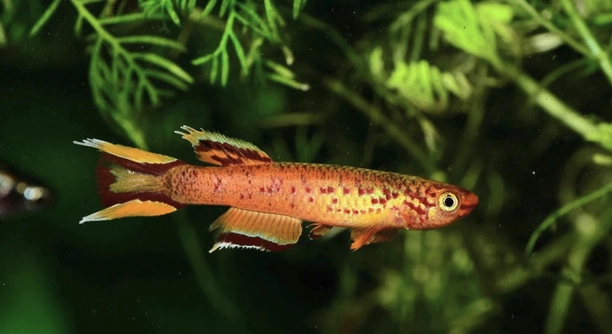
Killi fish are popular freshwater aquarium pets known for their bright colors and small size. Many owners wonder if these lively fish tend to jump out of their tanks. Understanding their behavior helps maintain a safe environment for them.
Killi fish do jump, especially when startled or in poorly secured tanks. Jumping is a natural response to stress or sudden changes in their surroundings. Proper tank setup, including a secure lid, reduces the risk of escape and injury.
Knowing why killi fish jump and how to prevent it will help you keep them safe and comfortable in your home aquarium. The following tips and insights offer practical advice for every killi fish owner.
Why Do Killi Fish Jump?
Killi fish often jump due to stress or environmental factors. Sudden loud noises, rapid water movement, or aggressive tank mates can make them feel threatened. In some cases, poor water quality or lack of hiding places may increase their anxiety. These fish are naturally active and curious, which sometimes leads to unexpected jumps. Additionally, killi fish can jump when exploring their surroundings or during feeding times. Keeping the tank calm and stable helps reduce these jumps. Providing plants and decorations offers them safe spots to hide and relax. Sudden changes in water temperature or light can also trigger jumping behavior. It is important to monitor the tank conditions regularly and maintain a consistent environment. Understanding these causes helps prevent stress and keeps killi fish healthy and secure in their habitat.
Jumping is a natural reaction for killi fish, often linked to stress or environmental changes in their tank. Managing these factors is key to preventing escapes.
Knowing the reasons behind jumping behavior allows owners to create safer aquariums. Adjusting water parameters, adding secure lids, and minimizing disturbances significantly lowers the chances of your fish jumping out. Regular observation helps catch early signs of stress. When the environment is stable, killi fish show less jumping and display calmer behavior. Keeping the tank clean and well-maintained is essential. Feeding them appropriately and avoiding overcrowding also reduces stress levels. Small measures, like soft lighting and gentle water flow, can make a big difference. These steps support your fish’s comfort and promote longer, healthier lives in captivity.
How to Prevent Killi Fish from Jumping
One effective way to prevent jumping is by using a tightly fitting lid on the tank. This physically blocks any attempts to escape. Regularly check that the lid is secure and without gaps.
Besides a secure lid, controlling the tank environment is crucial. Avoid sudden loud noises and rapid movements near the aquarium. Keep water parameters steady, especially temperature and pH. Introduce plenty of plants and decorations to offer hiding spots and reduce stress. Feeding small amounts more frequently rather than one large feeding can minimize excitement. Ensure tank mates are compatible and not aggressive. A well-planned setup keeps fish relaxed and less prone to jumping. Monitoring water quality and performing regular maintenance also contribute to a healthy, stable habitat. These steps together create a secure environment that reduces the likelihood of jumping and protects your killi fish.
Common Signs That Killi Fish May Jump
Killi fish that feel stressed or threatened often show signs before jumping. Restlessness, frequent darting near the water surface, and sudden bursts of speed are common behaviors. They may also try to jump multiple times if uncomfortable.
These signs usually indicate discomfort caused by environmental stress or tank conditions. Restless swimming or hiding more than usual suggests something is wrong. Poor water quality, incompatible tank mates, or sudden noises can all trigger these behaviors. Paying close attention to their movement and interactions helps identify problems early. Catching these signs allows for timely adjustments to their environment. Making changes like improving water quality, reducing disturbances, or providing more hiding spots often calms the fish and reduces jumping attempts.
Ignoring these behaviors may lead to injury or escape. Consistent observation and quick response ensure your killi fish remain safe and less prone to jumping. Healthy fish are calmer and less likely to try to leave their tank.
Best Tank Setup to Minimize Jumping
A well-prepared tank minimizes jumping risk by offering security and comfort. Secure lids are the first step, preventing escape. Soft lighting and gentle water flow create a calm environment. Including plants and decorations offers hiding spots that reduce stress.
The tank should be spacious enough to allow natural swimming patterns without overcrowding. Keeping water parameters stable—temperature, pH, and cleanliness—is essential for their well-being. Avoid placing the aquarium near heavy foot traffic or loud appliances. Adding floating plants helps diffuse light and offers cover near the surface, discouraging jumps. Ensuring compatible tank mates prevents aggressive interactions, which often trigger jumping. A thoughtful, steady setup supports your killi fish’s natural behavior while reducing stress and the urge to jump.
Feeding Habits That Affect Jumping
Overfeeding can cause excitement and sudden movements that lead to jumping. Feeding small, controlled portions helps keep killi fish calm.
Uneaten food can also spoil water quality, increasing stress and prompting jumping. Regular feeding schedules maintain stability and reduce these risks.
How Lighting Influences Jumping Behavior
Bright or fluctuating lighting can startle killi fish and trigger jumping. Using dimmer, consistent lighting reduces stress and helps them feel secure. Avoid sudden changes in light by using timers or gradual dimmers. Soft light mimics their natural habitat and encourages calm behavior, which lowers jumping incidents.
Tank Lid Options
Glass or mesh lids work well to keep killi fish safely inside. Each type has advantages depending on tank ventilation needs and escape risks.
FAQ
Do killi fish jump only when stressed?
Killi fish often jump when stressed, but they can also jump out of curiosity or during feeding. Stress from poor water quality, aggressive tank mates, or sudden disturbances increases jumping behavior. However, their natural active nature means occasional jumps may happen even in calm tanks.
How can I tell if my killi fish is stressed?
Signs of stress include frantic swimming, hiding more than usual, loss of appetite, and color fading. If your fish is jumping frequently, it may also be trying to escape discomfort. Regular monitoring of behavior helps catch stress early.
What type of tank lid is best to prevent jumping?
A tight-fitting glass lid is ideal as it prevents escape and keeps humidity stable. Mesh lids allow better airflow but may have gaps that killi fish can squeeze through. Choose based on your tank’s setup and fish’s activity level.
Can water quality cause killi fish to jump?
Yes, poor water quality often causes stress and restlessness, leading to jumping. Regular water changes, testing parameters, and avoiding overfeeding help maintain good water quality and reduce this behavior.
How often should I feed my killi fish to prevent jumping?
Feed small amounts two to three times daily instead of one large feeding. Smaller meals reduce excitement and minimize uneaten food, which can degrade water quality and increase stress.
Will tank mates affect killi fish jumping behavior?
Aggressive or overly active tank mates can stress killi fish, causing them to jump more. Choosing peaceful species and avoiding overcrowding helps create a calm environment.
Is it normal for killi fish to jump out during cleaning?
Yes, sudden disturbances during tank maintenance can startle them. Cover the tank during cleaning and avoid sudden movements to minimize jumping.
Do killi fish jump more in new tanks?
Killi fish may jump more in new tanks due to unfamiliar surroundings and unstable water parameters. Giving them time to acclimate and stabilizing the environment reduces this behavior.
Can plants help prevent killi fish from jumping?
Live or artificial plants provide hiding spots and reduce stress, making jumping less likely. They mimic the natural habitat and offer shelter near the water surface.
Should I cover the entire tank to prevent jumping?
Covering the entire tank with a secure lid is the best way to prevent jumping escapes. Partial covers or open tanks increase the risk of fish jumping out.
Does lighting impact jumping behavior?
Bright or flickering lights can startle killi fish, leading to jumping. Soft, stable lighting is better for their comfort and reduces stress-related jumps.
What do I do if my killi fish jumps out?
Act quickly by safely returning the fish to water. Check the tank setup for causes like gaps in the lid or stress factors. Improving conditions helps prevent future escapes.
Can temperature changes cause jumping?
Yes, sudden shifts in temperature stress killi fish, increasing jumping behavior. Keep temperature stable within their preferred range to maintain comfort.
Are some killi fish species more prone to jumping?
Yes, some species are more active or skittish, making them more likely to jump. Research your specific species’ behavior to plan tank setup accordingly.
Is jumping harmful to killi fish?
Jumping can lead to injury or death if fish land outside the tank. Preventing jumping is essential for their safety and well-being.
Can feeding live food reduce jumping?
Live food can stimulate natural hunting behavior, which may reduce stress. However, it should be offered carefully to avoid overfeeding and water quality issues.
Does tank size influence jumping?
Smaller tanks can stress killi fish, increasing jumping attempts. Providing adequate space helps reduce stress and promotes natural behavior.
How does water flow affect jumping?
Strong water currents can tire or stress fish, causing them to jump. Gentle water flow that mimics natural conditions is better suited for killi fish.
Is it normal for killi fish to jump at night?
Killi fish are generally diurnal, so jumping at night is less common. If it occurs, it might indicate disturbance or stress in the tank.
Can killi fish jump out when breeding?
During breeding, males may become more active or aggressive, potentially leading to more jumping. Proper tank conditions and hiding places reduce this risk.
Final Thoughts
Killi fish are lively and colorful pets that bring a lot of enjoyment to aquarium owners. Their tendency to jump can sometimes cause concern, but understanding why they jump helps manage this behavior effectively. Jumping is often a natural response to stress, sudden changes, or discomfort in their environment. By creating a stable and secure tank, owners can reduce the chances of their killi fish trying to escape. Simple steps like using a tight-fitting lid, maintaining good water quality, and providing plenty of hiding spots go a long way in keeping these fish safe and calm.
Managing the environment is key to preventing jumping. Consistent water parameters, such as stable temperature and clean water, help reduce stress. Keeping the tank quiet and avoiding sudden movements or noises near the aquarium also promotes a calm atmosphere. Additionally, choosing compatible tank mates and avoiding overcrowding lessens aggression and competition, which can trigger jumping. Lighting plays a role as well—soft and steady lighting mimics natural conditions and reduces startling effects. Paying attention to these details creates a healthy home for killi fish, encouraging natural behavior and lessening the urge to jump.
Even with all precautions, killi fish may still jump occasionally. It is part of their active and curious nature. The best approach is to stay observant and ready to make adjustments as needed. Regular tank maintenance, proper feeding routines, and a secure tank lid form the foundation of a safe habitat. By understanding their behavior and needs, owners can enjoy watching their killi fish thrive without the worry of escapes. Taking these simple but effective measures ensures a better life for the fish and peace of mind for the owner.

Hello,
If you enjoy the content that we create, please consider saying a "Thank You!" by leaving a tip.
Every little bit helps us continue crafting quality advice that supports the health, happiness, and well-being of pets around the world, for pets of all shapes, sizes, and species.
We really appreciate the kindness and support that you show us!