
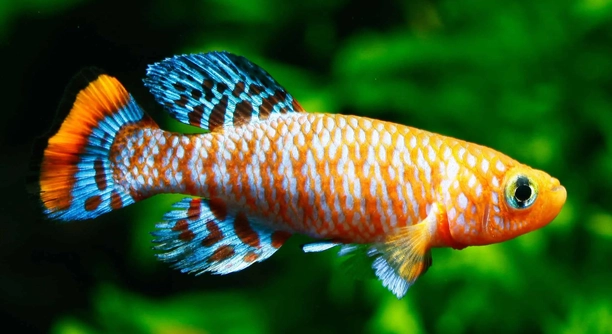
Have you ever set up a tank for your killifish and wondered if the water feels just right for them? Finding the ideal temperature is important to keep your fish healthy, active, and stress-free in their habitat.
The optimal water temperature for most killifish species ranges from 72°F to 75°F (22°C to 24°C). This range supports proper metabolism, breeding behavior, and immune health, allowing the fish to thrive in captivity or semi-natural environments.
Understanding the right water temperature can help you avoid health issues and keep your killifish happy and vibrant in your care.
Why Water Temperature Matters for Killifish
Killifish are sensitive to water changes, and temperature plays a key role in their overall well-being. When kept in the right range, they stay active, display brighter colors, and have fewer health problems. Cold water slows their metabolism and can make them lethargic, while water that’s too warm may stress their systems and shorten their lifespan. Stable temperature also supports proper oxygen levels, which are essential for their gill function and overall health. If you’re breeding killifish, correct temperature becomes even more important. Warmer water can encourage spawning, while cooler temperatures may slow or stop the process entirely. Keeping your tank within the recommended 72°F to 75°F helps avoid problems and creates a calm, natural setting for your fish.
Fluctuating temperatures can be stressful and weaken the immune system of your killifish, leaving them vulnerable to disease and poor growth.
Using a reliable heater with a built-in thermostat helps maintain a steady temperature. Placing the tank away from windows, doors, or vents also keeps the water more stable. Regular temperature checks with a digital thermometer allow you to spot changes early. Sudden drops or spikes are harmful, especially overnight or during seasonal shifts, so staying consistent is key to healthy fish.
Seasonal Changes and Breeding Temperatures
Killifish naturally respond to seasonal changes in temperature, and this influences their behavior and breeding patterns.
If you’re planning to breed your killifish, temperature adjustment is something you’ll want to monitor closely. Increasing the water temperature slightly—up to 76°F—can trigger breeding behavior in some species. After spawning, it’s a good idea to lower it back to 72°F to maintain balance and avoid overexertion. It’s important not to overheat the tank during this time, especially if your room temperature fluctuates throughout the day. Too much warmth can reduce egg survival and increase bacterial risks. On the other hand, if the water is too cold, killifish may become sluggish and uninterested in breeding. Each species may have slightly different needs, so it helps to know what type of killifish you have. Some African species, like Nothobranchius, thrive in warmer water during breeding seasons, while others prefer a cooler approach. Always make changes slowly and monitor behavior closely to protect your fish from unnecessary stress.
Common Mistakes with Temperature Control
Many people forget to check their heater regularly or assume the room temperature will keep the tank stable. Small daily shifts can affect the water more than you think, especially in smaller tanks without proper insulation.
Heaters can become faulty over time or fail without warning. If the water becomes too warm, your killifish may show signs of stress such as rapid gill movement, hiding, or dull coloration. On the flip side, cold water can cause sluggish behavior and a weak appetite. Don’t rely on touch or guessing—always use a digital thermometer. Avoid placing tanks near windows, heat vents, or outside walls that get cold at night. Even the light from certain tank covers can cause warmth that affects the water. Checking your tank twice a day helps keep things balanced, especially during seasonal changes or if your indoor heating or cooling system runs often.
When setting up your tank, avoid heaters that are too strong for the size of your aquarium. A 10-gallon tank doesn’t need the same wattage as a 30-gallon one. Overpowered heaters can raise the temperature too quickly, which can shock your fish. Instead, use adjustable models with automatic shut-off features. If your tank is in a room with wide temperature swings, consider using a heater guard and an external thermometer. This adds a second layer of protection. And remember—when doing water changes, make sure the new water is at the right temperature before adding it in. Cold tap water poured in too fast can create sudden drops that killifish don’t tolerate well.
Tools That Help Keep Temperature Stable
Using both a submersible heater and a thermometer creates a reliable setup. Some thermometers even sound alerts if the temperature drops or rises too quickly. These tools make monitoring easier and more accurate.
A heater with a built-in thermostat is ideal for keeping your killifish safe. Look for ones with an automatic shutoff in case the water level drops or the heater overheats. Place the heater near the filter to help distribute warm water evenly throughout the tank. A good thermometer—digital or stick-on—should be checked every day. If you keep your tank in a drafty room, consider insulating the back and sides with foam board or a tank wrap to help maintain warmth. Battery-powered backup systems or a secondary heater may also help during winter or power outages. Each piece of equipment works together to reduce stress and keep your fish active, colorful, and healthy all year round.
How Temperature Affects Behavior
Killifish become more active and display brighter colors when kept in the right temperature range. Warmth supports natural swimming, feeding, and social interaction, especially during the day when they are most alert.
If the water is too cold, they tend to stay near the bottom and eat less. This can lead to health issues.
Monitoring Temperature in Smaller Tanks
Smaller tanks are more sensitive to temperature changes. A few degrees can shift quickly due to sunlight, room temperature, or nearby appliances. Always use a heater suited for the tank’s size and avoid placing the tank near windows or heaters. Regular daily checks with a thermometer are important. During hot weather, consider using a fan or cooling system to prevent overheating. In colder months, make sure your heater is working well and stays consistent overnight. Avoid opening the tank lid often, as this releases heat. A stable environment supports better growth, color, and behavior in killifish of all types.
When to Adjust Water Temperature
Adjust temperature slowly if your fish seem sluggish, stop eating, or show stress signs. Sudden shifts can cause more harm than good.
FAQ
What is the ideal water temperature range for killifish?
The best water temperature for most killifish species is between 72°F and 75°F (22°C to 24°C). This range supports their metabolism and keeps them healthy and active. Staying within these limits helps prevent stress and encourages natural behavior, including breeding.
Can killifish survive outside this temperature range?
Killifish can tolerate small fluctuations outside the ideal range, but prolonged exposure to temperatures below 68°F or above 78°F can cause health problems. Cold water slows their metabolism and weakens their immune system. Warmer water can increase stress and reduce oxygen levels.
How quickly should I adjust the temperature if it’s too high or low?
Temperature changes should be made gradually, no more than 1-2 degrees Fahrenheit per day. Sudden shifts can shock the fish, cause stress, and lead to illness. Use a reliable heater or cooling system to control the rate of change safely.
What equipment do I need to maintain proper temperature?
A submersible heater with a built-in thermostat is essential. Pair this with a digital thermometer for accurate daily checks. For smaller tanks, consider adding insulation or a tank heater guard. In hot climates, a small aquarium fan or chiller can help keep temperatures stable.
How often should I check the water temperature?
Checking temperature twice daily is ideal, especially during seasonal changes or if the tank is in a room with varying temperatures. This helps catch any fluctuations early before they affect your killifish’s health.
Does the size of the tank affect temperature stability?
Yes, smaller tanks are more prone to temperature swings due to their lower water volume. They warm and cool faster from room temperature changes or direct sunlight. Larger tanks provide more stable environments but still require monitoring.
Can I use tap water directly for water changes?
Tap water temperature should be matched to the tank water before adding it to avoid sudden drops or spikes. Using water straight from the tap can cause temperature shock, which is harmful to killifish.
What signs indicate that the water temperature is wrong?
Signs include lethargy, reduced appetite, hiding, rapid breathing, or faded colors. Killifish may also stop breeding if the temperature is not suitable. Monitoring behavior helps detect issues before serious problems develop.
Is it necessary to adjust temperature for breeding?
Some killifish species need slightly warmer water (around 76°F) to trigger spawning. After breeding, lowering the temperature back to the normal range supports egg survival and fish health. Always research your specific species’ needs.
Can temperature affect the lifespan of killifish?
Yes, consistent temperatures within the ideal range help killifish live longer by reducing stress and illness. Fluctuating or extreme temperatures shorten lifespan and may cause chronic health issues.
What do I do during power outages or heater failure?
Use battery-powered backup heaters if possible. In emergencies, keep the tank covered with blankets to retain heat and avoid exposing it to drafts. Monitor your fish closely and restore normal temperature as soon as possible.
Are there differences in temperature needs between killifish species?
Yes, some species prefer slightly cooler or warmer water. African killifish often tolerate warmer temperatures, while American species may do better in cooler water. Always check care guidelines for your specific killifish type.
Can seasonal changes affect killifish health?
Seasonal temperature shifts can stress killifish if the tank isn’t adjusted accordingly. Gradual changes and careful monitoring help maintain a stable environment throughout the year.
How does temperature affect killifish metabolism?
Warmer water speeds up metabolism, increasing activity and feeding. Colder water slows metabolism, causing lethargy and reduced appetite. Keeping the right temperature balance supports normal biological functions.
What is the risk of overheating the tank?
Overheating lowers oxygen levels and increases waste buildup, which harms killifish. It can also trigger aggressive behavior and reduce lifespan. Avoid placing tanks near heat sources and use cooling devices when needed.
This FAQ covers essential temperature-related concerns to help you maintain a healthy, comfortable environment for your killifish. Proper temperature control is a simple but vital part of responsible fish care.
Maintaining the right water temperature is one of the most important factors for keeping killifish healthy and happy. These fish thrive best when their tank temperature stays within a stable range, typically between 72°F and 75°F (22°C to 24°C). This range supports their natural behavior, metabolism, and immune system. When the temperature is too low, killifish can become sluggish and more prone to illness. When it is too high, they may become stressed, which also affects their health and lifespan. Keeping the temperature consistent helps reduce stress and encourages your fish to display their full colors and natural activity.
Controlling water temperature requires attention and the right equipment. A good-quality heater with a built-in thermostat is essential, especially in colder months or in cooler climates. Using a digital thermometer will help you monitor temperature accurately each day. It is also important to place the tank away from direct sunlight, drafts, or heat sources to avoid sudden temperature swings. Small tanks need extra care because they can change temperature more quickly than larger ones. Adjustments to temperature should always be made slowly to avoid shocking the fish. When breeding killifish, temperature control becomes even more critical, as slight increases or decreases can affect spawning success.
Overall, understanding the temperature needs of your killifish helps create a stable environment where they can thrive. Regular checks and small adjustments keep your fish healthy and active. Proper temperature management also improves their chances of successful breeding and long-term survival. By paying close attention to this simple but vital factor, you can enjoy a lively, colorful aquarium with killifish that live full, healthy lives. Taking these steps ensures that your aquarium remains a safe, comfortable home for these delicate fish.

Hello,
If you enjoy the content that we create, please consider saying a "Thank You!" by leaving a tip.
Every little bit helps us continue crafting quality advice that supports the health, happiness, and well-being of pets around the world, for pets of all shapes, sizes, and species.
We really appreciate the kindness and support that you show us!