
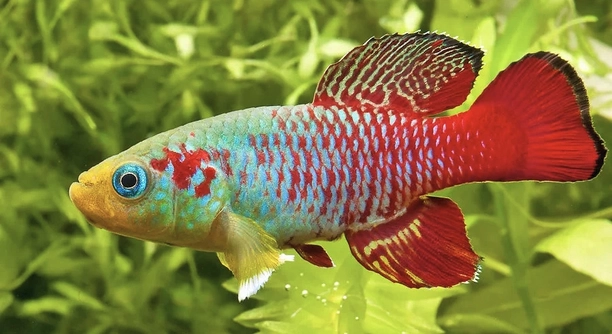
Do your killifish seem a little more aggressive than usual, darting around or locking mouths with one another in the tank?
The most reliable way to tell if killifish are fighting is by observing for signs like torn fins, rapid chasing, and physical contact such as biting or mouth-locking. These behaviors typically point to territorial disputes or stress.
Understanding their social habits, tank setup, and stress triggers can help you keep peace in your aquarium and prevent serious injury.
Common Signs of Fighting in Killifish
Killifish are known for their bright colors and active behavior, but sometimes their energy can turn into aggression. When killifish fight, you may notice fast chasing, biting, or one fish constantly cornering another. They may nip at each other’s fins or lock mouths briefly. These behaviors are not always playful. If the same fish keeps getting targeted, it can become stressed or injured. Torn fins, missing scales, and hiding are other clear indicators. Males are more likely to fight, especially in smaller tanks or when competing for territory or a female. While some mild aggression is natural, it should not escalate to the point of harm. Regular checks can help you spot problems early. Observing their body language is a simple way to tell if things are getting too tense. When left unchecked, fighting can lead to stress-related illness or even death, so it’s important to know the signs.
Some killifish may appear still or refuse to eat after being attacked. This behavior shouldn’t be ignored.
If your fish are showing these signs, it’s likely a sign of social stress or competition. Understanding their behavior can help prevent further conflict. Paying attention now can save you bigger problems later.
Why Killifish Fight
Killifish usually fight due to space issues, dominance, or mating competition. Males often defend their territory, especially in smaller tanks.
In small aquariums, fish have limited room to move away from aggression. When several males are housed together, they may constantly challenge each other to claim the best spot in the tank. This behavior becomes even more noticeable during breeding times, as males try to impress females and keep rivals away. Poor tank conditions—like not enough hiding places, low water quality, or lack of plant cover—can make aggression worse. Some species are more territorial by nature, while others may fight due to stress from overcrowding. Adding new fish to a tank that already has a social order can also lead to fights, especially if the newcomers are seen as a threat. Even subtle things, like changes in light or feeding schedules, can affect how your killifish behave toward each other. Understanding their needs can make it easier to create a peaceful tank.
How to Stop Killifish from Fighting
Adding more plants, rocks, or decorations to the tank helps break up lines of sight. This makes it harder for aggressive fish to chase others and gives weaker fish places to hide and feel safe.
Separate the fish if aggression becomes severe. A tank divider or moving one fish to a different tank can help reduce stress. Also, avoid keeping multiple males together in small spaces. If you’re breeding, try keeping just one male with a few females. This setup reduces competition and keeps the tank more peaceful. Feeding them regularly and maintaining good water quality can also improve their behavior. Keep the tank lights moderate and consistent to avoid sudden changes that may trigger aggression. Observing them often will help you act early before fights get worse. Every tank is different, so a bit of adjusting may be needed to find what works.
Try adding fish of similar temperament if you’re looking to create a community tank. Avoid pairing killifish with slow-moving or long-finned species. Keep an eye on tank dynamics after any change. If fighting continues, consider adjusting the tank size or rearranging it entirely. Sometimes, even small layout changes can make a difference in reducing territorial behavior.
Choosing the Right Tank Setup
Start with a long, wide tank rather than a tall one. Killifish like to swim near the surface and need horizontal space to move freely and avoid each other when needed. Avoid overcrowding to keep stress low.
A 20-gallon tank works well for most killifish setups, especially if you plan to keep more than one male. Add live or silk plants to create visual barriers and resting areas. Floating plants are helpful too, giving cover and calming aggressive fish. Use a gentle filter since killifish don’t like strong currents. Keep a secure lid, as many species are excellent jumpers. A darker substrate can also reduce stress, helping the fish feel more relaxed. Make sure your water temperature, pH, and hardness match the needs of your specific species. Stable conditions help reduce aggression. Finally, avoid using mirrors or shiny surfaces, which can trigger defensive or territorial behavior by reflecting their own image.
When Fighting Becomes Dangerous
If a fish has torn fins, missing scales, or is always hiding, it’s a sign the fighting has gone too far. You may also notice labored breathing or loss of appetite, which can mean the fish is stressed or injured.
Separate injured fish right away to let them recover safely. A small hospital tank with clean water, low light, and gentle filtration works best. Treat with aquarium salt or medication if needed. Keep a close eye on the other fish in the main tank to make sure things settle down after the separation.
Signs of Normal Behavior
Short chases without biting, quick flaring of fins, or occasional posturing can be normal between males. These displays are often used to show strength or establish territory, but they usually end quickly and without injury. As long as no fish is getting hurt or stressed, this behavior is not a cause for concern.
When to Rehome a Killifish
If one fish continues to fight despite changes in the tank setup, rehoming may be the best option. This helps reduce stress for all fish and can prevent long-term harm or injury in the group.
FAQ
How can I tell if my killifish are just playing or actually fighting?
Killifish often chase and flare their fins, which can look aggressive but is sometimes just normal social behavior. Playful interactions are usually brief, with no biting or damage. When fighting occurs, you’ll see repeated chasing, biting, torn fins, or injured scales. Fish that hide a lot or refuse to eat after these encounters are likely stressed from aggression, not just playing.
What tank size is best to reduce fighting?
A longer tank of at least 20 gallons is ideal for most killifish. Horizontal swimming space helps males avoid each other and reduces territorial disputes. Smaller tanks limit movement and increase aggression, especially when multiple males are present. Larger tanks allow you to add more plants and decorations, which break up the line of sight and create safe hiding spots.
Can I keep multiple male killifish together?
It depends on the species and tank setup. Some killifish species are more tolerant, but many males are territorial and will fight in confined spaces. To reduce conflict, keep only one male per tank or provide plenty of hiding places and space. Alternatively, keep one male with several females to avoid competition.
What should I do if my killifish are constantly fighting?
First, try rearranging the tank to add plants, rocks, or decorations to break up sight lines. If fighting continues, separate the most aggressive fish or reduce the number of males. Maintain good water quality and consistent feeding schedules, as stress can worsen aggression. If necessary, move aggressive fish to a separate tank or consider rehoming.
Can stress cause killifish to become aggressive?
Yes, stress from overcrowding, poor water conditions, or sudden changes in the tank can increase aggression. Killifish under stress may fight more frequently or intensely. Keeping stable water parameters, a clean tank, and a calm environment helps reduce stress and aggressive behaviors.
Are certain killifish species more aggressive than others?
Yes, some species are naturally more territorial, especially certain males during breeding seasons. Others tend to be more peaceful and social. Researching your specific killifish species’ behavior before purchasing can help you prepare the right tank setup to reduce fights.
How can I help injured killifish recover?
Move injured fish to a hospital tank with clean, warm water and gentle filtration. Reduce light and avoid stress by keeping the tank quiet. Use aquarium salt or medication if needed to prevent infections. Monitor the fish daily and keep them separate until fins and wounds heal.
Is it normal for killifish to hide a lot after fighting?
Yes, hiding is a common response to stress or injury after a fight. Fish use hiding spots to recover and feel safe. If your killifish are hiding often, check for signs of injury or illness and consider separating them if aggression is ongoing.
Can feeding frequency affect aggression?
Yes, irregular feeding or food shortages can increase aggression as fish compete for resources. Feeding killifish small amounts multiple times a day helps reduce competition and keeps them calmer.
What decorations help reduce fighting?
Dense plants, rocks, caves, and floating plants create barriers and safe spaces. These decorations break lines of sight and reduce direct encounters. Providing hiding places for weaker or stressed fish lowers overall aggression in the tank.
Should I use tank mates with killifish?
Choose peaceful, fast-swimming species that won’t compete for the same territory or harass killifish. Avoid slow or long-finned fish that may become targets. Always observe new tank mates carefully to ensure they don’t increase aggression or stress.
Can lighting affect killifish behavior?
Sudden changes or overly bright light can stress killifish and lead to aggression. Use moderate, consistent lighting with some shaded areas. Floating plants can help soften the light and create a more natural environment.
How do I prevent fights during breeding?
Isolate the breeding pair in a separate tank or provide extra space and hiding spots in the community tank. Monitor males closely and separate if aggression toward females or other males becomes serious.
Is mouth-locking always a sign of fighting?
Mouth-locking is usually a territorial or dominance behavior and often leads to brief fights. If it happens frequently or causes injuries, it’s a sign that the fish are fighting rather than just showing dominance.
What water parameters help keep killifish calm?
Stable temperature, pH, and hardness levels suited to your species reduce stress and aggression. Avoid rapid changes and keep the tank clean. Regular testing helps maintain a healthy environment.
Can introducing new killifish cause fights?
Yes, new fish can disrupt established social order and lead to fights. Quarantine new fish first and introduce them slowly. Adding new fish at the same time or rearranging the tank can help reduce territorial disputes.
Keeping killifish in a peaceful tank requires attention to their natural behavior and environment. Killifish can be lively and sometimes aggressive, especially males defending their space or competing during breeding times. Recognizing the signs of fighting early is important to prevent injury and stress. Simple things like torn fins, chasing, or hiding fish can signal that tensions are rising. Observing your fish regularly will help you notice these behaviors before they become serious problems.
Creating the right tank setup is one of the best ways to keep killifish from fighting. A longer tank with plenty of hiding spots, plants, and decorations helps break up territories and gives shy fish places to rest. Avoid overcrowding and try to limit the number of males in one tank. Stable water conditions and a good feeding routine also reduce stress, which lowers aggressive behavior. Sometimes a small change, like rearranging plants or adding floating cover, can make a big difference in calming the fish. If fights continue despite your efforts, separating aggressive individuals or rehoming them may be necessary to keep the rest of the tank safe.
Taking care of killifish means understanding their needs and personalities. While a little chasing is normal, it should not cause harm. Your goal is to create an environment where all fish can thrive without constant conflict. By paying attention to their behavior and making thoughtful adjustments, you can enjoy their beauty and lively nature without worry. Killifish are fascinating fish, and with the right care, you can maintain a healthy, peaceful aquarium that lets them shine.

Hello,
If you enjoy the content that we create, please consider saying a "Thank You!" by leaving a tip.
Every little bit helps us continue crafting quality advice that supports the health, happiness, and well-being of pets around the world, for pets of all shapes, sizes, and species.
We really appreciate the kindness and support that you show us!