
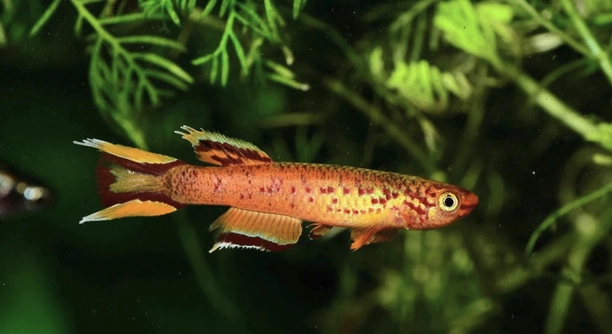
Do you ever find yourself wondering if your killi fish can thrive in a tank without a filter? These colorful little fish are popular among beginners, but their care needs still matter. Let’s explore what really works best.
Killi fish can survive without a filter, but it requires extra care and maintenance. Without a filter, their tank needs regular water changes and close monitoring to maintain water quality, as poor conditions can quickly harm these sensitive fish.
Learning how to create a safe, low-maintenance environment for your killi fish can make a big difference in their well-being and longevity.
Why Some People Keep Killi Fish Without a Filter
Killi fish are often kept in filterless tanks because they are used to slow-moving or still waters in the wild. Many hobbyists try to recreate that natural setting at home. These tanks usually have a lot of live plants, which help clean the water and provide oxygen. The key is to keep the fish load low, meaning not too many fish in one tank. With fewer fish and more plants, waste builds up more slowly. This setup can work well, but it does take more attention. Skipping the filter doesn’t mean less work—it just shifts your focus to regular care and close observation. Clean water is the most important part of keeping killi fish healthy. Even though they can handle a range of water conditions, sudden changes or dirty tanks can stress them out. That’s why some people succeed with filterless tanks, but others may find it too risky.
A filterless tank can look calm and natural, but it demands a steady routine and a close eye on water quality.
Adding floating plants and moss can help mimic their natural habitat. These plants absorb waste, reduce light, and give killi fish places to rest and hide, which helps reduce their stress levels.
Risks of Keeping Killi Fish Without a Filter
Skipping the filter can lead to serious problems if you’re not prepared to maintain the tank often.
Without a filter, harmful waste like ammonia and nitrite can build up quickly. These substances are toxic to fish, even in small amounts. A filter usually helps remove them, so in a filterless setup, you have to do that job yourself. Frequent water changes are not optional—they are necessary to keep the water safe. Missing just a few can cause major issues. Temperature swings are also more likely in smaller, unfiltered tanks. These swings can make killi fish sick. Some people think that adding a few plants is enough, but it’s not. Plants help, but they can’t replace what a filter does. You also need to monitor water parameters closely using test kits. Clear water doesn’t always mean clean water. A stable environment takes effort. So, while killi fish can live without a filter, it’s only safe if you’re able to put in the time and care they need.
How to Make a Filterless Tank Work
A filterless tank needs balance. You must keep the fish population low, use live plants, and do regular water changes to maintain water quality. This setup can work, but it’s only successful with a stable routine and a close watch on water conditions.
Start with a small number of killi fish—usually just a pair or trio for a 5 to 10-gallon tank. Add slow-growing plants like java moss, hornwort, or anubias. These plants absorb waste and help keep the tank stable. Use a sponge or turkey baster to remove debris from the bottom. Avoid overfeeding, as leftover food quickly pollutes the water. Use a water testing kit at least twice a week to check for ammonia, nitrite, and nitrate. Replace about 30–40% of the tank water every few days, using dechlorinated water that matches the tank’s temperature. With consistent care, the tank can stay safe and healthy.
Adding a gentle light source can help plants grow without encouraging algae. Keep the light on for six to eight hours a day. Watch for signs of stress in your fish like rapid breathing, dull color, or hiding all the time. These may mean the water isn’t right. Make small adjustments slowly to avoid shocking them.
What to Avoid in a Filterless Tank
Avoid overcrowding your tank. Too many fish create waste faster than plants and water changes can handle. Stick to a small group, and always make sure your tank has enough room and cover for the fish to feel secure.
Do not rely on visual clarity alone. Clean-looking water can still be unsafe. Always test for ammonia, nitrite, and nitrate levels. Never skip water changes or overfeed your fish. Uneaten food breaks down and adds harmful waste to the water. Stay away from strong lighting or too many hours of light per day—it can lead to algae overgrowth. Also, avoid fast-moving or large tank mates. Killi fish are peaceful and may become stressed or injured by more aggressive species. Use soft, stable water and avoid sudden changes in temperature or pH. Finally, never add new fish without quarantining them first. A sudden illness can spread quickly in a small, unfiltered tank and may be hard to control without a proper system in place.
Common Signs of Trouble
If your killi fish is gasping at the surface or staying hidden for long periods, the water may not be safe. These are signs of stress and can point to poor oxygen levels or toxic buildup.
Dull colors, clamped fins, or sudden inactivity can also signal a problem. Always test the water first.
Best Plants for Filterless Killi Tanks
Live plants are essential in a filterless setup. Good options include java moss, anubias, hornwort, and water sprite. These plants are hardy, easy to grow, and help clean the water. Floating plants like duckweed and frogbit are also helpful. They reduce light and give the fish shade and cover, which lowers their stress. Avoid plants that require high light or added CO₂, as they are harder to maintain. Keep the plants trimmed so they don’t block the surface too much, as surface movement helps with oxygen exchange. A mix of rooted and floating plants will provide balance and support water quality.
When a Filter Might Be Better
A small sponge filter can offer extra support if you can’t keep up with water changes. It helps keep the water clean and adds gentle flow.
FAQ
Can killi fish survive in a bowl without a filter?
Killi fish can technically survive in a bowl without a filter, but it’s not ideal. Bowls often have too little water and no room for plants or proper heat control. Without filtration, waste builds up quickly and water quality drops fast. Even with daily water changes, it’s very hard to keep the environment stable. Poor water quality leads to stress, illness, or even early death. If you must use a bowl temporarily, treat it like a short-term solution. Add live plants, keep the water clean, and upgrade to a proper tank as soon as possible.
How often should I change the water in a filterless tank?
In a filterless tank, partial water changes should happen more often than in filtered tanks. Depending on the size, change 30–50% of the water every two to three days. Smaller tanks or bowls may need daily changes. Always use dechlorinated water that matches the tank’s temperature. Watch your fish—if they act stressed or if test kits show ammonia or nitrite, increase your water changes. Don’t rely on looks alone—clear water can still be unsafe. Consistent, small changes are better than big, infrequent ones.
What is the best water temperature for killi fish?
Most killi fish prefer temperatures between 72°F and 78°F (22°C to 26°C). Some species are more flexible, but keeping the temperature stable is key. Use a heater in cooler months or in rooms with unstable temperatures. Avoid sudden changes, as killi fish are sensitive to stress. Check the temperature daily with a tank thermometer. If you’re using a bowl or small tank without a heater, be extra cautious—room temperature can shift quickly, especially overnight.
Can live plants replace a filter completely?
Live plants help a lot, but they don’t fully replace a filter. They absorb ammonia and nitrates, provide oxygen, and offer cover for fish. However, they can’t remove debris, uneaten food, or all harmful substances. You still need to clean the tank and test the water regularly. A heavily planted tank can support filterless living if stocked lightly and maintained well. Use fast-growing plants like hornwort or floating plants like frogbit for better nutrient absorption. Think of plants as support, not a full replacement.
What should I feed my killi fish in a filterless tank?
Feed small amounts once or twice a day. Killi fish enjoy live or frozen foods like brine shrimp, daphnia, and bloodworms. Some will accept high-quality micro pellets. Avoid overfeeding—it’s a common problem in filterless tanks. Uneaten food quickly breaks down and pollutes the water. Only feed what they can eat in two to three minutes. Skip a feeding day once a week to reduce waste and give their system a break.
Are sponge filters loud or strong for killi fish?
Sponge filters are gentle and quiet, making them a good choice for killi fish. They create soft water flow, which is ideal because killi fish prefer still or slow-moving water. Use a small air pump with an adjustable valve to control the bubbles. If the bubbles are too strong, use a sponge pre-filter or an air stone to soften the flow.
Can I keep other fish with killi fish in a filterless tank?
It’s not recommended. Filterless tanks need low bioload to stay safe. Adding more fish increases waste and makes it harder to maintain clean water. Killi fish also have specific needs, and tank mates may stress them out or outcompete them for food. If you want to try, stick to small, peaceful fish and make sure the tank is well-planted and closely monitored.
How do I know if the tank is stable without a filter?
A stable tank has consistent water parameters, no visible signs of stress in the fish, and steady plant growth. Use test kits to check ammonia, nitrite, nitrate, and pH levels weekly. Watch your fish—healthy killi fish are active, have clear eyes, and show good color. A sudden change in behavior or appearance often means something is wrong. Stability takes time, so don’t rush the process.
Is a filterless setup cheaper in the long run?
It can be, but only if you’re consistent with maintenance. You won’t spend on filters or electricity, but you’ll use more water and supplies like dechlorinator and test kits. If water changes become too frequent, the cost and time can add up. A basic sponge filter is affordable and may save effort in the long term.
Final Thoughts
Keeping killi fish without a filter is possible, but it’s not always the best choice for everyone. It requires time, patience, and a strong understanding of how to care for fish in a low-tech setup. Filterless tanks depend on regular water changes, live plants, and careful feeding habits. If even one part of the routine is missed, water quality can drop quickly. This puts the fish at risk for stress, illness, or death. Some people enjoy the natural look and feel of a still, planted tank, but it comes with responsibility. Without a filter, you become the filter.
If you’re thinking about trying a filterless tank, it’s important to start small and simple. Choose hardy plant species, test your water often, and keep the number of fish low. Be prepared to make changes if something isn’t working. A sponge filter is a good backup plan that doesn’t take up much space or create strong water flow. It can offer more stability while still keeping the tank peaceful and gentle for killi fish. Remember that clear water does not always mean safe water. Testing regularly is the only way to truly know if conditions are stable and healthy.
In the end, the well-being of your killi fish should guide your decision. Some fish keepers do well without filters, but many others find that a small filter makes things easier and safer. A filterless tank is not a shortcut—it’s just a different method. It works best for people who are willing to check their tanks often and respond quickly to changes. If you can meet those needs, then a filterless setup can be rewarding. But if you’re unsure or want more peace of mind, adding a small, gentle filter might be the better option. Either way, the most important thing is to create a safe, stable home for your killi fish.

Hello,
If you enjoy the content that we create, please consider saying a "Thank You!" by leaving a tip.
Every little bit helps us continue crafting quality advice that supports the health, happiness, and well-being of pets around the world, for pets of all shapes, sizes, and species.
We really appreciate the kindness and support that you show us!