
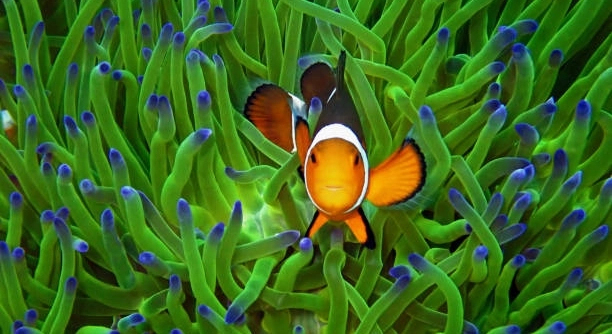
Clownfish are popular aquarium fish known for living closely with sea anemones. Many fishkeepers wonder if clownfish can share one host without conflict. Understanding their behavior helps create a peaceful tank environment.
Clownfish can share a host anemone, but only under certain conditions. Typically, a dominant pair controls the space, and extra fish may lead to territorial fighting. The social hierarchy and available space influence whether sharing is successful.
Knowing how clownfish interact around their host can help you manage your aquarium better. It’s important to learn what encourages harmony and what causes tension among them.
Understanding Clownfish Social Behavior
Clownfish live in small groups with a clear social order. Usually, one female is dominant, followed by a breeding male, and then smaller non-breeding males. This hierarchy helps keep peace within the group, especially around their host anemone. When there is enough space, clownfish tolerate each other’s presence. However, problems arise when too many fish try to share one anemone. The dominant fish defend their space aggressively to protect their breeding rights. This behavior means that if the group grows too large or the space is limited, fighting is likely. Knowing these social rules can help you decide how many clownfish to keep together and whether they have enough room to avoid conflict.
Clownfish will generally accept other group members only if the hierarchy is respected and space is adequate.
Their natural behavior in the wild shows that clownfish do best with a stable social order and sufficient room, which reduces fights and stress.
Choosing the Right Anemone for Multiple Clownfish
Selecting a suitable anemone is crucial when housing multiple clownfish. The anemone must be large enough to provide enough space for the group to spread out and claim their own areas. A small or crowded anemone increases stress and chances of aggression. Some species of anemones are better hosts because they grow larger and tolerate multiple fish more easily. Additionally, the size of the aquarium matters; it needs to be spacious enough for both the anemone and fish to thrive. Providing hiding spots outside the anemone can also reduce competition. When choosing an anemone, consider its growth potential and the natural size of the clownfish species you keep. Monitoring their behavior regularly helps catch early signs of aggression before it becomes a problem.
If space is limited, it is better to keep fewer clownfish or provide more than one host anemone.
Signs of Aggression Among Clownfish
Aggressive behavior in clownfish includes chasing, biting, and loud clicking sounds. These actions often increase when space is limited or when new fish are introduced. Watching for these signs helps prevent serious injury and stress in your tank.
When clownfish fight, it usually means their space is being challenged. Dominant fish will try to push others away from the anemone. If you notice one fish constantly chasing or biting another, it’s a clear sign of aggression. This behavior can escalate quickly, leading to damage or even death if not managed. Sometimes, the less dominant fish will hide more often or lose weight due to stress. Early detection of these signs allows you to adjust the environment or separate fish before things worsen.
Sometimes, aggression is brief as fish establish a new hierarchy. Once settled, they often return to peaceful coexistence. However, ongoing fighting is a signal that changes are needed to protect all fish involved.
Managing Clownfish to Reduce Fighting
Separating aggressive fish or providing extra hiding spaces can help calm tensions. Keeping groups small also reduces conflict.
Adding decorations and plants creates more territories for clownfish to claim. This reduces direct competition for the anemone and lessens fighting. Sometimes splitting a group into different tanks is necessary if aggression continues. Proper feeding and water conditions also keep clownfish healthy and less likely to act out.
Regular observation is key to spotting early signs of trouble. Adjusting tank setup or fish numbers based on behavior improves harmony. With patience and care, multiple clownfish can live together with less stress and conflict.
How Clownfish Choose Their Hosts
Clownfish often select hosts based on size and availability. They prefer anemones that provide enough shelter and protection for their group.
Once a host is chosen, clownfish defend it fiercely. They rarely switch to another unless forced by overcrowding or danger.
The Role of Size in Clownfish Hierarchy
Size plays a crucial role in clownfish social structure. Larger fish dominate smaller ones, usually controlling the best spots on the host anemone.
Dominant females are the largest, followed by breeding males, and then smaller, non-breeding males. This size difference keeps the group stable and reduces fights over territory.
Introducing New Clownfish
Introducing new clownfish to an established group requires care. It’s best to add fish gradually and watch for signs of aggression.
FAQ
Can two clownfish share one anemone without fighting?
Two clownfish can share a single anemone if there is enough space and a clear social hierarchy. Usually, a dominant female and a breeding male form a pair that controls the host. If another clownfish is added, it may cause tension unless it fits into the social order as a non-threatening member. Overcrowding or competition for the best spots often leads to aggression. Providing a large enough anemone and monitoring their behavior helps prevent fights and stress.
Why do clownfish fight over their host?
Clownfish fight to protect their territory and breeding rights. The host anemone is a valuable resource that offers safety from predators. When multiple clownfish compete for limited space, dominant individuals try to keep others away. This behavior is natural and helps maintain order within the group. However, too much fighting can cause injury or stress, so it is important to manage tank conditions and fish numbers carefully.
How many clownfish can share one anemone?
The number of clownfish that can share one anemone depends on the size of both the fish and the anemone. Generally, one dominant pair is ideal. In some cases, a few smaller clownfish may coexist peacefully if the anemone is large and there are enough hiding places. Overcrowding increases aggression, so it is safer to limit the group to two or three individuals per host, depending on species and tank size.
Can clownfish live without an anemone?
Clownfish can survive without an anemone, especially in captivity. They often live happily in tanks with plenty of hiding spots and good water conditions. However, anemones provide natural protection and comfort, helping clownfish feel secure. Without a host, clownfish may be more stressed or vulnerable. Offering a healthy anemone improves their natural behavior and wellbeing but is not strictly necessary in all cases.
How do you introduce new clownfish to an existing group?
Introducing new clownfish should be done slowly to reduce aggression. Start by quarantining the new fish to prevent disease. Then, add the newcomer to the tank during feeding or distraction times to lower stress. Observe closely for any signs of fighting. If aggression appears, separate the fish or provide more space and hiding places. Patience is key because clownfish need time to establish a new social order without injury.
What causes clownfish aggression besides fighting over the host?
Besides competing for the host, clownfish may become aggressive due to stress, overcrowding, or poor water quality. Illness or lack of food can also make them more irritable. Ensuring proper tank conditions, a balanced diet, and enough space reduces these problems. Sometimes, aggression is part of normal social behavior but can be minimized by careful care and monitoring.
Is it better to keep clownfish in pairs or groups?
Clownfish do best in pairs, especially a breeding pair with a clear hierarchy. Groups can work if the tank and host are large enough, but they increase the risk of conflict. Smaller groups reduce stress and help fish maintain stable relationships. Keeping pairs is simpler for most aquarium setups and lowers chances of aggression.
What signs show that clownfish are stressed or unhappy?
Signs of stress in clownfish include hiding often, loss of appetite, faded colors, and constant chasing or biting. They may also show rapid breathing or stay away from their host anemone. Stress can lead to illness and shorter lifespan. Watching behavior daily helps catch problems early so adjustments can be made.
Can clownfish change sex to fit the social hierarchy?
Yes, clownfish are protandrous hermaphrodites, meaning they can change sex from male to female. The dominant female is the largest fish, and if she dies or is removed, the breeding male changes into a female. This ability helps maintain the social structure and breeding success within the group.
What should I do if clownfish start fighting?
If clownfish start fighting, first check if the tank is overcrowded or if the host anemone is too small. Adding hiding places or rearranging decorations can reduce conflict. If aggression continues, separating the fish temporarily may be necessary. Ensuring proper feeding and water conditions supports calm behavior. Regular observation and early action help keep peace among clownfish.
Clownfish sharing a host anemone is a delicate balance that depends on several factors. Their natural social structure is based on a clear hierarchy, with one dominant female and a breeding male leading the group. When space and resources are limited, conflicts can easily arise. It is important to understand that clownfish are territorial by nature and will defend their host aggressively if they feel crowded or threatened. Providing a large enough anemone and tank space can reduce tension and help maintain harmony among the fish. Knowing their behavior allows fishkeepers to create an environment where multiple clownfish can coexist peacefully.
Managing clownfish in captivity requires attention to their needs and careful observation. Introducing new clownfish should be done gradually, with a close watch for signs of aggression. Adding decorations or extra hiding spots can help reduce competition for space and lower stress. It is also important to keep the group size small enough to avoid overcrowding, which often leads to fights. Water quality, feeding, and tank size play a role in keeping clownfish healthy and less prone to aggression. When problems arise, early intervention by adjusting the tank setup or separating fish can prevent serious injuries and maintain a peaceful aquarium.
Understanding clownfish behavior and their relationship with their host anemone improves the chances of success in keeping them together. While sharing is possible, it depends on providing adequate space and respecting their social order. Patience and care go a long way in managing their interactions. Fishkeepers who observe and respond to their clownfish’s needs create a healthier, less stressful environment. With the right setup and management, multiple clownfish can live together, offering a fascinating glimpse into their natural social lives without constant fighting.

Hello,
If you enjoy the content that we create, please consider saying a "Thank You!" by leaving a tip.
Every little bit helps us continue crafting quality advice that supports the health, happiness, and well-being of pets around the world, for pets of all shapes, sizes, and species.
We really appreciate the kindness and support that you show us!