
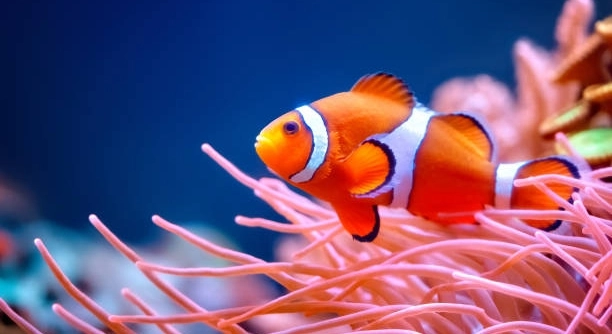
Clownfish are popular aquarium fish known for their bright colors and lively behavior. Watching them swim can be relaxing, but noticing one near the surface can raise questions. This behavior is common and has specific reasons behind it.
Clownfish often swim close to the surface due to environmental factors such as oxygen levels, water temperature, or feeding habits. Low oxygen concentration near the bottom or stress may cause them to seek higher areas with better conditions, making surface swimming a natural response.
Understanding why your clownfish stays near the surface helps improve its care and environment. This article will explore key reasons behind this behavior and practical tips to support your fish’s health.
Common Environmental Factors Affecting Clownfish Behavior
Clownfish swimming near the surface often react to their environment. One key factor is oxygen availability. Water near the surface typically holds more oxygen, especially if the tank has low circulation or insufficient aeration. If oxygen levels drop deeper in the tank, your clownfish will naturally move upward to breathe easier. Another important aspect is water temperature. Warmer water holds less oxygen, so if the tank is too warm, your fish may swim closer to the surface where oxygen concentration is higher. Additionally, poor water quality, such as high ammonia or nitrite levels, can stress fish and lead them to seek safer areas. Feeding habits can also influence swimming patterns. Clownfish may stay near the surface during feeding times, waiting for food to arrive. Checking and maintaining good water conditions can help reduce this behavior and keep your clownfish comfortable.
Maintaining proper aeration and temperature control is crucial to prevent your clownfish from spending excessive time near the surface.
Adjusting water circulation and temperature can greatly improve your clownfish’s comfort and health, reducing surface swimming behavior.
How to Improve Your Clownfish’s Habitat
Improving the habitat begins with ensuring adequate oxygen levels in the tank. Using an air pump or powerhead can increase water movement and oxygen exchange. Regular water changes help maintain water quality by removing waste and toxins that stress the fish. Monitoring water temperature is also vital; aim for a stable range around 75-82°F (24-28°C), as fluctuations can affect oxygen levels and fish health. Proper feeding schedules prevent uneaten food from polluting the tank. It’s also helpful to avoid overcrowding, as too many fish in one tank reduce oxygen availability. Providing hiding places and proper tank decor creates a comfortable environment that lowers stress. Observing your clownfish regularly will help you spot early signs of distress. By managing these factors carefully, you can create a healthier environment that encourages natural swimming behaviors and reduces surface swimming.
Signs of Stress in Clownfish
Clownfish showing stress may exhibit unusual behaviors like rapid breathing, loss of appetite, or hiding excessively. Swimming near the surface can also be a sign. Stress weakens their immune system, making them prone to illness, so recognizing these signs early is important.
Stress in clownfish often comes from poor water quality, sudden changes in temperature, or aggressive tank mates. If the environment feels unsafe, they may swim near the surface to escape discomfort. Overcrowding and improper feeding routines add to stress levels. Keeping the tank clean and stable can reduce these problems. Regular observation helps catch issues before they worsen. Ensuring compatible tank mates and maintaining a calm environment also support your clownfish’s well-being.
Frequent surface swimming combined with other stress signs requires quick action. Testing water parameters and adjusting tank conditions helps restore balance. Adding hiding spots reduces anxiety, giving your clownfish a safe place to retreat when needed.
Feeding Habits and Surface Swimming
Clownfish naturally come to the surface during feeding times because they expect food there. If feeding is irregular or food is insufficient, they may linger near the top looking for scraps. Consistent feeding schedules help regulate this behavior.
Overfeeding can pollute the water, causing oxygen levels to drop and increasing surface swimming. Feeding smaller portions more often prevents waste buildup and maintains water quality. Using sinking pellets or foods suited to clownfish encourages them to explore all tank levels for food, reducing surface dwelling. Keeping a balanced diet also supports their energy and health, minimizing abnormal swimming patterns caused by hunger or stress.
Tank Size and Its Impact
A small tank limits swimming space and can cause stress in clownfish. This often leads to unusual behavior like staying near the surface. Ensuring enough room for natural movement improves their comfort.
Overcrowding increases competition for oxygen and space, forcing some fish closer to the surface. Providing adequate tank size reduces these pressures.
Lighting Conditions
Bright or fluctuating lighting can disturb clownfish. Excessive light may stress them, causing them to swim near the surface seeking calmer areas.
Adjusting light intensity and duration to mimic natural conditions helps maintain their normal behavior and reduces surface swimming.
Water Parameters Monitoring
Regularly checking water parameters like pH, ammonia, nitrite, and nitrate is essential. Poor water quality often causes clownfish to swim near the surface.
Maintaining stable and appropriate water conditions supports fish health and discourages surface swimming.
FAQ
Why does my clownfish stay at the surface all the time?
When a clownfish stays near the surface constantly, it often indicates low oxygen levels or stress in the tank. Surface water usually contains more oxygen, so the fish swims there to breathe easier. Other reasons include poor water quality, temperature fluctuations, or illness. Regular water testing and proper tank maintenance can help resolve these issues.
Is it normal for clownfish to swim near the surface during feeding?
Yes, clownfish naturally swim near the surface during feeding times because that’s where food usually appears. They learn to associate the surface with feeding. However, if they linger there long after feeding, it might mean the tank’s environment needs adjustment, such as better water circulation or oxygenation.
Can poor water quality make clownfish swim near the surface?
Absolutely. High levels of ammonia, nitrites, or nitrates can stress clownfish, causing them to seek safer, oxygen-rich areas near the surface. Keeping the tank clean with regular water changes and monitoring chemical levels prevents this problem.
How does water temperature affect clownfish behavior?
Water temperature affects oxygen levels. Warmer water holds less oxygen, so if the tank temperature is too high, your clownfish might swim near the surface to access more oxygen. Maintaining a stable temperature between 75-82°F (24-28°C) supports healthy fish behavior.
Can tank size influence clownfish swimming near the surface?
Yes. Smaller tanks can cause stress due to limited space and reduced oxygen levels. Overcrowding also worsens this. Providing enough room for swimming and proper aeration prevents excessive surface swimming.
What role does lighting play in clownfish behavior?
Bright or inconsistent lighting can stress clownfish, causing them to behave abnormally, such as swimming near the surface. Mimicking natural light cycles and reducing brightness helps them feel secure and maintain regular swimming patterns.
Could aggressive tank mates cause clownfish to swim near the surface?
Definitely. Aggression or bullying by other fish can stress clownfish and force them to escape to the surface for safety. Choosing peaceful tank mates and providing hiding spots reduces stress and surface swimming.
How often should I feed my clownfish to prevent surface swimming?
Feeding small portions two to three times a day is ideal. Overfeeding pollutes the water, causing low oxygen and stress, while underfeeding leaves them searching for food near the surface. Balanced feeding helps regulate their swimming behavior.
Are there health issues that cause clownfish to stay near the surface?
Certain illnesses or parasites can weaken clownfish, making them swim near the surface to breathe easier. Signs include lethargy, color changes, or clamped fins. Early diagnosis and treatment are important to restore normal behavior.
What can I do if my clownfish continues swimming near the surface despite good care?
If behavior persists, reassess water quality, temperature, tank size, and tank mates. Sometimes subtle issues like hidden contamination or undetected illness cause stress. Consulting an aquarium specialist can provide targeted advice and treatment options.
Clownfish swimming near the surface is a behavior that can have several causes, most of which relate to their environment and health. Understanding these reasons helps in providing better care and creating a comfortable tank for your fish. Often, the behavior is a sign that something in the tank needs attention, such as oxygen levels, water quality, or temperature. By regularly checking and maintaining the tank conditions, you can help your clownfish feel safe and healthy, which reduces the need for surface swimming.
Taking simple steps like improving water circulation, maintaining stable temperatures, and feeding your clownfish properly makes a significant difference. Small changes in their habitat can improve oxygen availability and reduce stress. Keeping the tank clean and ensuring it is large enough for your fish also play important roles. When clownfish have enough space and a well-balanced environment, they tend to swim more naturally throughout the tank rather than staying near the surface. These efforts not only improve the fish’s behavior but also support their overall health and longevity.
Finally, it is important to observe your clownfish regularly to notice any changes in behavior or signs of stress and illness. Swimming near the surface should not be ignored if it continues for long periods, as it might point to an underlying issue. Acting early by testing water quality and checking for possible health problems can prevent more serious complications. Providing the right care and conditions helps your clownfish thrive and enjoy a balanced life in your aquarium.

Hello,
If you enjoy the content that we create, please consider saying a "Thank You!" by leaving a tip.
Every little bit helps us continue crafting quality advice that supports the health, happiness, and well-being of pets around the world, for pets of all shapes, sizes, and species.
We really appreciate the kindness and support that you show us!