
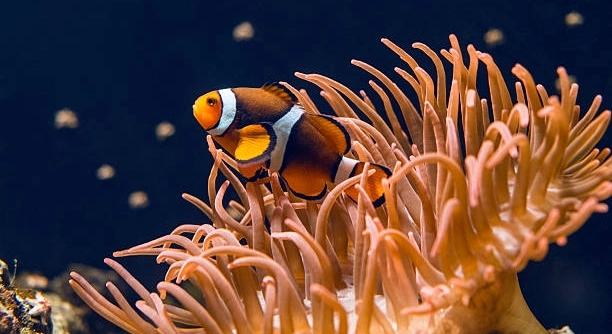
Clownfish are popular pets known for their bright colors and lively behavior. Sometimes, they may start pecking at each other’s fins, which can be confusing for many fish owners. Understanding this behavior is important to keep your fish healthy and peaceful.
Clownfish peck at each other’s fins primarily due to territorial disputes, stress, or establishing dominance within the tank. This behavior is a natural social interaction but can lead to injury if not monitored and managed properly.
Recognizing why this happens will help you create a better environment for your clownfish. The following information explains the causes and how to address this common issue.
Reasons Behind Fin Pecking Behavior
Clownfish pecking at fins usually happens because of space issues or stress. When the tank is too small or overcrowded, they feel the need to protect their area. They may also peck to show dominance or to get attention from other fish. Sometimes, poor water conditions can make them irritable and more aggressive. If one fish is sick or weak, others might target it, making the problem worse. Watching how your clownfish interact helps you catch signs early. Adjusting the environment or adding hiding spots can reduce pecking. Ensuring the tank has enough space and clean water is key to preventing fights. It’s important to respond quickly before injuries develop.
Poor tank conditions and lack of space are common reasons for fin pecking among clownfish.
Stress from these factors can increase aggression, which leads to more frequent and intense pecking. Addressing these problems early keeps your fish safer and more comfortable.
How to Reduce Aggression
Improving tank size and water quality helps calm clownfish behavior.
To reduce fin pecking, start by giving your clownfish enough room to swim freely. A tank of at least 20 gallons is recommended for a pair. Regular water changes and filtration keep the environment healthy, reducing stress. Adding plants, rocks, or decorations gives the fish places to hide and lowers territorial fights. Feeding them a balanced diet also supports their health and reduces irritability. If aggression continues, separating the most aggressive fish temporarily can prevent injury. Observing your fish daily helps spot problems early. Taking these steps creates a peaceful tank where clownfish can thrive and show their natural behavior without harm.
Signs of Stress in Clownfish
Stress in clownfish often shows through changes in behavior and appearance. They may hide more, lose appetite, or swim erratically. Fins can become ragged or clamped, which means they stay close to the body. These signs indicate discomfort and should not be ignored.
Stress weakens the immune system, making clownfish vulnerable to diseases and increasing aggression. It often results from poor water quality, sudden changes in temperature, or overcrowded tanks. Lack of hiding spaces also contributes to anxiety. Monitoring your fish closely helps identify stress early. Adjusting water parameters and tank setup reduces these risks. Keeping the environment stable and clean supports the overall health of your clownfish, allowing them to display calm behavior.
Providing a calm and stable environment is essential. This includes regular water testing, maintaining consistent temperatures, and avoiding sudden changes in lighting or tank layout.
Treating Injuries Caused by Pecking
When fins get damaged from pecking, proper care is needed to prevent infection. First, isolate injured fish if possible to reduce further harm. Clean water with low ammonia and nitrate levels helps wounds heal faster. Adding aquarium salt can also aid recovery, but use it carefully following dosage instructions. Feeding a nutritious diet supports the healing process. Watch for signs of infection like redness, swelling, or fungus, which may require medication. Keeping the tank clean and stress-free encourages faster recovery. Regular observation ensures that injured clownfish are healing properly and not getting worse. Early intervention improves their chances of returning to normal behavior quickly.
Common Triggers for Aggression
Changes in tank environment often trigger fin pecking. New fish introductions or rearranging decorations can stress clownfish.
Feeding schedules that are irregular or inadequate may also increase aggression. Ensuring consistency helps maintain calm behavior.
Tank Setup Tips to Minimize Pecking
A well-structured tank reduces conflicts. Provide plenty of hiding spots with rocks, corals, or plants. This allows clownfish to escape and reduces territorial disputes. Avoid overcrowding by keeping the right number of fish for your tank size. Proper filtration and regular cleaning maintain water quality, lowering stress. Position decorations to create natural barriers between fish. These measures create a balanced environment where clownfish can coexist peacefully.
When to Consult a Professional
If aggression and injuries persist despite changes, it is important to seek expert advice.
FAQ
Why do clownfish suddenly start pecking at each other’s fins?
Clownfish can become aggressive due to sudden changes in their environment. Adding new fish, rearranging decorations, or changes in water conditions may stress them. Stress makes clownfish more territorial and prone to fin pecking as they try to establish dominance or protect their space.
Is fin pecking always a sign of serious aggression?
Not always. Sometimes fin pecking is mild and part of normal social behavior where clownfish set boundaries. However, if the pecking causes visible damage, bleeding, or constant chasing, it becomes a serious issue needing intervention to prevent injury or infection.
Can fin pecking cause permanent damage to clownfish?
If left untreated, fin pecking can lead to fin rot, infections, and long-term damage. Damaged fins affect swimming and increase stress. Early care and good tank management usually prevent permanent harm.
How can I tell if my clownfish are stressed?
Signs of stress include hiding more than usual, loss of appetite, erratic swimming, and clamped fins. Stressed clownfish may also show duller colors or become aggressive. Checking water quality and tank conditions often reveals the cause.
What are the best tank conditions to prevent fin pecking?
Maintain clean water with proper filtration and regular changes. Keep the tank size appropriate—20 gallons or more for a pair. Provide plenty of hiding spots with plants and decorations. Keep a stable temperature and avoid overcrowding to reduce stress.
Should I separate clownfish that are pecking each other?
If fin pecking leads to injuries or constant harassment, temporarily separating the most aggressive fish can help. Use a separate tank or a divider within the main tank until the fish calm down. After healing, reintroduce them carefully.
Does diet affect aggression in clownfish?
Yes, a poor or inconsistent diet can increase stress and aggression. Feeding high-quality, varied foods regularly supports their health and behavior. Avoid overfeeding, which can cause poor water quality and stress.
Can I add more clownfish to reduce aggression?
Adding more fish is usually not recommended unless the tank is large enough. Overcrowding causes more stress and territorial disputes. A small group in a sufficiently sized tank with good setup works best.
Are certain clownfish species more aggressive?
Some species or individual clownfish are naturally more territorial. Ocellaris and Percula clownfish are usually peaceful but can become aggressive during breeding or if stressed. Knowing your species’ temperament helps manage aggression.
How long does it take for clownfish to stop pecking after changes?
With proper adjustments, fin pecking can reduce within days or weeks. Stress relief and stable conditions help fish settle. If aggression continues beyond a few weeks, further action may be necessary.
What medications help with injuries from fin pecking?
Mild injuries usually heal with clean water and good care. For infections, aquarium antibiotics or antifungal treatments can be used carefully. Always follow instructions and consult experts if unsure.
Is fin pecking worse during breeding?
Yes, during breeding periods, clownfish become more protective of territory and mates. This can lead to increased pecking. Providing extra space and hiding spots helps reduce conflicts.
Can lighting affect aggression in clownfish?
Sudden changes in lighting or overly bright tanks may stress clownfish. Consistent, moderate lighting helps maintain calm behavior. Use timers for regular light cycles.
What role does tank decoration play in reducing aggression?
Tank decorations break sightlines and create territories, reducing direct confrontations. Rocks, plants, and corals offer hiding places and reduce territorial disputes by dividing the space.
Is it normal for clownfish to chase each other without harming?
Yes, chasing is part of their social interaction to establish hierarchy. Occasional chasing without injury is normal but should be monitored to ensure it doesn’t escalate.
How do I clean the tank without stressing my clownfish?
Perform regular partial water changes instead of full cleaning. Avoid sudden movements or drastic changes during cleaning. Use gentle suction to remove debris without disturbing fish or decorations too much.
Can tank mates influence clownfish aggression?
Yes, aggressive or territorial tank mates can increase stress and fin pecking in clownfish. Choose compatible, peaceful species to keep harmony.
Should I quarantine new fish to prevent aggression?
Quarantining new fish for at least two weeks helps prevent disease and allows you to observe behavior before adding them to the main tank. This reduces stress and aggression.
What’s the best way to introduce new clownfish to the tank?
Introduce new fish slowly and carefully. Rearrange tank decorations beforehand to reset territories. Monitor closely for signs of aggression and separate if needed.
Can stress from fin pecking affect clownfish lifespan?
Chronic stress weakens immune systems and makes clownfish more prone to illness. Reducing aggression and stress supports longer, healthier lives.
How often should I check water quality to prevent stress?
Test water parameters weekly. Keep ammonia and nitrites at zero, nitrates low, and maintain stable pH and temperature to prevent stress-induced aggression.
Clownfish fin pecking is a common issue that many fish owners encounter. It happens mostly because of stress, limited space, or social dynamics within the tank. This behavior is natural to some degree, as clownfish use pecking to establish territory or dominance. However, when it becomes frequent or aggressive, it can lead to injuries and health problems. Recognizing the reasons behind fin pecking is the first step to managing the behavior. Paying close attention to your fish and their environment can help you catch problems before they worsen.
Keeping the tank clean and providing enough space is essential for reducing aggression. Clownfish need a well-maintained environment with plenty of hiding places to feel secure. Decorations like rocks and plants can help break up the tank, giving fish areas to retreat and avoid conflict. Water quality plays a big role in fish health and behavior. Regular water testing and changes reduce stress and create a more peaceful home for your clownfish. It’s also important to feed them a balanced diet consistently to support their well-being and keep aggression low.
If fin pecking causes injury, quick care is necessary. Separating injured fish and keeping the water clean helps wounds heal faster. Sometimes medication is needed if infections develop. Watching your fish closely and acting promptly can prevent long-term damage. Aggression may not disappear entirely, but with proper tank management and attention, you can greatly reduce it. Maintaining a calm, stable environment benefits all fish in the tank. Overall, understanding why your clownfish peck at each other and addressing the causes can help create a healthier, happier aquarium.

Hello,
If you enjoy the content that we create, please consider saying a "Thank You!" by leaving a tip.
Every little bit helps us continue crafting quality advice that supports the health, happiness, and well-being of pets around the world, for pets of all shapes, sizes, and species.
We really appreciate the kindness and support that you show us!