
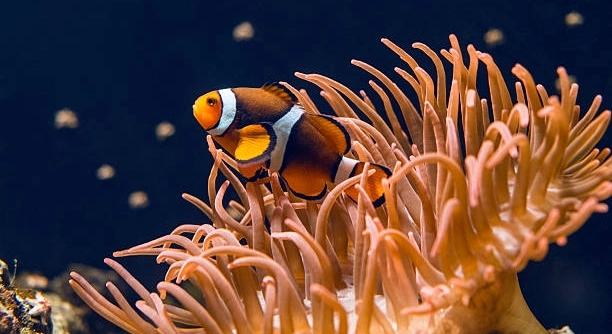
Clownfish are popular aquarium pets known for their bright colors and interesting behaviors. Many people enjoy keeping them, but handling them requires care and knowledge. Avoiding common mistakes helps ensure their health and wellbeing.
When handling clownfish, it is important to avoid sudden movements, improper water conditions, and excessive handling, as these can cause stress or injury. Additionally, avoid using harsh chemicals, overcrowding tanks, and neglecting their dietary needs to maintain a healthy environment.
Knowing these key points can improve your care routine and help your clownfish thrive in their home environment. Proper handling supports their long-term health and happiness.
Avoid Sudden Movements Around Clownfish
Clownfish are sensitive to their surroundings, and sudden movements can easily startle them. When you approach their tank or reach in, move slowly and calmly. Fast motions can cause stress, which weakens their immune system and makes them prone to illness. Stress also affects their natural behavior, causing them to hide or become aggressive. Being gentle when handling or feeding clownfish helps maintain their trust and comfort. It’s important to create a peaceful environment around their tank by avoiding loud noises or abrupt actions. Regular, calm interactions allow the clownfish to feel secure. Keeping a steady hand and calm presence shows respect for their nature and contributes to their overall health.
Sudden, quick movements are the main cause of stress in clownfish. Calm handling reduces the risk of harm and promotes well-being.
Gentle handling is essential for clownfish health. Consistent, slow movements encourage a safe environment and reduce stress-related illnesses. This simple care step improves their quality of life and supports natural behavior.
Maintain Proper Water Conditions
Water quality plays a crucial role in the health of clownfish. They need stable temperature, salinity, and pH levels to thrive. Sudden changes or poor water parameters can lead to stress and disease. Regular water testing and maintenance help keep conditions optimal. Using a reliable filtration system is important to remove waste and toxins. Partial water changes every one to two weeks help maintain cleanliness and balance. Avoid overcrowding the tank, as this causes waste buildup and stresses all inhabitants. Keeping water conditions steady creates a healthy environment for clownfish, supporting their immune system and growth. Proper water care is a key part of responsible clownfish ownership and directly impacts their lifespan and happiness. Monitoring water parameters shows commitment to their well-being and reduces common health issues.
Avoid Excessive Handling
Clownfish are delicate and can become easily stressed by too much handling. Limiting physical contact reduces the risk of injury and helps them feel secure in their environment.
Handling clownfish too often can damage their protective mucus coating. This coating defends against infections and parasites. When it’s removed or harmed, the fish are more vulnerable to illness. Additionally, frequent handling disrupts their normal behavior and causes anxiety. It’s best to observe clownfish without touching them unless necessary. If you must handle them, use gentle, minimal movements and wet hands to protect their skin. Reducing unnecessary contact helps maintain their health and comfort, contributing to a longer, happier life in your aquarium.
Being careful with handling also means avoiding rough nets or tools. Always choose soft, smooth materials and move slowly to prevent injuries. Proper handling techniques show respect for their fragility and promote trust in their environment.
Avoid Harsh Chemicals and Cleaning Agents
Using harsh chemicals or cleaning products near clownfish tanks can introduce toxins that are harmful to the fish. Even small amounts of these substances can cause serious health problems.
Chemical residues can damage clownfish’s sensitive skin and gills, leading to respiratory issues and infections. Many cleaning agents contain ammonia, chlorine, or other compounds that are toxic to aquatic life. Always use aquarium-safe products and thoroughly rinse any equipment or decorations before placing them in the tank. It’s important to avoid spraying or spilling household cleaners near the tank. Keeping the water free from contaminants ensures a safe environment and supports the fish’s immune system. Using proper cleaning methods protects both clownfish and beneficial bacteria essential for water quality. This careful approach helps maintain a balanced, healthy aquarium.
Avoid Overcrowding the Tank
Overcrowding stresses clownfish by limiting space and increasing waste. Each fish needs enough room to swim freely and establish territory.
Too many fish in one tank can cause poor water quality and aggressive behavior. Proper stocking helps maintain balance and reduces stress.
Avoid Neglecting Their Diet
Clownfish require a balanced diet to stay healthy. Feeding them a variety of foods, including pellets, flakes, and frozen options, provides essential nutrients. Consistent feeding schedules prevent malnutrition and support their immune system. Overfeeding should be avoided to reduce waste buildup and water contamination.
Avoid Ignoring Signs of Illness
Monitoring clownfish for changes in behavior or appearance is vital. Early detection of illness allows for timely treatment and prevents serious health issues.
Avoid Using Improper Tank Equipment
Using the wrong equipment can harm clownfish. Filters, heaters, and lighting should match their specific needs to create a stable environment.
How often should I handle my clownfish?
Handling clownfish should be kept to a minimum. These fish are sensitive and can become stressed easily. Ideally, avoid touching them unless absolutely necessary, such as during tank cleaning or medical treatment. When you do handle them, be gentle and use wet hands or soft nets to protect their delicate skin and mucus coating. Frequent handling can lead to health problems and anxiety, so observing them without contact is always best.
What kind of water conditions are best for clownfish?
Clownfish thrive in stable saltwater environments with temperatures between 74°F and 78°F (23°C to 26°C). The salinity should be around 1.020 to 1.025 specific gravity. pH levels need to stay between 8.1 and 8.4 for optimal health. Regularly testing water parameters and performing partial water changes help keep the tank environment balanced. Sudden changes or poor water quality can cause stress, illness, and even death in clownfish.
Can I keep clownfish with other fish species?
Clownfish can cohabitate with many peaceful saltwater species, but overcrowding should be avoided. Choose compatible fish that do not aggressively compete for territory. Avoid placing clownfish with overly aggressive or much larger species, as this can stress or injure them. Proper tank size and hiding spaces help reduce conflicts. Research each species’ temperament before introducing new fish to ensure harmony in your aquarium.
What do clownfish eat and how often should I feed them?
Clownfish eat a varied diet of pellets, flakes, frozen shrimp, and algae-based foods. Feeding small amounts two to three times a day keeps them healthy and energetic. Avoid overfeeding, which causes waste buildup and pollutes the water. Remove uneaten food promptly to maintain cleanliness. A balanced diet supports their immune system and vibrant coloration.
How can I tell if my clownfish is stressed or sick?
Signs of stress or illness include hiding more than usual, loss of appetite, faded colors, rapid breathing, or visible wounds. Behavioral changes like lethargy or aggressive swimming may also indicate problems. Catching these signs early allows for faster treatment. Regular observation and proper tank maintenance are essential to prevent disease and maintain clownfish health.
Is it necessary to quarantine new clownfish before adding them to my tank?
Yes, quarantining new clownfish is highly recommended to prevent introducing diseases or parasites to your main tank. A quarantine period of two to four weeks allows you to monitor their health and treat any infections before mixing them with established fish. This step protects the entire aquarium community and supports long-term stability.
What equipment is essential for a clownfish tank?
A reliable filtration system, heater, and appropriate lighting are essential for maintaining a stable environment. The filter keeps water clean and oxygenated, while the heater maintains consistent temperature. Lighting should mimic natural conditions to support coral and plant growth if present. Proper equipment reduces stress on clownfish and promotes a healthy ecosystem.
Can I keep clownfish without anemones?
Clownfish can live happily without anemones. While they naturally associate with anemones in the wild, they adapt well to tank life without them. Providing hiding spots such as live rock or artificial decorations offers security. Anemones require specific care and lighting, so they are not necessary for successful clownfish keeping, especially for beginners.
How often should I clean the clownfish tank?
Regular maintenance is key to a healthy tank. Perform partial water changes of about 10-20% every one to two weeks to remove waste and toxins. Clean the tank glass, filter, and substrate as needed, but avoid over-cleaning, which can disrupt beneficial bacteria. Consistent cleaning keeps water parameters stable and prevents illness.
What are the common diseases that affect clownfish?
Common diseases include marine ich, fin rot, and bacterial infections. Symptoms are white spots, frayed fins, or abnormal behavior. Preventing disease relies on proper water quality, minimal stress, and quarantine of new fish. Early diagnosis and treatment with appropriate medication improve recovery chances. Preventive care is always better than cure.
Taking good care of clownfish means paying close attention to their needs and avoiding common mistakes. Handling them gently and only when necessary helps prevent stress and injury. It is important to create a calm environment around their tank, moving slowly and quietly to avoid startling them. Clownfish rely on their protective mucus coating to stay healthy, so rough or frequent handling can damage this layer and make them more prone to illness. Respecting their sensitivity shows in how well they adapt and thrive in your aquarium.
Water quality is one of the most critical factors in keeping clownfish healthy. Maintaining stable temperature, salinity, and pH levels requires regular testing and partial water changes. Using the right equipment, such as a good filtration system and heater, supports a balanced habitat. Overcrowding the tank or using harsh chemicals can quickly upset this balance, leading to poor water conditions and stressed fish. Ensuring a clean, stable environment strengthens their immune system and reduces the chance of disease. Paying attention to these details makes a big difference in the wellbeing of your clownfish.
Feeding clownfish a varied and balanced diet supports their health and vibrant colors. Overfeeding should be avoided as it can cause water pollution and health problems. Observing the fish regularly helps catch early signs of stress or illness, allowing for prompt care. Quarantining new fish protects the entire aquarium from potential diseases. By following these basic care principles and avoiding common errors, you provide your clownfish with a comfortable, safe home. This careful approach encourages their natural behavior and longevity, making the experience rewarding for both you and your fish.

Hello,
If you enjoy the content that we create, please consider saying a "Thank You!" by leaving a tip.
Every little bit helps us continue crafting quality advice that supports the health, happiness, and well-being of pets around the world, for pets of all shapes, sizes, and species.
We really appreciate the kindness and support that you show us!