
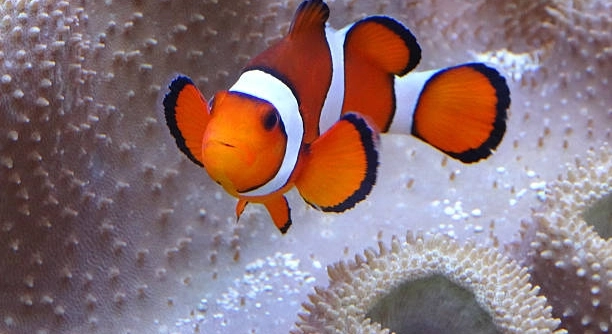
Clownfish are popular aquarium fish known for their bright colors and unique behaviors. Many aquarists want to ensure their tanks provide the best environment for these fish. Understanding how clownfish respond to changes in their habitat is important for their care.
Clownfish can detect changes in tank parameters such as temperature, salinity, and water quality. They respond to these changes through altered behavior, which helps them avoid stress or harm. This sensitivity is vital for maintaining their health in captivity.
Knowing how clownfish react to their environment can help hobbyists keep their tanks stable and comfortable. This article explores the ways clownfish sense and respond to their aquatic surroundings.
How Clownfish Sense Changes in Their Environment
Clownfish rely on several senses to detect changes in their environment. Their keen eyesight helps them notice differences in light and movement, while their lateral line system senses vibrations and water currents. This system is a series of sensory organs along their sides that detect pressure changes, which is important for identifying disturbances in the tank. Chemical cues in the water also play a major role. Clownfish can sense changes in water quality, such as shifts in pH, ammonia, and nitrate levels, through their ability to detect chemicals dissolved in water. When these parameters shift beyond normal ranges, the fish may become stressed or display warning behaviors. Temperature fluctuations are particularly significant because clownfish thrive within a narrow range. When water temperature rises or falls suddenly, their metabolism and activity levels change accordingly. Together, these sensory inputs allow clownfish to monitor their environment and adjust their behavior to stay safe and healthy.
Clownfish depend on sensory input to detect environmental shifts and protect themselves from stress or harm.
Understanding these sensory mechanisms is key to maintaining a stable tank environment that supports their well-being. Proper monitoring of tank parameters will help keep clownfish comfortable and reduce stress-related behaviors. This knowledge benefits both hobbyists and the fish, creating a healthier aquarium ecosystem overall.
Behavioral Responses to Tank Parameter Changes
When tank conditions change, clownfish show clear behavioral signs. They may swim more erratically or hide more often, indicating discomfort. Reduced feeding and lethargy are common responses to poor water quality or inappropriate temperatures. Aggression or increased territorial behavior can also appear when fish feel stressed. Some clownfish may change color slightly as a sign of stress or illness. These behaviors are important signals for aquarists to notice early problems before the fish suffer serious harm. Consistent monitoring and quick adjustments to tank conditions can help prevent prolonged stress. By watching for these signs, owners can maintain a healthy environment and avoid costly mistakes. Proper filtration, regular water testing, and stable temperature control are essential to minimizing sudden changes that upset clownfish. Ensuring that these basic needs are met allows clownfish to thrive and display their natural, vibrant behavior.
Signs of Stress in Clownfish
Clownfish show several clear signs when stressed by changes in tank conditions. These include hiding, loss of appetite, sluggish movement, and unusual aggression. Observing these behaviors early is crucial to prevent serious health issues.
Stress affects clownfish by weakening their immune system, making them more vulnerable to disease. Changes in water temperature, poor water quality, or high ammonia levels can all trigger stress. When stressed, clownfish often lose their vibrant colors and become less active. This can impact their overall well-being and reduce their chances of breeding. Identifying these signs quickly allows for timely intervention to restore proper tank conditions. Frequent water testing and maintaining a clean environment can reduce the risk of stress.
Behavioral changes like erratic swimming or frequent hiding are common responses to environmental disturbances. These are signals that adjustments in tank care are needed to improve conditions. Proper attention to water parameters helps clownfish regain their normal behavior and health.
Maintaining Stable Tank Conditions
Stable tank conditions are essential for clownfish health and longevity. Consistency in temperature, pH, and water quality reduces stress and supports natural behavior. Sudden changes should be avoided whenever possible.
Temperature should be kept between 75°F and 82°F (24°C–28°C) to match the clownfish’s natural habitat. pH levels need to remain steady around 8.0 to 8.4. Regular water changes and filtration help control ammonia and nitrate levels, which can quickly become harmful. Using reliable test kits allows for frequent monitoring and early detection of issues. Avoid overcrowding the tank, as this increases waste and stress among fish. Feeding a balanced diet also contributes to their overall health. These steps together create a stable environment where clownfish can thrive and display normal, healthy behaviors.
Impact of Water Quality on Clownfish
Water quality directly affects clownfish health and behavior. Poor water quality can cause stress, illness, and reduced lifespan. Regular testing and maintenance are critical.
High ammonia, nitrite, or nitrate levels can be toxic. Keeping these levels low prevents harm and supports a healthy tank environment.
How Temperature Fluctuations Affect Clownfish
Temperature changes influence clownfish metabolism and immune response. Sudden drops or spikes in temperature can cause stress and weaken the fish. Maintaining a stable temperature close to their natural range is essential for their well-being.
Importance of pH Stability
Stable pH helps maintain physiological balance in clownfish. Fluctuations can cause stress and affect their ability to absorb nutrients. Monitoring and adjusting pH levels regularly is necessary to prevent health issues.
Role of Lighting in Tank Environment
Proper lighting supports clownfish’s natural behavior and overall health. It helps regulate their daily cycles and supports coral growth if present. Inadequate lighting may cause stress or abnormal behavior.
FAQ
Can clownfish survive sudden changes in tank parameters?
Clownfish can survive some sudden changes, but these often cause stress that weakens their immune system. Rapid shifts in temperature, pH, or water quality can lead to illness or even death if not corrected quickly. It is best to keep tank conditions stable and make any adjustments gradually.
How quickly do clownfish react to water quality changes?
Clownfish often react within hours to poor water quality. Signs like hiding, reduced activity, or loss of appetite can appear quickly. This fast response helps them avoid danger but also signals to the owner that immediate water testing and corrections are needed.
What behaviors indicate clownfish are stressed?
Common stress behaviors include hiding more than usual, erratic swimming, loss of color, and refusal to eat. Sometimes they show aggression or unusual lethargy. Watching for these signs daily helps catch problems early and keep clownfish healthy.
Can clownfish detect changes in water temperature?
Yes, clownfish are sensitive to temperature changes. Even small shifts outside their preferred range (75°F to 82°F) can affect their metabolism and behavior. Maintaining a steady temperature is crucial to avoid stress and health issues.
How often should I test tank water for parameters?
Testing water at least once a week is recommended. More frequent checks may be necessary if problems arise or if the tank is new. Monitoring ammonia, nitrite, nitrate, pH, and temperature keeps the environment safe for clownfish.
What can I do if my clownfish shows stress signs?
First, test the water for any parameter outside normal ranges. Correct any issues with water changes or filtration adjustments. Ensure temperature is stable. Reduce tank disturbances and avoid overcrowding. Providing a calm, clean environment helps clownfish recover quickly.
Do clownfish respond differently to chemical changes versus temperature changes?
Yes. Chemical changes like high ammonia cause immediate stress and health risks, while temperature changes affect metabolism and immune response over time. Both need attention, but chemical imbalances usually require faster action.
Is it normal for clownfish to hide after a tank change?
Yes, clownfish often hide after changes in their environment as a stress response. This behavior usually decreases as they adjust, but prolonged hiding signals a problem with tank conditions or health that needs addressing.
Can clownfish adapt to gradual changes in tank parameters?
Clownfish can tolerate slow, gradual changes better than sudden ones. Slowly adjusting temperature or pH over several days reduces stress. Abrupt shifts can overwhelm their ability to adapt, leading to health issues.
How does poor water quality affect clownfish coloration?
Poor water quality often causes clownfish to lose their bright colors and appear dull. This color change is a stress signal and may indicate underlying health problems. Improving water conditions usually restores their natural coloration.
What role does diet play in clownfish response to tank changes?
A balanced diet strengthens clownfish immune systems, helping them cope with minor environmental stress. Malnourished fish are more vulnerable to illness from tank parameter changes. Feeding a variety of quality foods supports overall resilience.
Are some clownfish species more sensitive to tank changes?
Yes, certain species or strains may be more sensitive, especially wild-caught clownfish. Captive-bred ones tend to be hardier. Knowing the specific needs of your clownfish type helps in managing tank parameters carefully.
Can lighting changes stress clownfish?
Sudden or extreme changes in lighting can cause stress and disrupt clownfish behavior. Consistent lighting schedules that mimic natural day and night cycles are important to maintain normal activity and health.
What equipment helps maintain stable tank conditions for clownfish?
Heaters with thermostats, reliable filtration systems, and water testing kits are essential. Automated devices like dosing pumps can help manage water chemistry. Using good equipment reduces parameter fluctuations and protects clownfish health.
How important is tank size for stable conditions?
Larger tanks tend to have more stable water parameters because changes are diluted over greater volume. Smaller tanks require more frequent monitoring and maintenance to avoid rapid shifts that can stress clownfish.
These questions cover many concerns about clownfish and their ability to detect and respond to changes in tank parameters. Paying attention to behavior and water quality is key to providing a healthy home for these colorful fish.
Clownfish are sensitive to changes in their tank environment, and understanding this sensitivity helps in providing better care. They rely on their senses to detect shifts in water temperature, quality, and other parameters. When these factors change too quickly or go beyond acceptable limits, clownfish can become stressed. Stress affects their behavior and health, which can lead to illness if not addressed. By maintaining stable tank conditions, aquarists can help clownfish stay healthy and active.
Keeping a tank stable means regularly checking water parameters like temperature, pH, ammonia, nitrite, and nitrate levels. Using reliable testing tools and making gradual adjustments when needed is important. Sudden changes, even small ones, can cause distress for clownfish. Their behavior often reflects how well the tank is maintained, so observing signs like hiding, reduced activity, or color changes gives clues about their well-being. Acting quickly to fix any problems helps prevent long-term damage and keeps clownfish thriving in captivity.
Overall, caring for clownfish involves a careful balance of monitoring, maintenance, and attention to their environment. With the right setup and routine, clownfish can adapt well and live comfortably in home aquariums. Understanding how they detect and respond to changes encourages responsible tank management. This approach ensures clownfish display their natural behaviors and bright colors, making them a rewarding species to keep.

Hello,
If you enjoy the content that we create, please consider saying a "Thank You!" by leaving a tip.
Every little bit helps us continue crafting quality advice that supports the health, happiness, and well-being of pets around the world, for pets of all shapes, sizes, and species.
We really appreciate the kindness and support that you show us!