
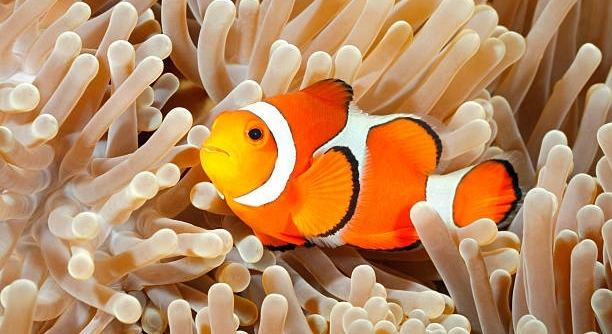
Clownfish are popular pets in home aquariums, known for their vibrant colors and unique behavior. Watching them adjust to their new environment can be rewarding for any fish keeper. Recognizing signs of settling helps ensure their well-being.
When a clownfish is settling in, it exhibits consistent swimming patterns, interacts with its surroundings, and shows interest in food. It also establishes territory within the tank and gradually becomes less skittish. These actions indicate adaptation and comfort in its habitat.
Observing these behaviors early can improve your care approach and foster a healthier aquarium environment for your clownfish. The following details explain how to identify these important signs.
Consistent Swimming Patterns
When a clownfish begins to settle into its tank, its swimming becomes more steady and purposeful. At first, it may dart around nervously or hide, but over time, you will notice it exploring its environment calmly. This consistent swimming shows the fish is adapting to its new surroundings and gaining confidence. It often patrols familiar areas without sudden bursts of speed or panic. The clownfish will also spend time near its preferred spots, such as anemones or rock formations, which offer safety and comfort. Watching this behavior helps confirm that the fish is no longer stressed and is establishing its place in the tank. Such changes usually appear within the first week of introduction.
Consistent swimming is a clear indicator of acclimation and comfort in the aquarium environment.
Monitoring swimming patterns allows you to assess your clownfish’s adjustment progress and make any needed changes to tank conditions to support its well-being.
Interaction With the Environment
Clownfish interact with their surroundings once they begin to settle. This includes investigating objects, nibbling on surfaces, and occasionally chasing small tank mates or bubbles. These interactions indicate curiosity and comfort, showing the fish is engaging actively with the environment rather than hiding. Settled clownfish may also adjust decorations or anemones by swimming around or near them consistently. They respond to changes in light or water flow, demonstrating awareness of their habitat. When feeding time comes, a settled clownfish reacts quickly, swimming confidently to food without hesitation. This behavior contrasts with the earlier days when it might have ignored or avoided food due to stress.
This stage of interaction is vital as it marks the clownfish’s acceptance of the tank as its home and signals good health and adaptation. Encouraging this behavior through a stable environment improves long-term well-being.
Establishing Territory
Clownfish show signs of settling by marking and defending a specific area within the tank. This territorial behavior helps them feel secure.
Once a clownfish settles, it chooses a favored spot, often near anemones or coral, where it spends most of its time. The fish will chase away other tank mates that approach too closely, asserting control over its space. This behavior signals that the clownfish feels safe and confident in its environment. Territoriality also supports natural instincts, which contribute to the fish’s overall health and stress reduction. Recognizing this action can help ensure the tank setup provides enough hiding places and boundaries for the fish to feel comfortable.
Providing adequate territory and observing territorial behaviors helps maintain peace among tank inhabitants and supports the clownfish’s natural habits.
Reduced Skittishness
Settling clownfish display less skittishness and appear calmer in their environment. They react less to sudden movements or noises.
This reduction in fear shows that the fish has grown accustomed to its surroundings and trusts the tank environment. It will swim openly and explore rather than hiding at the bottom or behind decorations. The clownfish may even approach the glass or its keeper without darting away immediately. Lower stress levels improve the fish’s immune system and encourage natural behaviors like feeding and interaction. Reduced skittishness is a reliable sign that the clownfish has successfully adapted to its new home and is thriving under the care it receives.
Increased Appetite
A settling clownfish will show a noticeable increase in appetite. It begins eating regularly and eagerly during feeding times.
This change signals that the fish feels secure enough to focus on nourishment and growth, an important step in its adaptation process.
Interaction With Tank Mates
As clownfish settle, they begin to interact more with other fish in the tank. This includes swimming nearby without signs of aggression or fear.
Such social behavior indicates the fish’s comfort level has improved, allowing peaceful coexistence and a balanced aquarium environment.
Exploring New Areas
Once comfortable, clownfish start exploring different parts of the tank beyond their initial territory.
This behavior shows curiosity and confidence, important signs that the fish is adjusting well and feeling at ease in its home.
FAQ
How long does it take for a clownfish to settle in?
Clownfish usually take about one to two weeks to fully settle into a new tank. During this time, they gradually become comfortable with their environment, showing steady swimming, eating regularly, and establishing territory. Some fish may take longer depending on tank conditions and their individual temperament.
What are the best conditions to help a clownfish settle faster?
Stable water parameters, proper tank size, and hiding spots like anemones or coral help clownfish adjust quickly. Keeping the water temperature between 74–79°F (23–26°C), maintaining proper salinity, and avoiding sudden changes in lighting or decoration reduce stress and promote settling.
Why is my clownfish hiding all the time?
Hiding is common when a clownfish is new or stressed. It may feel insecure or overwhelmed by its environment. Ensure water quality is good, there is enough shelter, and no aggressive tank mates. Hiding usually decreases as the fish gains confidence and settles.
Can clownfish live without an anemone?
Yes, clownfish can live without anemones in a well-maintained tank. They will find other structures like rocks or coral to claim as territory. While anemones provide natural protection and comfort, clownfish are adaptable and can thrive without them if other conditions are met.
What should I do if my clownfish refuses to eat?
Refusal to eat is often linked to stress or illness. Check water quality and tank parameters first. Try offering a variety of foods such as pellets, flakes, or frozen options. Feeding small amounts several times a day can encourage eating. If refusal persists, consult an expert or veterinarian.
Is it normal for clownfish to chase other fish?
Yes, territorial behavior is normal as clownfish establish their space. They may chase smaller or similarly sized fish but usually avoid larger tank mates. This behavior lessens once territory is set and the fish feels secure. Providing enough space helps reduce conflicts.
How do I know if my clownfish is healthy?
Healthy clownfish swim steadily, eat well, show bright colors, and interact with their environment. They avoid hiding excessively and do not display signs of disease such as spots, discoloration, or rapid breathing. Regular observation helps catch early signs of problems.
Can clownfish change sex?
Clownfish are protandrous hermaphrodites, meaning they can change sex from male to female. Usually, the dominant fish in a pair becomes female, and the other male. This natural process occurs in the wild and captivity, helping maintain breeding pairs.
How often should I feed my clownfish?
Feeding two to three times daily in small amounts is ideal. Overfeeding can pollute the tank and harm water quality. Offering varied diet options promotes good health. Remove uneaten food after a few minutes to keep the tank clean.
What signs indicate my clownfish is stressed?
Signs of stress include erratic swimming, hiding, loss of appetite, faded colors, and heavy breathing. Stress can result from poor water quality, aggressive tank mates, or sudden changes in the environment. Identifying and fixing these issues helps the fish recover.
Can clownfish live with other species?
Clownfish can coexist with many peaceful species, but compatibility depends on tank size and fish temperament. Avoid aggressive or much larger fish. Proper space and hiding places support harmony in a mixed-species aquarium.
Do clownfish require special lighting?
Clownfish do not need special lighting, but proper aquarium lighting supports overall tank health. Lighting helps maintain the natural day-night cycle, which benefits fish behavior and the growth of plants or anemones.
How do I clean the tank without stressing my clownfish?
Perform regular water changes and clean the tank carefully. Use gentle equipment and avoid sudden temperature or water chemistry changes. Move decorations slowly if needed. Keeping a consistent cleaning schedule minimizes stress.
Is it necessary to quarantine a new clownfish?
Quarantining new fish for two to four weeks before adding them to the main tank helps prevent disease introduction. It allows monitoring for illness and treating problems early, protecting both the new fish and current tank inhabitants.
What is the average lifespan of a clownfish?
In captivity, clownfish typically live between 5 to 10 years with proper care. Good water quality, a balanced diet, and a stress-free environment extend their lifespan. Some individuals may live longer under optimal conditions.
Final thoughts are important when caring for clownfish, as understanding their behavior can help ensure they live a healthy and comfortable life in your aquarium. Recognizing the signs that your clownfish is settling in is key to knowing how well it is adapting to its new environment. Consistent swimming, increased appetite, reduced skittishness, and territorial behavior all indicate that the fish is becoming comfortable. These signs show the fish is adjusting, feeling less stressed, and establishing itself in the tank. Paying attention to these behaviors helps you provide the right care and conditions to support its well-being.
It is also essential to maintain stable water parameters and a clean tank to promote the health of your clownfish. Regular monitoring of temperature, salinity, and cleanliness helps prevent stress and illness. Clownfish are sensitive to sudden changes, so keeping their environment stable allows them to settle faster. Providing hiding places such as anemones, rocks, or coral helps your clownfish feel secure. The right tank mates and a consistent feeding routine also contribute to a peaceful and healthy habitat. When the fish shows signs of exploring and interacting more, it means the care you provide is working.
Ultimately, patience plays a significant role in helping your clownfish settle in. Every fish is different, and some may take longer to adjust than others. Watching for the signs mentioned earlier and making adjustments to the environment when needed will encourage your clownfish to thrive. Providing a calm and stable tank, with appropriate food and shelter, ensures your fish can grow and live comfortably. Understanding these factors allows you to create a balanced aquarium that benefits not only your clownfish but the entire aquatic community.

Hello,
If you enjoy the content that we create, please consider saying a "Thank You!" by leaving a tip.
Every little bit helps us continue crafting quality advice that supports the health, happiness, and well-being of pets around the world, for pets of all shapes, sizes, and species.
We really appreciate the kindness and support that you show us!