
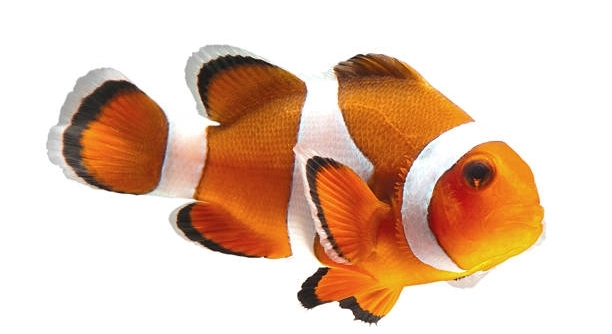
Pairing clownfish in home aquariums can be tricky for many enthusiasts. It requires attention to their behavior and environment to create a peaceful and healthy tank. Mistakes in pairing often lead to stress or aggression between the fish.
Common mistakes when pairing clownfish include ignoring compatibility, overcrowding tanks, and failing to monitor aggression levels. Poor water quality and improper acclimation also contribute to problems, which can harm the fish’s health and overall wellbeing in captivity.
Recognizing these errors early helps ensure a more harmonious aquarium. This guide will highlight key issues to avoid when caring for clownfish pairs.
Ignoring Compatibility Between Clownfish Species
Choosing clownfish species without considering their natural behaviors is a common mistake. Some species are naturally more aggressive or territorial than others. Mixing these types can cause constant fighting and stress. For example, an Ocellaris clownfish tends to be more peaceful, while a Maroon clownfish is known for its aggression. Pairing them without thought often leads to injury or even death. It’s important to research the specific needs and temperaments of each species before adding them to your tank. Compatibility also depends on size and age, as larger fish may bully smaller ones. Without proper pairing, your clownfish may never settle, resulting in a disrupted environment for all tank inhabitants.
Clownfish with mismatched temperaments can create ongoing tension. It’s best to pair fish that have similar behaviors and needs.
Being mindful about species compatibility reduces conflict and keeps your tank balanced. Knowing their natural traits helps create a peaceful pairing where both fish thrive. Choosing the right pair from the start saves a lot of trouble down the line.
Overcrowding the Tank
Overcrowding a tank puts stress on clownfish and other aquatic life. It reduces swimming space and can increase waste buildup quickly. When too many fish share limited space, competition for hiding spots and food grows. This stress often leads to illness or fights. Even if the tank is large, adding too many clownfish or incompatible species will cause problems. Ideally, clownfish should have enough room to establish territories and feel safe. Overcrowding also affects water quality, making it harder to maintain stable conditions. Frequent water changes and proper filtration become more difficult when fish numbers are too high. Keeping the tank less crowded helps clownfish behave naturally and lowers stress. A calm environment supports their health and encourages peaceful interactions.
Overcrowding limits clownfish’s ability to thrive. A spacious, well-maintained tank improves their comfort and wellbeing.
Failing to Monitor Aggression
Aggression between clownfish can escalate quickly if left unchecked. It is important to watch their behavior daily.
Signs of aggression include chasing, biting, and fin nipping. Sometimes, one clownfish will dominate the other, causing stress or injury. Early intervention can prevent serious harm. Separating the fish temporarily or rearranging the tank setup may reduce conflict. Providing plenty of hiding spots helps both fish feel secure. Regular observation allows you to catch problems before they worsen.
Ignoring aggressive behavior can lead to long-term damage or death. Clownfish pairs need a calm environment where both can thrive. Taking action when aggression appears protects their health and helps maintain peace in the tank.
Poor Water Quality
Water quality plays a critical role in clownfish health. Even small changes can cause stress and illness.
Clownfish are sensitive to high ammonia, nitrite, or nitrate levels. These compounds build up quickly if filtration is inadequate or water changes are infrequent. Maintaining stable temperature, pH, and salinity is also essential. Sudden shifts in these conditions can shock the fish and weaken their immune system. Testing water regularly helps detect problems early. Using a good filtration system and performing routine water changes keeps the environment safe. Clean water supports their immune response and reduces disease risks.
Neglecting water quality leads to poor health and may increase aggression. Prioritizing water care ensures your clownfish remain happy and vibrant.
Improper Acclimation
Acclimating clownfish too quickly causes stress. Moving them slowly into new water conditions is essential.
Rushing this process shocks their system. Gradual adjustment helps them adapt without health risks or behavioral issues.
Not Providing Enough Hiding Spots
Clownfish need places to retreat. Without enough shelter, stress and aggression increase.
Adding live rock or artificial caves creates safe zones. This reduces conflict and lets fish rest comfortably.
Feeding Mistakes
Overfeeding or underfeeding clownfish can cause health problems. It’s important to provide balanced, measured meals. Overfeeding leads to poor water quality, while underfeeding weakens fish and increases stress. Feed small amounts two to three times a day, adjusting based on their appetite and tank conditions.
How do I know if my clownfish are compatible?
Compatibility depends mostly on species and temperament. Pairing clownfish that share similar behavior and size usually works best. For example, two Ocellaris clownfish are more likely to get along than a mix of Ocellaris and Maroon, since the latter can be aggressive. Observing their interactions after introducing them is key. Signs of compatibility include swimming calmly together, sharing hiding spots, and no chasing or biting. Researching species traits before pairing helps avoid surprises. Sometimes, even compatible pairs can have issues if the tank is overcrowded or if hiding spaces are limited.
What are early signs of aggression I should watch for?
Aggression often starts with chasing, quick darting movements, or nipping at fins. One clownfish might block the other’s access to food or hideouts. You might see one fish flaring its fins or puffing up its body to look bigger. Increased hiding or signs of stress like faded colors can also indicate problems. Catching these behaviors early allows for changes in the tank setup or temporary separation, which can prevent injury or stress from worsening.
How important is tank size for clownfish pairs?
Tank size matters a lot. Too small a space increases competition and stress. Generally, a minimum of 20 gallons is recommended for a pair. Larger tanks provide more room for territories and hiding spots, reducing aggressive behaviors. More space also helps maintain stable water quality, which is crucial for fish health. While size alone isn’t enough, it supports better social balance and reduces conflict risks.
Can clownfish live with other fish?
Yes, clownfish can share a tank with certain species, but compatibility is important. Avoid pairing them with highly aggressive fish or fast swimmers that outcompete clownfish for food. Peaceful fish like gobies, blennies, or tangs often do well alongside clownfish. It’s important to watch their behavior carefully when introducing new tank mates. Each tank’s dynamics are different, so gradual introductions and enough space for all fish to establish territories help reduce stress.
How often should I clean the tank to keep clownfish healthy?
Regular tank maintenance is essential. Partial water changes of 10-20% every one to two weeks are usually enough to keep water quality high. Cleaning filters and removing excess waste prevents harmful chemical buildup. Avoid complete tank cleaning, as this can remove beneficial bacteria. Consistency in maintenance reduces stress and illness, creating a stable home for clownfish.
What diet is best for clownfish?
A varied diet is best for clownfish health. Offer a mix of high-quality flakes, pellets, frozen or live foods like brine shrimp and mysis shrimp. Feeding small amounts two to three times daily meets their nutritional needs without overloading the tank with waste. Balanced nutrition helps maintain vibrant colors and energy levels, supporting overall wellbeing.
How do I introduce two clownfish to avoid fighting?
Introduce clownfish slowly by rearranging the tank decor beforehand. Changing hiding spots and territory boundaries helps reduce territorial disputes. Start with fish of similar size and age. Placing both fish in separate containers inside the tank for a few days allows them to see each other without direct contact. When finally released, monitor them closely for aggressive behavior. Having extra hiding spots ready provides safe areas for retreat. Patience during introduction increases chances of peaceful pairing.
What should I do if my clownfish keep fighting?
If fighting continues, try separating the fish temporarily. Rearranging tank decorations can reset territories. Adding more hiding places helps reduce conflict. Check water quality and tank size to ensure the environment isn’t stressing the fish. If aggression persists, consider moving one fish to another tank. Ongoing stress harms their health, so it’s better to avoid forcing a pairing that isn’t working.
Is it necessary to have anemones with clownfish?
Anemones are not required for clownfish to thrive in home aquariums. While clownfish naturally form symbiotic relationships with anemones in the wild, many do well without them. Anemones need special care and stable water conditions, which can be difficult to maintain. Clownfish will use other tank decorations or live rock for shelter if no anemones are present. Providing a safe environment with hiding spots is more important than adding anemones.
Can clownfish breed in a home aquarium?
Yes, clownfish can breed in captivity if conditions are right. They usually form pairs and lay eggs on flat surfaces near their territory. Successful breeding requires stable water quality, proper diet, and minimal stress. Raising fry can be challenging as they need specific food and care. Many hobbyists find breeding rewarding but it takes preparation and patience. Watching clownfish develop their natural behaviors can be very satisfying.
When pairing clownfish, paying close attention to their needs and behaviors is essential. Each clownfish species has its own temperament, and understanding these differences helps create a peaceful environment. Avoiding common mistakes like overcrowding or ignoring aggression makes a big difference in their wellbeing. Providing enough space, hiding spots, and clean water supports healthy interactions between fish. Taking time to research and plan your tank setup increases the chance of success with clownfish pairs. This approach helps the fish live comfortably and reduces stress.
Proper care also means monitoring clownfish regularly. Watching for early signs of aggression or health problems can prevent serious issues. Acting quickly when problems arise, such as separating fighting fish or adjusting the tank layout, helps maintain harmony. Feeding the right diet and maintaining good water quality are equally important. These factors contribute to stronger immune systems and happier fish overall. Paying attention to these details can improve the long-term health of your clownfish and make your aquarium more enjoyable.
In the end, patience and observation are key. Clownfish pairs need time to settle and feel secure in their space. It is normal for some minor squabbles to happen, but ongoing fights should not be ignored. Creating a balanced, calm environment with the right conditions gives clownfish the best chance to thrive together. When these needs are met, their natural colors, behaviors, and unique personalities shine through. Caring for clownfish this way makes the aquarium a rewarding experience and brings more life and activity to your home.

Hello,
If you enjoy the content that we create, please consider saying a "Thank You!" by leaving a tip.
Every little bit helps us continue crafting quality advice that supports the health, happiness, and well-being of pets around the world, for pets of all shapes, sizes, and species.
We really appreciate the kindness and support that you show us!