
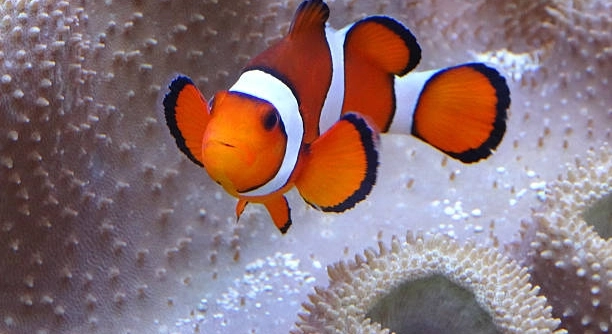
Clownfish are popular in home aquariums and known for their bright colors and lively behavior. Many fishkeepers notice that clownfish may behave differently depending on their tank environment. These changes can be subtle or quite noticeable.
Clownfish behavior can vary significantly between different tanks due to factors such as tank size, water quality, tank mates, and hiding spaces. Environmental conditions and social interactions influence their activity levels, aggression, and feeding habits.
Understanding how tank conditions affect clownfish behavior helps keepers create better habitats. This knowledge supports healthier and happier clownfish in any aquarium setup.
How Tank Size Affects Clownfish Behavior
The size of the tank can have a big impact on how clownfish act. In smaller tanks, clownfish may seem more stressed or territorial because they have less space to swim and explore. Limited space can lead to increased aggression, especially if multiple fish share the tank. On the other hand, larger tanks give clownfish more room to swim freely and establish their own territories. This extra space often results in calmer, less aggressive behavior. It also allows them to interact more naturally with their environment, like hiding among anemones or rocks. Proper tank size is essential for their well-being and overall behavior.
Smaller tanks can cause clownfish to act more defensively due to limited space, while larger tanks allow more natural and relaxed behavior.
Keeping a tank that fits the needs of clownfish can reduce stress and aggression. It also encourages them to show natural behaviors, which can be enjoyable to watch. When choosing a tank, consider both the number of fish and their swimming needs to create a comfortable environment.
Water Quality and Its Influence on Behavior
Water quality plays a major role in clownfish behavior. Poor water conditions can make clownfish sluggish or stressed, affecting how they interact with other fish and their surroundings.
Maintaining good water quality means regularly testing parameters like pH, ammonia, nitrate, and temperature. Stable water conditions keep clownfish healthy and active. Dirty or unbalanced water can cause irritation or illness, leading to hiding or aggression. When water is clean and well-maintained, clownfish tend to be more lively and show natural behaviors. This improves their overall health and longevity, making the aquarium a better place for them. Regular water changes and proper filtration are key to maintaining this balance and helping clownfish feel secure in their tank environment.
Tank Mates and Social Behavior
Clownfish behavior changes a lot depending on who else is in the tank.
Some tank mates can make clownfish more aggressive or shy. For example, keeping them with other aggressive fish may cause stress and defensive actions. Peaceful fish usually help clownfish feel safe and behave naturally. The presence of anemones or similar shelters also affects how comfortable clownfish feel. When clownfish have compatible companions, they tend to show less fighting and more natural interactions like cleaning and exploring. Choosing the right tank mates is important to create a balanced environment.
Tank mates influence clownfish mood and actions because of competition for food, space, and attention. Clownfish might act boldly with some species or hide when others intimidate them. Observing these social dynamics helps manage the tank better and reduce conflicts. This also ensures clownfish remain healthy and active without unnecessary stress.
Hiding Spots and Territory
Clownfish need places to hide, which affects their behavior. They become less stressed when they have good shelters.
Hiding spots such as rocks, coral, or anemones give clownfish a sense of security. When fish feel safe, they are more relaxed and show natural behaviors like feeding and swimming confidently. Without enough hiding places, clownfish might act nervously or aggressively to protect limited spaces. Providing plenty of hiding areas helps reduce stress and aggression. It also encourages healthy social behaviors and improves the overall environment.
Territory is important for clownfish. They defend their preferred spots strongly but behave calmly when those areas are respected. Good tank design with enough shelters helps clownfish live peacefully, even in groups.
Feeding Routine and Behavior
Clownfish behavior can change based on their feeding schedule. Regular feeding helps keep them active and reduces stress.
Irregular or insufficient feeding may cause aggression or competition among clownfish. Consistent feeding supports calmer and healthier fish, improving their daily behavior.
Lighting and Activity Levels
Lighting in the tank affects how active clownfish are. Bright lights can encourage more movement and exploration, while dim lighting may make them quieter and less active. Proper lighting mimics their natural habitat and supports healthy rhythms.
Stress Factors and Their Effects
Stress from sudden changes or poor conditions can alter clownfish behavior quickly. Stress makes them hide more, eat less, or act aggressively. Minimizing stress through stable tank conditions helps clownfish stay balanced and show natural behavior.
FAQ
Can clownfish live peacefully with other fish?
Clownfish can live peacefully with many types of fish if the tank is properly set up. They tend to do well with peaceful species that don’t compete aggressively for space or food. However, clownfish may become territorial, especially during breeding or when hiding spots are limited. Choosing calm tank mates and providing enough room and shelters helps reduce conflicts. Observing fish interactions regularly will show if any adjustments are needed to keep peace in the tank.
Why do clownfish sometimes hide a lot?
Hiding is a normal behavior for clownfish when they feel stressed or threatened. Changes in the environment, new tank mates, or poor water conditions can cause this. Hiding helps them feel safe. If hiding increases suddenly or lasts a long time, it’s important to check water quality, tank mates, and available shelters to make sure everything is suitable.
Do clownfish always stay with anemones?
Clownfish have a natural bond with anemones, but they don’t always need one in the tank. They can adapt to living without anemones if the environment offers enough hiding places. Anemones provide safety and comfort, which helps reduce stress and aggression. However, not all clownfish will seek anemones constantly; some may explore more freely, especially in well-decorated tanks.
How often should I feed my clownfish?
Feeding clownfish once or twice a day is usually enough. They benefit from small, regular meals to keep their energy up and behavior calm. Overfeeding can cause poor water quality, leading to health and behavior problems. A varied diet including pellets, flakes, and occasional frozen or live foods helps keep them healthy and active.
Can clownfish change behavior as they grow?
Yes, clownfish behavior can change as they grow. Young clownfish are often shy and less aggressive. As they mature, they may become more territorial and dominant, especially during breeding seasons. Their social hierarchy might shift too, which can change how they act toward tank mates. Understanding these changes helps keep their environment comfortable at every stage.
What causes aggression in clownfish?
Aggression is usually caused by competition for space, food, or mates. Stressful tank conditions, such as overcrowding or poor hiding places, can increase aggressive behavior. Aggression can also arise when new clownfish or tank mates are introduced. Managing tank size, ensuring enough shelters, and careful selection of tank mates can reduce aggression.
Is it normal for clownfish to be inactive sometimes?
Clownfish can have quiet periods when they rest or feel secure in their environment. Inactivity is normal if the fish looks healthy and eats well. However, prolonged inactivity combined with poor appetite or unusual hiding may signal health problems or poor water quality. Regular monitoring helps spot when inactivity becomes a concern.
How does water temperature affect clownfish behavior?
Water temperature impacts clownfish activity levels. They are most comfortable in stable temperatures between 75°F and 82°F (24°C to 28°C). Temperatures outside this range can cause stress, leading to changes in swimming, feeding, and social behaviors. Keeping the tank temperature steady is important for healthy clownfish behavior.
Can lighting schedules influence clownfish mood?
Lighting schedules that mimic natural day and night cycles help maintain healthy clownfish moods. Sudden changes or very bright lighting for too long may cause stress, leading to hiding or aggression. Consistent light periods with dimming phases support regular activity and rest patterns, helping clownfish feel secure and behave normally.
What should I do if my clownfish starts acting aggressively suddenly?
If aggression appears suddenly, check for recent changes in tank conditions, new fish introductions, or water quality issues. Providing extra hiding spots and ensuring enough space can help reduce tension. If aggression continues, consider separating aggressive fish temporarily until the situation improves. Patience and careful observation are key.
Clownfish are interesting creatures whose behavior can change a lot depending on their environment. Factors like tank size, water quality, tank mates, hiding spots, feeding routine, and lighting all play a role in how they act. Each tank is different, and clownfish will respond to their surroundings in various ways. Understanding these factors helps keep clownfish healthy and comfortable. It also allows fishkeepers to enjoy watching natural and calm behaviors in their fish.
When clownfish live in a well-maintained tank, they tend to be less stressed and more active. Good water quality and stable temperatures are important for their health. Providing enough space and shelters helps reduce fighting and fear. The right tank mates also make a difference by creating a peaceful environment. Feeding them regularly with proper food supports their energy and mood. Lighting that follows a natural day-night cycle helps clownfish stay balanced and behave normally. Paying attention to these details improves the overall tank experience for both fish and their keepers.
It is important to remember that clownfish, like all animals, have unique personalities and needs. Sometimes their behavior may change without an obvious reason. Keeping a close eye on any sudden or lasting changes is necessary to catch problems early. If aggression, hiding, or inactivity increases, checking tank conditions and making adjustments can help. With proper care and attention, clownfish can live happily and show a wide range of natural behaviors in different tanks. This makes caring for them rewarding and enjoyable over time.

Hello,
If you enjoy the content that we create, please consider saying a "Thank You!" by leaving a tip.
Every little bit helps us continue crafting quality advice that supports the health, happiness, and well-being of pets around the world, for pets of all shapes, sizes, and species.
We really appreciate the kindness and support that you show us!