
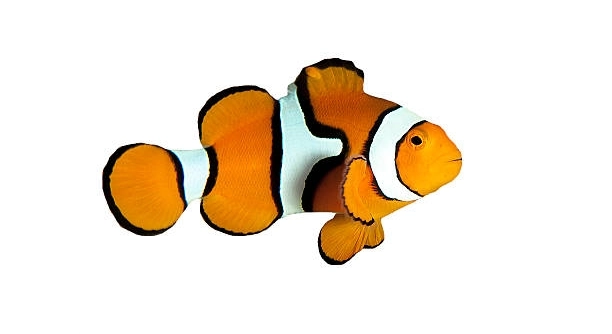
Is your clownfish suddenly refusing to eat, leaving you unsure of what to do next? This common issue can be frustrating for any fish owner. Understanding the reasons behind this behavior is important to ensure your clownfish stays healthy.
Clownfish may stop eating due to stress, illness, poor water quality, or changes in their environment. Nutritional deficiencies or incorrect feeding habits can also affect their appetite, making it essential to assess tank conditions and fish health promptly.
Knowing why your clownfish refuses food can help you take the right steps toward improving its wellbeing and restoring its normal eating habits.
Common Reasons Clownfish Refuse to Eat
Clownfish can stop eating for several straightforward reasons. One of the most frequent causes is stress, often triggered by sudden changes in the tank such as new tank mates, water temperature shifts, or poor water quality. Stress can weaken their immune system and suppress appetite. Illness is another key factor; infections or parasites make clownfish lose interest in food. Sometimes, improper feeding routines lead to refusal—overfeeding or offering inappropriate food types can cause confusion or disinterest. Lastly, environmental factors like lack of hiding spots or excessive light may make clownfish uncomfortable, affecting their eating habits. It is important to observe any recent changes in their surroundings or routine to identify the cause and correct it quickly. A healthy clownfish generally eats regularly, so a sudden refusal to eat signals an issue that requires attention.
Feeding clownfish a varied, balanced diet can prevent some eating problems. Regular tank maintenance is crucial.
Adjusting feeding schedules and improving tank conditions often restore appetite. Ensuring clean water, stable temperature, and a calm environment supports healthy feeding behavior and overall fish health.
How to Encourage Your Clownfish to Eat
To encourage your clownfish to eat, start by checking water quality and tank conditions. Poor water quality is one of the main reasons fish lose appetite, so regular testing and water changes are essential. Next, offer small amounts of high-quality food that matches their natural diet, such as pellets, frozen or live brine shrimp, and algae-based foods. Feeding in a quiet, low-disturbance environment can help them feel secure enough to eat. If stress or illness is suspected, isolate the fish in a quarantine tank to monitor its behavior and seek veterinary advice if necessary. Avoid overfeeding, which can worsen the situation. Patience is key; sometimes clownfish need time to adjust to new foods or recover from stress. Keeping a consistent routine will build trust and encourage regular feeding habits over time.
Signs of Illness Affecting Appetite
Loss of appetite in clownfish is often linked to illness. Watch for signs like lethargy, faded colors, or unusual swimming patterns. These symptoms indicate your fish may need medical attention or improved care.
Common illnesses affecting appetite include bacterial infections, parasites, and fungal diseases. Infected clownfish may show white spots, redness, or swollen areas on their bodies. Early detection is critical for effective treatment. Using a quarantine tank helps prevent spreading illness to other fish. Regular observation allows you to catch changes quickly and address them with appropriate medication or environmental adjustments.
Keeping the tank clean and maintaining stable water conditions lowers the risk of disease. Providing a balanced diet also strengthens your fish’s immune system. When illness is suspected, isolating the clownfish and consulting a professional can save its life and improve its appetite.
Environmental Factors Impacting Feeding
Water quality directly affects your clownfish’s willingness to eat. High ammonia, nitrite, or nitrate levels can cause stress and reduce appetite. Test water regularly and perform partial water changes as needed to maintain a healthy environment. Stable temperature and proper salinity are equally important.
Lighting and tank layout influence comfort levels. Bright lights or lack of hiding places can make clownfish feel exposed, reducing their feeding behavior. Adding plants, rocks, or decorations creates shelter and security. Avoid overcrowding to minimize stress from aggressive tank mates.
By managing these environmental factors, you create a setting where your clownfish can thrive and eat normally. Consistency in tank care leads to happier, healthier fish with better feeding habits.
Adjusting Feeding Techniques
Feeding your clownfish in small portions several times a day can improve its interest in food. Avoid overfeeding, which can lead to waste and water quality issues.
Using feeding tongs or a syringe helps target food directly to shy or hesitant fish, encouraging them to eat without competition.
Choosing the Right Food
Clownfish thrive on a varied diet that mimics their natural feeding habits. Include high-quality pellets, frozen brine shrimp, and algae-based flakes. Variety keeps their diet balanced and stimulates appetite. Avoid using only one type of food, as this can cause boredom or nutritional gaps.
Monitoring Tank Mates
Aggressive or overly active tank mates can stress clownfish, causing them to hide and refuse food. Observe interactions closely and separate fish if necessary to protect your clownfish’s comfort and eating habits.
FAQ
Why is my clownfish ignoring food even though the water looks fine?
Sometimes water parameters appear normal but there could be hidden issues like sudden changes in temperature or toxins like chlorine. Stress from new tank mates or decorations can also cause refusal to eat. Check for any recent changes and consider a longer observation period to spot subtle problems.
How long can a clownfish survive without eating?
Clownfish can survive for several days without food, usually up to a week, but this stresses them and weakens their immune system. If refusal to eat lasts longer than two days, it’s important to investigate and act quickly to avoid health problems.
Can poor diet cause my clownfish to stop eating?
Yes, feeding only one type of food or low-quality products can reduce appetite. Clownfish need a balanced diet including protein and plant matter. Changing to fresher or more varied foods often helps stimulate eating.
What should I do if my clownfish looks sick?
Isolate the fish in a quarantine tank to prevent spreading illness. Check for visible signs like spots, swelling, or unusual behavior. Treat with appropriate medications after consulting a vet or specialist. Maintaining good water quality speeds recovery.
Is it normal for clownfish to skip meals sometimes?
Yes, occasional meal skipping is normal, especially during times of stress or after changes in the tank. However, consistent refusal to eat signals a problem that needs addressing.
How often should I feed my clownfish?
Feeding small portions two to three times daily is ideal. Overfeeding can pollute the tank and harm fish health. Monitor how much your clownfish eats in a few minutes and adjust accordingly.
Can tank size affect my clownfish’s eating habits?
Yes, a small or overcrowded tank increases stress and reduces appetite. Clownfish need enough space and hiding places to feel secure. Providing an appropriate environment supports regular feeding behavior.
What role do tank mates play in my clownfish’s appetite?
Aggressive or territorial tank mates can intimidate clownfish, causing them to hide and refuse food. Choose peaceful companions and observe interactions to ensure your clownfish feels safe.
How can I tell if my clownfish is stressed?
Signs include hiding, erratic swimming, color fading, or loss of appetite. Identifying stress early helps prevent further health issues by allowing quick intervention in tank conditions or social dynamics.
Are there any natural remedies to encourage feeding?
Some hobbyists use garlic supplements or soak food in garlic juice to stimulate appetite. These can help but should be used sparingly and alongside proper tank care and diet adjustments.
Does lighting affect clownfish eating habits?
Yes, too much or too little light can stress fish and reduce feeding. Mimic natural light cycles with timers to maintain a stable environment that encourages normal behavior.
What is the best way to introduce new food to a picky clownfish?
Introduce new food gradually by mixing it with familiar items. Offering live or frozen foods that resemble natural prey often encourages acceptance. Patience and consistency help build trust.
Should I change my water testing routine if my clownfish stops eating?
Increase testing frequency to catch any hidden water quality issues early. Parameters like ammonia, nitrite, nitrate, and pH should be checked regularly to maintain a safe habitat for your fish.
Can poor water circulation impact feeding?
Yes, inadequate water flow reduces oxygen levels and can make fish lethargic or stressed, leading to decreased appetite. Ensure filters and pumps are working properly and water moves gently throughout the tank.
Is it normal for clownfish to stop eating during breeding?
Clownfish sometimes reduce feeding when preparing to breed or caring for eggs. This behavior is temporary but monitoring is important to ensure they stay healthy during this time.
When your clownfish stops eating, it can feel worrying, but this issue is often a sign that something in its environment or health needs attention. Changes in water quality, stress from tank conditions, or illness are common reasons for loss of appetite. Taking time to carefully observe your fish and the tank setup helps identify the cause. Keeping water clean, maintaining stable temperature and salinity, and offering a varied diet are important steps to support your clownfish’s health. Consistency in care plays a big role in preventing feeding problems and keeping your fish active and healthy.
Stress is one of the main factors that affect clownfish eating habits. It can be caused by aggressive tank mates, sudden changes in the environment, or even poor tank layout. Providing hiding places and avoiding overcrowding helps your clownfish feel safe. If you notice your fish is hiding or acting differently, it may be feeling stressed, which often leads to refusal to eat. By improving the environment and removing sources of stress, you create a calm space that encourages your clownfish to return to normal feeding routines.
Illness is another important cause of loss of appetite. Watching for signs like discoloration, swelling, or unusual behavior can help catch problems early. If illness is suspected, isolating your clownfish and consulting a vet or aquatic specialist is the best course of action. Proper treatment combined with good water quality and nutrition helps your fish recover faster. Remember, patience and careful attention to your clownfish’s needs will make a big difference in restoring its health and appetite. Regular tank maintenance and observation are key to preventing many common problems and ensuring your clownfish thrives.

Hello,
If you enjoy the content that we create, please consider saying a "Thank You!" by leaving a tip.
Every little bit helps us continue crafting quality advice that supports the health, happiness, and well-being of pets around the world, for pets of all shapes, sizes, and species.
We really appreciate the kindness and support that you show us!