
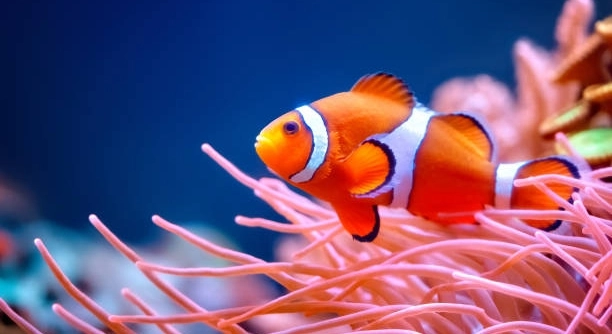
Do clownfish are well known for their vibrant colors and close relationship with sea anemones. Their behaviors, especially how they rest or sleep within their habitat, have interested many marine enthusiasts and researchers alike. Understanding these habits sheds light on their daily life and survival strategies.
Clownfish do show preferences when selecting their sleeping spots, often choosing safe locations within sea anemones to protect themselves from predators. Their choices are influenced by factors such as safety, social hierarchy, and proximity to food sources.
Learning more about how clownfish select these resting places can reveal important aspects of their behavior and environment. This knowledge also helps in caring for them in captivity.
Clownfish Sleeping Habits
Clownfish typically rest inside the protective tentacles of sea anemones. These spots offer safety from predators and shelter from currents. When it’s time to sleep, clownfish slow their movements and remain close to the anemone’s center. Their choice is not random; clownfish seem to pick spots based on how secure they feel and their position within their social group. Dominant fish often claim the safest areas near the anemone’s base, while others take less protected positions. This behavior helps reduce conflict and maintain order in their small groups. Sleeping near the anemone also keeps clownfish safe from other fish that might pose a threat during their vulnerable resting time.
Clownfish adjust their sleeping location according to the time of day and the presence of potential threats. Safety is their top priority.
Understanding these habits is essential for anyone caring for clownfish, especially in captivity. Providing a suitable anemone or safe shelter mimics their natural environment and supports healthy behavior.
Factors Influencing Sleeping Spot Choice
Several factors guide where clownfish rest at night. Safety is the most important, but social hierarchy plays a strong role as well. Dominant clownfish often choose the most secure spots, while others settle in less ideal locations to avoid conflict. The condition of the anemone also matters; healthy, fully open anemones provide better shelter. Clownfish also consider food availability and the comfort of the spot. This means that their sleeping places are chosen carefully and can change if conditions in their environment shift.
Environmental changes or threats cause clownfish to quickly relocate. This flexibility improves their chances of survival.
In captivity, providing a stable environment with ample hiding places allows clownfish to display their natural sleeping behaviors. It’s important to mimic the structure and safety of their natural habitat to promote wellbeing. Observing their sleeping spot preferences can give clues about their comfort and social status within the group.
Sleeping Patterns of Clownfish
Clownfish follow a daily rhythm influenced by light and activity. They rest mainly at night but remain alert to disturbances in their environment. Their sleep is light and intermittent, allowing quick responses to danger.
During nighttime, clownfish reduce their movement and stay close to their chosen sleeping spots. Unlike mammals, they don’t enter a deep, continuous sleep but rather a state of rest that balances relaxation and alertness. This behavior helps them quickly react if predators approach or if changes occur around their anemone. The ability to stay partly alert during rest is crucial for survival in their natural habitat, where threats can appear suddenly.
Light levels impact their activity; as daylight fades, clownfish slow down and seek shelter. When daylight returns, they become active again, searching for food and interacting with other fish. This cycle repeats daily and helps maintain their energy and safety.
Role of Social Hierarchy in Sleeping Spot Selection
Social ranking affects where each clownfish sleeps within the group. Dominant individuals get the prime, safest spots near the anemone’s center, while lower-ranked fish rest farther away or in less protected areas. This hierarchy helps reduce conflicts during rest times.
The social structure among clownfish is quite organized. The largest and strongest fish claim the best sleeping locations, which provide maximum protection and comfort. Subordinate fish accept less desirable spots, avoiding confrontation and maintaining group harmony. This arrangement is essential because crowded or aggressive behavior during rest could increase vulnerability to predators. By respecting these social boundaries, clownfish reduce stress and ensure everyone gets a place to rest.
This social sleeping pattern shows how behavior and environment are linked. Understanding these dynamics helps when caring for clownfish in tanks, where space and hiding spots should be enough to accommodate their social needs and minimize stress.
Sleeping Spot Changes
Clownfish may change their sleeping spots due to shifts in their environment. Factors like anemone health or nearby threats can cause them to move. These changes help them stay safe and comfortable.
Sometimes social dynamics also prompt a clownfish to find a new spot. If a dominant fish is replaced or the group grows, sleeping areas get rearranged naturally. This flexibility ensures that each fish can rest securely despite changing conditions.
Sleeping Behavior in Captivity
Clownfish kept in tanks often adapt their sleeping habits to the space and shelter available. They rely on artificial or live anemones to feel safe. Without proper shelter, they may show stress or rest less effectively.
Observing Sleeping Clownfish
Watching clownfish sleep can reveal much about their wellbeing. Calm, settled behavior usually indicates comfort. Restlessness or frequent movement may signal discomfort or environmental problems.
Importance of Shelter
FAQ
Do clownfish always sleep inside sea anemones?
Clownfish prefer to sleep inside sea anemones because the tentacles provide protection from predators. However, if an anemone is not available, they may rest in other sheltered spots like coral crevices or rocky areas. In captivity, clownfish can adapt to sleeping near artificial shelters that mimic their natural environment.
How do clownfish choose their sleeping spots?
Clownfish select sleeping spots based mainly on safety and social order. Dominant fish claim the most secure places close to the anemone’s base, while others settle farther away to avoid conflict. The health and size of the anemone, as well as nearby food sources, also influence their choice.
Do clownfish sleep deeply like mammals?
Clownfish do not experience deep sleep like mammals. Instead, they enter a lighter resting state that allows them to remain alert to threats. This intermittent rest helps them respond quickly if danger approaches during their vulnerable sleeping periods.
Can clownfish sleep without anemones?
Yes, clownfish can sleep without anemones but prefer them for protection. In environments lacking anemones, clownfish find alternative hiding spots like crevices or rocks. In captivity, providing suitable shelter is important to support their natural resting behavior.
How long do clownfish sleep each day?
Clownfish mainly rest during the night, typically for several hours. Their sleep is not continuous or deep, but they reduce movement and stay near safe shelters. This pattern repeats daily, matching light and activity cycles in their habitat.
Do clownfish fight over sleeping spots?
Social hierarchy usually prevents direct fights over sleeping spots. Dominant clownfish claim the safest locations, while others accept less protected areas. This arrangement helps reduce aggression and maintains group stability, especially during rest.
How does social status affect sleeping arrangements?
Social status greatly influences sleeping arrangements. The largest, most dominant clownfish secure the best shelter near the anemone’s center. Subordinates take spots further away, which reduces tension and helps maintain order within the group.
What happens if a clownfish loses its sleeping spot?
If a clownfish loses its preferred spot, it will move to a less protected area or find a new shelter. Changes in social rank or environmental conditions can force this relocation. Flexibility in choosing resting places is important for survival.
How do clownfish behave when sleeping in captivity?
In captivity, clownfish adjust their sleeping behavior based on available shelter and tank conditions. They often rest near anemones or artificial hiding spots. Proper shelter helps reduce stress and encourages natural rest patterns, improving their overall health.
Can observing sleeping spots indicate clownfish health?
Yes, watching where and how clownfish sleep can provide clues about their wellbeing. Calm, settled resting behavior usually means the fish is comfortable. Frequent movement or restlessness might signal stress, illness, or unsuitable environmental conditions.
Do clownfish sleep alone or with others?
Clownfish typically sleep near each other within their group but maintain personal space. The dominant fish claim prime spots, and others rest nearby but separated enough to avoid conflict. This group resting provides added protection through numbers.
Are clownfish more vulnerable while sleeping?
Clownfish are more vulnerable while resting, which is why they choose safe spots inside anemones or protected areas. Their light sleep state helps them stay somewhat alert to threats. The anemone’s stinging tentacles act as a strong defense during this time.
Do clownfish have favorite sleeping spots?
Yes, clownfish often show preference for certain sleeping spots. These choices are based on safety, comfort, and social position. Once a good spot is found, fish may return to it repeatedly unless forced to move by social or environmental changes.
How do changes in the environment affect sleeping spots?
Environmental changes, like damage to anemones or increased predator activity, can cause clownfish to change sleeping spots. They adapt quickly to ensure safety by moving to healthier or less risky shelters.
Is it important to provide sleeping spots in a home aquarium?
Providing secure sleeping spots in a home aquarium is essential for clownfish health. Artificial anemones, caves, or coral structures help mimic their natural habitat and support restful behavior. Without proper shelter, clownfish can become stressed and less active.
Clownfish display interesting sleeping behaviors that reflect their need for safety and social order. They rarely sleep deeply but enter a lighter state of rest, which allows them to stay alert to potential threats. Their strong preference for sleeping inside sea anemones offers protection through the anemone’s stinging tentacles. This relationship highlights how clownfish have adapted their habits to their environment to improve their chances of survival. Understanding these behaviors gives a clearer picture of how clownfish live and thrive in their natural habitat.
Social hierarchy plays an important role in where clownfish choose to sleep. Dominant fish often claim the safest spots closest to the anemone’s center, while lower-ranking fish settle in less secure locations. This arrangement helps reduce conflict within the group and creates order among the fish. Changes in the environment or social dynamics can cause clownfish to change their sleeping spots. Their ability to adapt shows flexibility and awareness of their surroundings, which are important traits for maintaining safety.
In captivity, providing proper shelter that mimics the natural environment is crucial for clownfish wellbeing. Having safe places to rest helps them feel secure and promotes natural sleeping behavior. Observing how clownfish choose and use their sleeping spots can give valuable insight into their health and comfort levels. Knowing this information can help in creating better care routines for clownfish, ensuring they remain healthy and stress-free in home aquariums or controlled environments. Overall, the sleeping habits of clownfish reveal much about their lifestyle and survival strategies.

Hello,
If you enjoy the content that we create, please consider saying a "Thank You!" by leaving a tip.
Every little bit helps us continue crafting quality advice that supports the health, happiness, and well-being of pets around the world, for pets of all shapes, sizes, and species.
We really appreciate the kindness and support that you show us!