
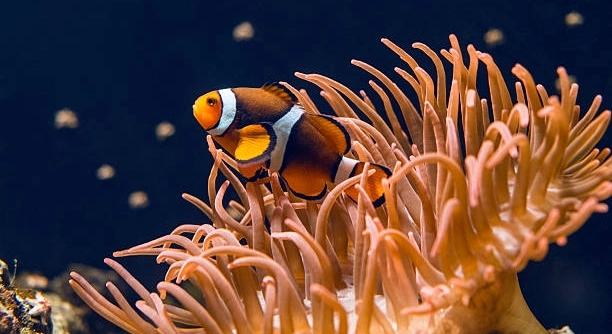
Clownfish are popular for their bright colors and close relationship with sea anemones. Many people find their behaviors interesting, especially how they interact with their environment. These small fish have unique habits that attract attention day and night.
Clownfish do guard their territory at night by staying close to their host anemones and remaining alert to potential threats. They use this time to protect their space from intruders, maintaining a safe area for themselves and their partners.
Learning about clownfish behavior at night reveals important details about their survival and social habits. This understanding helps appreciate how these fish live in their underwater homes.
Clownfish Territory and Nighttime Behavior
Clownfish are known for their strong bond with sea anemones, which they use as shelter and protection. During the day, they actively defend this territory from other fish that might want to intrude. At night, their behavior changes slightly but the need to protect their home remains important. While their activity slows down, clownfish stay close to their anemone and watch for any threats. This protective behavior helps keep them safe from predators while they rest. Their bright colors can make them vulnerable, so staying near the anemone’s stinging tentacles gives them an advantage. Even though they are less active at night, they are still aware of their surroundings and ready to react if danger approaches. This balance between rest and vigilance shows how clownfish have adapted well to their environment. They manage to guard their space without using too much energy during the dark hours.
At night, clownfish usually stay near or inside their host anemone for safety and protection.
Their nighttime guarding is not as aggressive as during the day but is still essential. Clownfish reduce movement to conserve energy but keep an eye out for intruders or predators. If a threat appears, they quickly swim out to chase it away, using their familiarity with the anemone’s protection to stay safe. This behavior shows that clownfish do not fully sleep like land animals; instead, they remain partly alert throughout the night. They rely on the anemone’s stings to deter many threats and use their position close by to respond if needed. This combination of low activity and readiness helps clownfish survive in a habitat filled with both predators and competitors. Understanding this behavior highlights how these fish balance rest with the need to defend their territory effectively. Their nighttime strategy is a clever adaptation to the challenges of underwater life.
How Clownfish Use Their Anemones for Protection
Clownfish live in a special relationship with sea anemones, which act like their safe homes. The anemone’s tentacles have stinging cells that keep other fish away. Clownfish have a unique coating of mucus that protects them from these stings. This allows them to swim freely among the tentacles without harm. Because of this protection, clownfish use their anemone as a base to guard their territory. At night, they usually stay close to or inside the anemone, where they are safer from predators. The anemone offers a strong defense, but clownfish still need to watch for danger and protect their area. This relationship is an important part of their survival and helps them maintain control of their small underwater space.
Living closely with anemones gives clownfish a reliable shelter and a better chance of survival.
The partnership between clownfish and anemones is a great example of mutual benefit in nature. Clownfish protect their host anemone from predators like butterflyfish that try to eat the tentacles. In return, the anemone offers clownfish a safe place to live. This cooperation means clownfish spend much of their time near the anemone, especially during the night when they are more vulnerable. Even while resting, clownfish remain alert enough to respond quickly if a threat comes close. This balance allows clownfish to conserve energy but still maintain control over their territory. Their ability to use the anemone’s protection is key to their nighttime behavior and overall survival in the ocean. It shows how animals can work with their environment to stay safe and thrive.
Nighttime Vigilance and Energy Use
Clownfish reduce their activity at night but stay alert to protect their territory. They balance rest with watching for threats to avoid danger while conserving energy.
This low-energy vigilance helps clownfish survive in a risky environment. They avoid unnecessary movement to save strength, yet remain ready to respond quickly to intruders or predators. Staying close to the anemone lets them react faster, using the anemone’s protection as a shield. This cautious behavior means they don’t fully sleep but enter a state of light rest, maintaining awareness of their surroundings. This balance of energy use and defense is important for their survival during nighttime hours.
At night, clownfish often rely more on the anemone’s protection than on active chasing of threats. Their mucus coating and close proximity to the anemone reduce the need for aggressive defense. This strategy conserves energy while still keeping their home safe.
Differences in Guarding Between Day and Night
During the day, clownfish are highly active in patrolling their territory and chasing away intruders. They use bursts of energy to defend their space vigorously.
At night, their guarding behavior becomes more passive. Clownfish stay near the anemone and watch quietly instead of actively chasing away threats. This change happens because their energy needs to be conserved for survival. Predators are less active at night, so full defense is less necessary. However, clownfish remain alert enough to respond if a threat appears suddenly. This balance between active defense during the day and cautious vigilance at night helps clownfish manage their energy efficiently while maintaining territory control. It’s a survival tactic that matches their environment’s rhythm.
How Clownfish Communicate at Night
Clownfish use body movements and colors to signal each other, even in low light. These signals help maintain their social order and warn of potential threats.
At night, these communications become subtler but still important. Quiet gestures keep the group aware and connected without attracting unwanted attention.
Threats Clownfish Face During Nighttime
Night brings different dangers like predators that hunt under low light or intruders searching for shelter. Clownfish stay near their anemones to reduce risk.
Their alertness, combined with the anemone’s protection, helps them survive. This strategy reduces chances of being caught off guard by night hunters.
Impact of Environment on Night Guarding
Clownfish behavior at night depends on water conditions and nearby threats. Calm, safe waters allow more relaxed guarding.
If the environment becomes risky, clownfish increase vigilance, staying closer to the anemone and reacting faster to disturbances.
Do clownfish sleep at night?
Clownfish don’t sleep like humans do. Instead, they enter a state of rest where their activity slows down, but they remain partly alert. This means they rest while still watching their surroundings to protect themselves. Staying close to their anemone helps them feel safer during these rest periods. Because of their need to guard their territory, clownfish never fully lose awareness, even at night.
How do clownfish protect themselves from predators?
Clownfish use their host anemone as a natural shield. The anemone’s stinging tentacles keep many predators away. Clownfish have a special mucus layer on their skin that prevents them from getting stung. When threatened, they dart quickly into the anemone’s tentacles to hide. At night, this protection is especially important since their movement is limited, making them more vulnerable. This strong relationship between clownfish and anemones is key to their survival.
Why do clownfish stay close to anemones at night?
Clownfish rely on their anemones for safety around the clock. At night, they stay even closer because they are less active and more vulnerable. The anemone’s stings deter many nighttime predators, giving clownfish a safe spot to rest while still guarding their territory. Without this close relationship, clownfish would be exposed and more likely to fall prey to nighttime threats.
Are clownfish territorial during the night?
Yes, clownfish maintain their territorial behavior at night but in a less aggressive way. During daylight, they actively chase intruders, but at night, their guarding becomes more passive. They watch quietly from near their anemone and are ready to respond if danger comes close. This approach helps them conserve energy while still protecting their home from unwanted visitors.
Do clownfish communicate with each other at night?
Clownfish communicate with subtle body movements and changes in color even at night. These signals help maintain social order within their group and warn others of possible threats. Although communication is less intense than during the day, it remains an important part of their nighttime behavior to keep the group connected and safe.
How do environmental changes affect clownfish behavior at night?
Clownfish adjust their nighttime guarding depending on the environment. Calm, safe waters allow them to relax and reduce their alertness. If the environment becomes risky, such as when predators are nearby or water conditions change, clownfish increase vigilance. They stay closer to the anemone and react more quickly to disturbances, showing a flexible approach to protecting themselves.
Can clownfish defend their territory alone at night?
While clownfish are capable of defending their territory individually, they often rely on group vigilance for better protection. In a pair or small group, they can warn each other of danger and respond faster. At night, this shared alertness helps reduce the risk of surprise attacks, allowing each fish to conserve energy while still maintaining safety.
What role does energy conservation play in clownfish nighttime behavior?
Energy conservation is crucial for clownfish during the night. Since they are less active, they reduce unnecessary movements to save strength. Their passive guarding style balances rest with protection. By staying near their anemone and avoiding constant chasing, they preserve energy for daytime activities like feeding and stronger territorial defense.
Do all clownfish species guard their territory the same way at night?
Different clownfish species may show slight variations in nighttime guarding behavior depending on their habitat and threats. However, the general pattern of reduced activity combined with passive vigilance near anemones is common. Species that live in areas with more predators might be more alert and stay closer to their anemones compared to those in safer environments.
How do predators behave at night compared to daytime?
Many predators change their hunting habits at night, becoming more stealthy and using low light to their advantage. This increases the risk for clownfish, which is why they remain alert even while resting. Some predators may be less active at night, which allows clownfish to reduce aggressive defense. Understanding these predator patterns helps explain why clownfish adjust their guarding behavior depending on the time of day.
Clownfish are interesting creatures with unique behaviors that help them survive in their ocean homes. Their strong relationship with sea anemones is central to how they live, especially when it comes to protecting their territory. At night, clownfish do not stop guarding their space entirely. Instead, they slow down and become less active while still keeping an eye out for danger. This balance between resting and staying alert allows them to save energy but also defend themselves from threats. Their ability to stay close to the anemone’s protective tentacles gives them a safe place to hide if needed.
Nighttime behavior for clownfish is different from daytime activity. During the day, they are more active and aggressive, chasing away other fish that come too close. At night, their guarding becomes quieter and less intense. They use subtle movements and stay near the anemone to maintain their territory without wasting too much energy. This change is important because it helps clownfish conserve strength for feeding, mating, and defending their home when it is most needed. Their partly alert rest at night shows how they have adapted to survive in an environment full of both predators and competitors.
Understanding how clownfish guard their territory at night gives us a clearer picture of their daily life and survival strategies. Their strong bond with the anemone and careful balance between energy use and vigilance is a smart way to live safely underwater. This behavior also shows the importance of their environment in shaping how they act. By protecting their territory day and night, clownfish maintain the space they need to thrive. These small fish remind us that even in quiet moments, survival in nature requires both rest and watchfulness.

Hello,
If you enjoy the content that we create, please consider saying a "Thank You!" by leaving a tip.
Every little bit helps us continue crafting quality advice that supports the health, happiness, and well-being of pets around the world, for pets of all shapes, sizes, and species.
We really appreciate the kindness and support that you show us!