
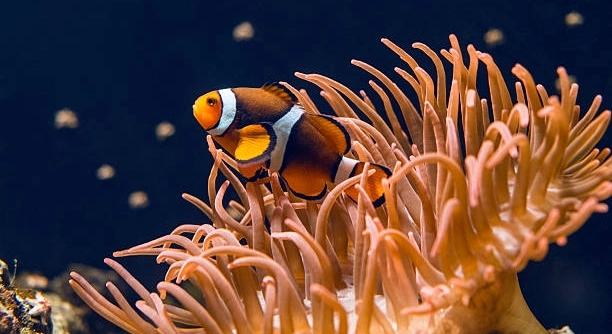
Clownfish are popular pets for many aquarium enthusiasts. Introducing new clownfish into a tank can be challenging due to their territorial nature. Proper steps can help reduce stress and encourage peaceful coexistence among fish.
The key to easing clownfish tank introductions lies in gradual acclimation, maintaining stable water conditions, and monitoring behavior closely. Separating new fish initially and using visual barriers can reduce aggression and promote adjustment within the shared environment.
Understanding these methods can improve your success with clownfish introductions. Following careful steps ensures a healthier and more harmonious tank environment.
Preparing the Tank Environment
Setting up the tank properly before introducing clownfish is crucial. Make sure the water temperature, pH, and salinity levels are stable and suitable for clownfish. Adding plenty of hiding spots with live rock or artificial decor helps reduce stress. It also allows new fish to feel secure while exploring. Keep the lighting moderate and avoid sudden changes, which can cause agitation. Clean the tank thoroughly but avoid over-cleaning, as some beneficial bacteria are essential for water quality. A well-maintained environment supports the health of all fish and prevents territorial disputes from escalating.
Maintaining a calm and stable tank environment reduces stress and supports smooth introductions.
By preparing the tank carefully, you create a welcoming habitat that helps clownfish settle in more easily. Stability in water conditions and the availability of hiding places make a significant difference. Your fish are more likely to adjust well if they feel safe and comfortable in their surroundings.
Quarantine and Observation
Quarantining new clownfish before adding them to the main tank helps prevent disease transmission. It also gives you a chance to observe their behavior and health closely. Watch for signs of illness or aggression during this period. A separate quarantine tank with similar water conditions is ideal for at least two weeks. This practice helps protect your established fish population.
Proper quarantine helps maintain a healthy tank and reduces stress during introductions.
During quarantine, monitor feeding habits and activity levels daily. This time allows new fish to recover from transport stress and adapt slowly. If any health issues arise, treatment is easier in isolation. Observing behavior helps you identify potential aggression that could become problematic later. When the quarantine period ends, your new clownfish will be ready for a safer and smoother introduction to the community tank.
Introducing Clownfish Gradually
Start by placing the new clownfish in a separate container or breeder box inside the main tank. This allows the fish to see each other without direct contact, reducing aggression. Keep the new fish isolated for several days while monitoring their behavior closely.
After the isolation period, remove the barrier slowly. Watch for signs of stress or hostility between the fish. If aggression increases, separate them again and wait longer before trying again. This gradual approach helps the clownfish adjust to each other’s presence at their own pace.
Using a gradual introduction method minimizes fights and stress. It gives both fish time to get used to each other in a controlled way. Patience during this phase often leads to a more peaceful and stable tank environment.
Monitoring Behavior Post-Introduction
Continue observing your clownfish carefully once they share the tank freely. Look for signs of bullying or dominance, such as chasing or nipping. Intervene if aggression becomes severe or persistent to avoid injuries.
Encourage harmony by maintaining excellent water quality and feeding routines. Stress from poor conditions can worsen conflicts. Provide ample hiding spots and visual barriers to give fish escape routes. Over time, most clownfish establish a social hierarchy and settle into peaceful coexistence. If problems continue, consider rearranging the tank layout or separating aggressive individuals temporarily.
Feeding During Introductions
Feed your clownfish small, frequent meals during introductions. This helps reduce stress and distracts them from territorial disputes. Avoid overfeeding, which can cause water quality issues.
Provide high-quality food suited for clownfish to support their health. Balanced nutrition helps them cope better with the stress of new tank mates.
Using Visual Barriers
Place objects like plants or decorations between new and existing clownfish to block direct line of sight. This reduces aggressive behavior by limiting visual contact.
Visual barriers give fish time to adjust gradually without constant confrontation. This strategy helps ease tension during the critical introduction phase.
Maintaining Water Quality
Keep the water clean and parameters stable throughout the introduction process. Consistent conditions reduce stress and prevent illness.
Regular water testing and partial water changes support a healthy environment, allowing clownfish to focus on adapting rather than coping with poor water quality.
FAQ
How long should I quarantine new clownfish before introducing them to the main tank?
Quarantine your new clownfish for at least two weeks. This period helps detect any signs of illness or parasites that might spread to your main tank. It also allows the fish to recover from transport stress and settle into a stable environment. Two weeks is usually enough time to observe behavior and health clearly.
Can I introduce more than one clownfish at the same time?
Yes, introducing a pair or small group of clownfish together can reduce aggression. When fish are added simultaneously, they tend to establish a social hierarchy more easily. However, make sure the tank is large enough and has plenty of hiding spots. Introducing too many fish at once can cause overcrowding and stress.
What signs indicate aggression during introductions?
Look for chasing, nipping at fins, or one fish constantly blocking the other’s access to food or hiding spots. Clownfish may also display flared fins or rapid movements as signs of stress or dominance. Occasional minor squabbles are normal, but persistent aggressive behavior should be addressed by separating the fish temporarily.
How important is tank size for introducing clownfish?
Tank size is very important. Smaller tanks increase competition for space, making aggression more likely. A minimum of 20 gallons is recommended for a pair of clownfish, with larger tanks better for multiple fish. More space allows each fish to establish its own territory without constant confrontation.
What role do hiding places play during introductions?
Hiding spots reduce stress and provide refuge for shy or weaker fish. Live rocks, coral decorations, or artificial caves give clownfish places to escape if they feel threatened. The more hiding places available, the less chance of aggressive encounters escalating.
Should I rearrange the tank decorations before introducing new clownfish?
Yes, rearranging tank decorations can help reset territorial boundaries. This can reduce aggression by disrupting established territories, making all fish start fresh in claiming space. Changing the layout gives the tank a new feel and can promote peace during introductions.
How often should I feed clownfish during the introduction period?
Feed small amounts two to three times daily. Frequent feeding helps reduce aggression by keeping the fish distracted and less focused on territory fights. Avoid overfeeding, which can foul the water and harm fish health.
What water parameters are ideal for clownfish?
Maintain water temperature between 74-79°F (23-26°C), pH around 8.1-8.4, and salinity at 1.020-1.025 specific gravity. Stable parameters are critical to reducing stress and encouraging healthy behavior. Regular water testing and changes keep conditions optimal.
What should I do if aggression persists despite these steps?
If aggression continues, separate the most aggressive fish temporarily. You can use a breeder box or move them to another tank until they calm down. Sometimes, long-term separation is necessary if certain fish cannot coexist peacefully. Monitor behavior closely before reintroducing them.
Can clownfish change sex, and does this affect introductions?
Yes, clownfish are protandrous hermaphrodites, meaning they start male and can change to female if the dominant female is removed. This can affect social dynamics, especially in pairs or groups. Understanding this helps manage tank hierarchy and reduces conflicts during introductions.
Is it safe to introduce clownfish with other species at the same time?
Introducing clownfish with other compatible species is possible, but it requires careful monitoring. Some fish may provoke stress or competition. Introduce clownfish first, then add other species gradually to ensure all fish adjust well.
How long does it typically take for clownfish to settle after introduction?
Clownfish usually begin settling in within a few days but may take several weeks to fully establish social hierarchies. Patience is key. During this time, keep conditions stable and minimize disturbances to help fish feel secure.
Are there any special considerations for introducing clownfish pairs versus singles?
Pairs tend to be less aggressive than singles introduced into a tank with established fish. They already have a social bond and often defend their territory together. Singles may face more challenges establishing themselves, so more gradual introduction and observation are necessary.
Final thoughts are important when it comes to introducing clownfish to a new tank. Taking time and care with each step can make the process smoother for both the fish and the owner. Clownfish are territorial by nature, so rushing introductions often leads to stress and aggression. By preparing the tank environment well, quarantining new fish, and using gradual introduction methods, you can help the fish adjust peacefully. Patience is key, and it often pays off with a healthier, happier aquarium.
Water quality and tank conditions play a big role in how well clownfish settle in. Keeping the water stable and clean reduces stress and helps prevent disease. Good water parameters make clownfish more resilient and less prone to aggression. Feeding small, frequent meals also supports their health and distracts them during the sometimes tense introduction phase. Providing hiding spots and visual barriers helps create a sense of security for the fish. These simple steps together create an environment where clownfish can establish territories without constant conflict.
Every aquarium is unique, so observing your fish carefully is important. Watch how they behave during and after introductions. If aggression becomes a problem, don’t hesitate to separate fish or change the tank layout. Sometimes small adjustments can make a big difference. Remember, it can take several weeks for clownfish to fully settle and form a stable social order. By giving them time and the right environment, you increase the chances of a peaceful and thriving tank. Taking a thoughtful approach helps both you and your clownfish enjoy a better experience.

Hello,
If you enjoy the content that we create, please consider saying a "Thank You!" by leaving a tip.
Every little bit helps us continue crafting quality advice that supports the health, happiness, and well-being of pets around the world, for pets of all shapes, sizes, and species.
We really appreciate the kindness and support that you show us!