
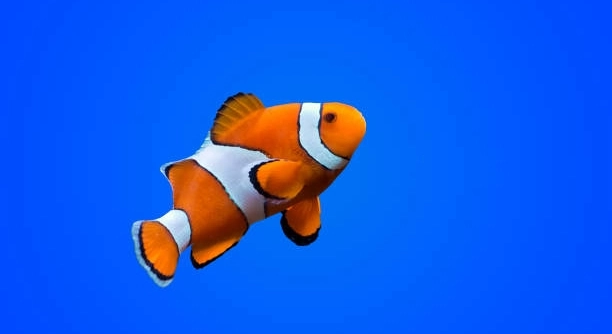
Clownfish are popular marine creatures known for their bright colors and unique relationship with sea anemones. Many people find their behavior interesting, especially when it comes to how they interact with their surroundings. One question that often comes up is whether clownfish can recognize themselves in a mirror.
Research shows that clownfish do not recognize their own reflection in a mirror. Instead, they react as if seeing another fish, often showing aggressive or curious behavior. This indicates that clownfish lack self-awareness when it comes to mirror recognition.
Exploring how clownfish respond to mirrors helps us understand animal cognition and behavior in aquatic life better. This insight adds to the broader knowledge of how different species perceive their environment.
How Clownfish React to Their Reflection
When a clownfish sees itself in a mirror, it often behaves like it’s encountering another fish. The fish may display signs of aggression, such as flaring its fins or trying to chase the reflection away. This reaction shows that clownfish perceive the reflection as a rival or intruder rather than recognizing it as themselves. This behavior is common among many fish species because self-recognition is rare in aquatic animals.
The aggressive response is usually short-lived. After some time, the clownfish may lose interest or continue to display curiosity without hostility. These actions suggest that the fish is trying to understand the situation but does not make the connection to self-awareness.
Understanding these reactions provides a clearer picture of clownfish behavior and cognition. It also highlights how different animals process visual information, helping researchers learn more about animal intelligence and social interactions in the ocean.
The Science Behind Mirror Recognition in Animals
Mirror recognition is considered a sign of self-awareness and higher cognitive ability in animals. Species like dolphins, elephants, and some primates have demonstrated the ability to recognize themselves in mirrors through specific tests. These animals show behaviors such as inspecting parts of their bodies they cannot normally see or using the mirror to explore themselves.
Clownfish, however, have not shown these signs. Their reactions to mirrors are more instinctual than reflective. This difference emphasizes the variety in animal cognition. Studying these differences helps scientists understand how intelligence and self-awareness have evolved in different species and environments. It also encourages more research into how fish and other marine animals perceive themselves and others.
Mirror Tests and Their Limitations
Mirror tests are commonly used to assess self-recognition in animals. However, they have limitations when applied to fish like clownfish.
Many fish rely more on smell and other senses than vision. This can affect how they respond to mirrors. A reflection may not hold the same meaning for a fish as it does for mammals or birds.
Additionally, some fish might see the mirror image as another individual, triggering social or territorial behaviors rather than self-recognition. These factors make mirror tests less effective for certain aquatic species. Researchers are exploring alternative methods to better understand fish cognition beyond traditional mirror tests.
What This Means for Understanding Fish Intelligence
Fish cognition is often underestimated because of differences in behavior and sensory perception. Clownfish reacting aggressively to their reflection does not mean they lack intelligence. Instead, it suggests that their way of understanding the environment differs from animals that pass mirror tests.
This knowledge encourages a broader view of intelligence in aquatic animals. It pushes scientists to develop new ways to study fish awareness and decision-making. Understanding these behaviors can improve how we care for fish in captivity and protect their natural habitats. It also highlights the diversity of thought processes across species.
Why Clownfish Might Not Need Self-Recognition
Clownfish live in complex social environments. Their survival depends more on recognizing other fish and navigating their surroundings than on self-awareness. This means that self-recognition may not be an essential skill for them.
Their behaviors focus on communication, territory defense, and cooperation with sea anemones, rather than understanding their own reflection.
Other Signs of Intelligence in Clownfish
Clownfish show intelligence in many ways besides mirror recognition. They form social hierarchies, communicate through body language, and work closely with sea anemones for protection. These behaviors require memory, learning, and problem-solving skills. Such complex interactions demonstrate cognitive abilities that are important for their survival in the wild.
Alternative Ways to Study Fish Cognition
Scientists are developing new tests that better fit fish behavior and senses. These include observing problem-solving tasks and social interactions. Such approaches offer more accurate insights into fish intelligence than mirror tests alone.
Future Research Directions
Further studies will help clarify how fish think and learn. This can improve fish care and conservation efforts.
FAQ
Can clownfish recognize themselves in a mirror?
Clownfish do not recognize themselves in a mirror. When they see their reflection, they behave as if it’s another fish, often showing aggression or curiosity. This means they lack self-awareness related to mirror recognition, unlike some mammals or birds.
Why don’t clownfish pass the mirror test?
The mirror test mainly measures self-recognition through vision, but clownfish rely more on other senses like smell. Their brain structure and behavior are adapted to their environment, so recognizing a reflection isn’t a priority for them. The test does not fully capture fish intelligence.
Are there other ways to test fish intelligence?
Yes. Researchers observe problem-solving, social interactions, and learning abilities in fish. Tasks like navigating mazes or remembering safe areas show cognitive skills beyond mirror recognition. These methods give a better understanding of how fish think and behave.
Do all fish fail the mirror test?
Not all fish fail, but very few have passed it. Some species show signs of recognizing their reflection, but it is rare. Most fish treat their reflection as another fish rather than themselves. This highlights differences in animal cognition.
What behaviors indicate intelligence in clownfish?
Clownfish display social behaviors such as establishing dominance, cooperating with sea anemones for protection, and communicating through body movements. These behaviors require memory, learning, and social awareness, which are signs of intelligence.
How do clownfish use their senses?
Clownfish rely heavily on smell and hearing to understand their surroundings. Their vision is adapted for underwater life but is not their primary way of identifying themselves or others. This explains why visual tests like mirrors may not reflect their true cognitive abilities.
Can clownfish feel emotions?
While it’s difficult to measure emotions in fish, clownfish show stress, fear, and comfort behaviors. They react to threats and friendly interactions, suggesting a basic level of emotional response. These responses help them survive in their environment.
Why is self-recognition important in animals?
Self-recognition is linked to higher cognitive functions like empathy, planning, and problem-solving. Animals that recognize themselves often show complex social behaviors. For clownfish, survival depends more on other skills, so self-recognition is less critical.
What can studying clownfish teach us?
Studying clownfish behavior helps scientists understand animal cognition diversity. It shows that intelligence can look very different depending on the species and environment. This knowledge can guide better animal care and conservation strategies.
Are mirror tests useful for all animals?
Mirror tests work best for animals that rely on vision and have certain brain structures. They are less useful for animals with different senses or behaviors. For fish and some other species, alternative tests provide clearer insights into their cognitive abilities.
Clownfish offer an interesting look at how different animals perceive themselves and their surroundings. While they do not recognize their reflection in a mirror, this does not mean they lack intelligence or awareness. Their behavior shows that they rely on other senses and ways of understanding the world around them. This is important because it reminds us that not all animals think or interact in the same way, and intelligence can take many forms depending on the species.
The mirror test is a useful tool for studying self-recognition, but it is not perfect for all animals. Clownfish respond to mirrors by acting as if another fish is present, which fits their natural social behaviors. However, their true intelligence is better seen in how they communicate, protect their territory, and cooperate with sea anemones. These behaviors require learning and memory, showing a level of cognitive ability that helps them survive in the ocean’s complex environment.
Understanding how clownfish and other fish experience the world encourages us to appreciate animal behavior beyond simple tests. It also helps guide better care practices for fish in captivity and promotes conservation efforts. Studying different species with methods that match their natural senses and behaviors will continue to improve our knowledge of animal intelligence. This broader view gives us a deeper respect for the diversity of life and how all creatures adapt to thrive in their own ways.

Hello,
If you enjoy the content that we create, please consider saying a "Thank You!" by leaving a tip.
Every little bit helps us continue crafting quality advice that supports the health, happiness, and well-being of pets around the world, for pets of all shapes, sizes, and species.
We really appreciate the kindness and support that you show us!