
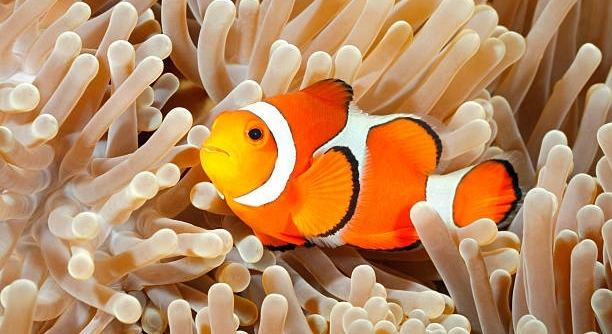
Shy clownfish often hide and avoid interaction, making it difficult for them to thrive in their environment. Many fish owners want to help these timid creatures become more confident and comfortable. Building trust is key to improving their behavior.
Helping shy clownfish gain confidence involves creating a calm, safe habitat, offering consistent feeding routines, and minimizing sudden movements or loud noises around their tank. Gradually introducing new stimuli helps them adapt without stress, encouraging natural behaviors and social interaction.
Understanding these simple methods can improve your clownfish’s well-being. Small changes in care can make a big difference in helping shy fish grow more comfortable and active.
Create a Calm and Safe Habitat
A calm and safe habitat is essential for helping shy clownfish feel secure. Start by providing plenty of hiding spots such as live rock, coral, or artificial decorations. These places allow clownfish to retreat when they feel threatened. Avoid overcrowding the tank, as too many fish can cause stress and competition. Keep the water clean and stable with regular maintenance, as poor water quality can make fish anxious. Lighting should be gentle rather than harsh, which can make timid fish more nervous. Gradually adjusting the environment to suit your clownfish’s needs will help them relax and explore their space more comfortably.
Reducing stress in the tank creates a positive environment where shy clownfish can slowly come out of hiding and begin to show their natural behaviors.
When clownfish feel safe, they are more likely to be active and interact with their surroundings. A stable, clean tank with hiding places lowers stress levels and encourages confidence. Avoid sudden changes in water temperature or chemistry, as these can trigger fear. Keep tank noise low, and limit handling or tapping on the glass. Over time, these small but consistent efforts will help shy clownfish grow more comfortable and engage with their environment more fully.
Offer Consistent Feeding Routines
Feeding clownfish at the same time and place every day helps build trust. They learn to expect food and become less anxious around you.
Regular feeding schedules give shy clownfish a sense of security. They begin to associate you and the feeding routine with something positive, reducing their fear. Offering a variety of foods like pellets, flakes, and frozen options keeps their diet balanced and encourages healthy growth. Feeding small amounts several times a day rather than one large feeding prevents competition and stress. Avoid sudden changes in food type or quantity to maintain comfort. Watching your clownfish gradually come forward during feeding is a rewarding sign that confidence is growing. Consistent care builds a strong foundation for happier, healthier fish.
Minimize Sudden Movements and Loud Noises
Clownfish are sensitive to sudden movements and loud noises. Keeping the tank area quiet and calm helps reduce their stress.
Abrupt actions near the tank, like quick hand movements or loud talking, can startle shy clownfish. It’s best to approach the tank slowly and calmly. Avoid tapping on the glass, which can frighten them and make them hide. Keeping the environment peaceful allows clownfish to feel safer and encourages them to explore more freely. Creating a quiet space around the tank supports their comfort and reduces anxiety.
Even small sounds from household appliances or heavy footsteps can make timid clownfish nervous. Placing the tank in a low-traffic area with minimal disturbances helps maintain a calm atmosphere. Over time, this stable setting can make a big difference in their confidence and overall behavior.
Gradually Introduce New Stimuli
Slowly adding new elements to the tank helps shy clownfish adjust without stress. Sudden changes can cause fear.
When introducing new decorations, plants, or tank mates, do it one step at a time. Let the fish get used to each change before adding more. This gradual process prevents overwhelming them and helps build their trust in the environment. Watching shy clownfish become curious about new objects shows progress in their confidence. Patience is important during this process, as rushing changes may cause setbacks or increased hiding. Gentle exposure to new stimuli encourages exploration and social interaction without causing anxiety. Maintaining a steady routine while adding small changes keeps the tank comfortable and predictable for your clownfish. This approach supports long-term well-being and growth.
Provide Proper Tank Mates
Choosing peaceful tank mates helps shy clownfish feel safe. Aggressive fish can cause stress and fear.
Compatible species encourage calm behavior and reduce bullying. Avoid large or overly active fish that may intimidate your clownfish.
Maintain Stable Water Conditions
Stable water temperature, pH, and salinity are crucial for clownfish comfort. Sudden changes can cause stress and weaken their immune system.
Regular water testing and careful adjustments keep the environment consistent. Healthy water conditions support clownfish confidence and reduce hiding behavior.
Use Gentle Lighting
Bright or flickering lights can frighten shy clownfish. Soft, steady lighting helps create a calm atmosphere in the tank.
How long does it take for shy clownfish to become confident?
The time it takes for shy clownfish to gain confidence varies depending on several factors, including their environment, tank conditions, and how they are handled. Some clownfish may start showing signs of confidence within a few days if the habitat is calm and feeding is consistent. For others, it might take several weeks or even months, especially if they were stressed or frightened before. Patience is important. Consistently providing a safe, stable tank with gentle care will help speed up the process. Avoid rushing changes or forcing interaction, as this can set them back.
Can I handle shy clownfish to help them get used to me?
Handling clownfish directly is not recommended, especially for shy ones. Touching or catching them can cause stress and fear, making it harder for them to trust you. Instead, interact by feeding and talking calmly near the tank. Over time, they will associate your presence with positive experiences. If you must move them for tank maintenance, do so carefully and with minimal disturbance. Using a soft net and gentle hands reduces stress. Building trust takes time and respect for their comfort zone.
What foods are best to help shy clownfish gain confidence?
Feeding a varied diet helps maintain health and encourages natural behavior. High-quality pellets or flakes designed for marine fish are good staples. Supplementing with frozen or live foods like brine shrimp or mysis shrimp adds nutrition and interest. Offering food in small amounts several times a day prevents competition and allows shy fish to eat without pressure. Regular feeding times help clownfish expect food and feel secure. Avoid overfeeding, as leftover food can affect water quality, causing stress.
Should I keep clownfish alone if they are shy?
Clownfish are social creatures, but shy individuals might feel safer with fewer tank mates. Keeping them alone can reduce stress if other fish are aggressive or too active. However, clownfish often do better in pairs or small groups when the tank is well-maintained and companions are peaceful. Introducing compatible species gradually helps shy clownfish adjust. Watch for signs of bullying or fear. If problems occur, separating fish temporarily may be necessary. The goal is a balanced community where all fish feel secure.
How important is tank size for shy clownfish confidence?
Tank size plays a role in clownfish comfort but is not the only factor. Smaller tanks can feel cramped and stressful if overcrowded or poorly maintained. Larger tanks offer more space for hiding spots and exploration, which can boost confidence. However, tank conditions like water quality, decor, and stable environment matter more than size alone. A well-planned small tank with plenty of hiding places and gentle care can support shy clownfish well. Always consider tank mates and maintenance routines to create the best habitat.
Can sudden changes in the tank affect clownfish confidence?
Yes, sudden changes in water temperature, chemistry, lighting, or decorations can frighten clownfish. They rely on stability to feel safe. Unexpected changes cause stress, leading to hiding or unhealthy behavior. It is best to make any adjustments gradually. When adding new decorations or tank mates, introduce them slowly and observe the fish’s response. Keeping the environment predictable helps shy clownfish feel secure and encourages natural behaviors. Consistency in care routines is key to building their confidence.
How can I tell if my shy clownfish is becoming more confident?
Signs of growing confidence include swimming more openly, exploring the tank, and coming out of hiding more often. They may approach the glass during feeding or show curiosity about new objects. Shy clownfish that begin interacting with other fish or displaying their natural colors are also showing positive changes. Increased activity and reduced stress behaviors like darting or freezing indicate comfort. Keep observing your fish’s behavior regularly to track progress. Patience and steady care will support continued improvement in their confidence.
Helping shy clownfish feel confident takes time and care. It is important to create a calm and safe environment where they can slowly grow comfortable. Providing hiding places, keeping the water clean, and maintaining stable conditions all help reduce stress. When fish feel secure in their habitat, they are more likely to explore and show natural behaviors. Consistency in care is key to building their trust over time.
Feeding routines also play a big role in encouraging confidence. Offering food regularly and gently helps clownfish learn to trust you. Using a variety of foods keeps them healthy and interested in eating. Avoiding sudden changes in the tank or loud noises around the fish helps prevent fear. Patience is important because shy clownfish may take weeks or months to show real progress. Small, steady steps lead to lasting results.
Overall, helping shy clownfish requires attention to their needs and a gentle approach. Avoid rushing or forcing interaction, as this can cause more anxiety. Creating a peaceful environment and caring for them thoughtfully will support their well-being. Watching them slowly come out of hiding and become more active is rewarding. With time, shy clownfish can become confident and happy members of your aquarium.

Hello,
If you enjoy the content that we create, please consider saying a "Thank You!" by leaving a tip.
Every little bit helps us continue crafting quality advice that supports the health, happiness, and well-being of pets around the world, for pets of all shapes, sizes, and species.
We really appreciate the kindness and support that you show us!