
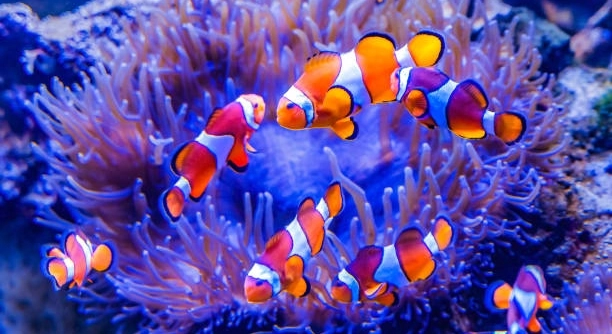
Clownfish are popular pets for many aquarium enthusiasts. They usually swim upright and actively around their tank. Sometimes, after eating, these fish may flip upside down, which can surprise and worry their owners.
Clownfish flipping upside down after eating is often caused by buoyancy issues due to overfeeding or swallowing air. This disrupts their swim bladder function, causing temporary imbalance. Stress or water quality can also contribute, but buoyancy problems remain the primary reason.
Understanding why this happens will help you care for your clownfish better. Knowing the causes and solutions ensures a healthier environment and keeps your fish swimming properly.
Causes of Upside-Down Swimming in Clownfish
Clownfish flipping upside down after eating can be traced to several factors. Overfeeding is a common cause; eating too much at once can fill their stomach and affect their buoyancy. When they swallow excess air while feeding, it can get trapped in their swim bladder, a small organ that helps control balance in water. Water quality also matters—poor conditions like high ammonia or nitrite levels add stress and weaken the fish’s ability to regulate itself. Sudden changes in water temperature or pH can disrupt their comfort, causing unusual behavior. Additionally, internal infections or swim bladder disease can make it difficult for them to swim properly. Observing your fish closely after feeding and maintaining clean water helps reduce the chances of this problem. Regular tank maintenance and careful feeding habits go a long way in keeping clownfish steady and healthy.
Maintaining stable tank conditions and feeding appropriate amounts helps prevent buoyancy problems in clownfish after meals.
Upside-down swimming is mostly related to physical issues with the swim bladder. It’s important to avoid overfeeding and ensure the water is clean and well-regulated. If the behavior continues, consulting a vet experienced with fish is advisable. Stress from poor environment or illness can worsen the problem, so keeping a stable habitat is key. Feeding smaller portions and ensuring your clownfish eat slowly can reduce swallowed air. Also, removing uneaten food promptly prevents water quality deterioration. Regular monitoring of water parameters such as temperature, pH, ammonia, nitrite, and nitrate levels is essential. Healthy water conditions support the fish’s natural balance and reduce unexpected behaviors.
How to Help Your Clownfish Recover
After noticing your clownfish swimming upside down, the first step is to check feeding habits. Reducing the amount of food per feeding can help the fish digest better and avoid trapping air. Feeding smaller, more frequent meals encourages slow eating. Next, water quality must be tested regularly; clean water supports recovery. A partial water change can reduce toxins and improve oxygen levels. Using a good quality aquarium salt can sometimes aid in recovery but should be used cautiously. If you suspect swim bladder disease, isolation in a separate tank for observation can prevent spreading possible infections. Adding peas (without skin) to their diet may help digestion. If the problem persists beyond a few days, professional advice from an aquatic vet or fish specialist is recommended. Proper care and attention will often bring your clownfish back to normal swimming quickly.
Adjusting feeding practices and maintaining water quality are essential steps to help your clownfish regain balance and health.
If overfeeding or air swallowing caused the problem, the fish should improve after correcting these issues. Monitoring the fish closely is important, as persistent upside-down swimming may signal underlying illness. Regular tank maintenance, stable water conditions, and a balanced diet are key to prevention. Avoid sudden changes to the environment and handle your clownfish gently to reduce stress. Sometimes, gently massaging the belly can help release trapped air, but this should be done carefully. Always keep your fish’s environment clean and stable to support their well-being. When in doubt, seeking expert advice ensures proper treatment. A healthy clownfish is a happy addition to any aquarium.
Preventing Upside-Down Swimming in Clownfish
Keeping feeding amounts moderate helps prevent swim bladder issues. Avoid giving your clownfish too much food at once. Maintain stable water conditions with regular testing and cleaning. These steps reduce stress and support normal swimming behavior.
Providing small, controlled meals throughout the day encourages slow eating and better digestion. Overfeeding can cause trapped air or bloating, which affects buoyancy. Ensuring clean, well-filtered water with stable temperature and pH levels keeps your clownfish comfortable. Avoid sudden changes in the tank environment, as this can disrupt their balance and cause stress. Consistency in feeding times and tank maintenance promotes a healthy routine, reducing the chances of upside-down swimming.
Monitoring the fish daily for any unusual behavior allows early detection of problems. Clean tanks, proper feeding, and stable water quality create the best conditions for your clownfish. Preventative care is the most effective way to avoid buoyancy troubles and keep your fish active and healthy.
Recognizing Swim Bladder Disease in Clownfish
Swim bladder disease causes buoyancy problems, often making clownfish float upside down or sideways. Symptoms include difficulty swimming and staying balanced. Early detection helps prevent worsening.
Swim bladder disease can be caused by infections, injury, or poor diet. Overfeeding and constipation are common triggers, as these affect the swim bladder’s function. Affected fish may show signs of lethargy, loss of appetite, or struggle to maintain position in the water. If you notice these symptoms, it’s important to act quickly. Improving water quality, adjusting diet, and isolating the fish if necessary are important steps. Sometimes medication is required, but proper diagnosis from a specialist is best to determine the cause and treatment. Timely care increases chances of full recovery.
Treatment includes fasting the fish for a day or two to clear digestion, then feeding easily digestible foods like peeled peas. Maintaining excellent water quality supports healing. Avoid stressful tank changes during recovery. Swimming should improve as the swim bladder returns to normal function.
Feeding Tips for Healthy Clownfish
Feed your clownfish small amounts two to three times a day. Avoid overfeeding, as excess food can harm their swim bladder and water quality.
Use high-quality food designed for marine fish. Rotate their diet with pellets, flakes, and frozen options to provide balanced nutrition.
Signs of Stress in Clownfish
Stress often causes unusual behavior like upside-down swimming. It can come from poor water quality, overcrowding, or sudden changes in the tank environment.
Address stress by keeping water stable, avoiding rapid changes, and providing hiding spots. Calm surroundings help clownfish regain normal swimming habits.
Tank Environment and Buoyancy
A stable, clean tank supports healthy swim bladder function. Regular water testing and proper filtration keep the environment safe for clownfish.
When to Consult a Professional
If upside-down swimming lasts more than a few days despite care, seek advice from an aquatic veterinarian. Early diagnosis improves treatment success.
What causes a clownfish to flip upside down after eating?
The most common reason is a swim bladder issue, often triggered by overfeeding or swallowing air while eating. This affects the fish’s buoyancy, making it difficult to swim upright. Water quality problems or stress can also contribute but are less frequent causes.
How can I prevent my clownfish from flipping upside down?
Feed small amounts two to three times daily, avoiding overfeeding. Keep the tank clean with stable water temperature, pH, and good filtration. Regular water testing helps catch any harmful changes early. Consistency in feeding and tank maintenance reduces stress and swim bladder problems.
Is upside-down swimming a sign of illness?
It can be. While occasional flipping can result from digestion or air bubbles, persistent upside-down swimming may indicate swim bladder disease or infection. Watch for other symptoms like loss of appetite or lethargy and consider consulting a specialist if the behavior continues.
What should I do if my clownfish is swimming upside down?
First, reduce feeding amounts and switch to easily digestible foods like peeled peas. Test water quality and perform a partial water change if needed. Observe the fish closely for any other signs of illness. If the problem persists for more than a few days, seek veterinary advice.
Can water quality affect my clownfish’s swimming behavior?
Yes. Poor water quality causes stress and physical issues that affect buoyancy. High ammonia, nitrite, or nitrate levels, along with unstable pH or temperature, can harm your fish. Keeping water clean and parameters stable supports their overall health and normal swimming.
Does the type of food impact swim bladder health?
Yes. Overfeeding or feeding inappropriate foods can cause digestive problems leading to swim bladder issues. A balanced diet with high-quality marine fish food and occasional treats like peeled peas improves digestion and prevents buoyancy problems.
How long does it take for a clownfish to recover from swim bladder issues?
Recovery time varies depending on the cause and care. With proper feeding, clean water, and reduced stress, most clownfish improve within a few days to a week. Persistent problems may need medical treatment and longer recovery.
Is it safe to isolate a clownfish showing swim bladder problems?
Yes, isolation can help monitor the affected fish closely and prevent the spread of potential infections. Use a separate quarantine tank with clean water and controlled conditions to support recovery while minimizing stress.
Can stress cause my clownfish to flip upside down?
Stress from overcrowding, sudden tank changes, or poor water conditions can disrupt normal behavior, including swimming upside down. Providing hiding places, stable environment, and gentle handling reduces stress and helps the fish regain balance.
Are there any home remedies for treating swim bladder issues in clownfish?
Fasting the fish for a day or two, feeding peeled peas to aid digestion, and maintaining excellent water quality are helpful home steps. Avoid overhandling and keep the tank environment calm. However, professional diagnosis is important if symptoms persist.
How often should I test my aquarium water to prevent problems?
Testing water parameters weekly is recommended, especially for ammonia, nitrite, nitrate, pH, and temperature. Regular monitoring helps catch harmful changes early, allowing timely action to protect your clownfish’s health and swimming ability.
Can temperature changes affect a clownfish’s swimming?
Yes. Sudden or extreme changes in temperature stress the fish and may impair their swim bladder function. Maintaining a consistent temperature suited for clownfish, typically between 75–82°F (24–28°C), supports their well-being and swimming stability.
What role does tank size play in clownfish health?
A properly sized tank allows enough space for swimming and reduces stress. Overcrowding leads to poor water quality and aggressive behavior, both of which can cause health problems, including swim bladder disorders.
Should I change the water if my clownfish flips upside down?
If water tests reveal poor quality, a partial water change helps reduce toxins and improve oxygen levels. Clean water supports recovery and reduces stress. Avoid full water changes to prevent shocking the fish.
Is upside-down swimming always related to feeding?
Not always. While feeding habits often cause buoyancy problems, other factors like infections, injuries, or environmental stress can also lead to upside-down swimming. Observing other symptoms helps determine the cause.
Can I use aquarium salt to treat swim bladder problems?
Aquarium salt can sometimes reduce stress and improve healing but should be used carefully and in recommended amounts. Always research or consult an expert before adding salt, as incorrect use can harm marine fish.
What signs mean I should seek a vet for my clownfish?
Persistent upside-down swimming lasting more than a few days, combined with loss of appetite, lethargy, bloating, or abnormal spots, signals the need for professional advice. Early diagnosis improves treatment outcomes.
How do I safely feed peeled peas to my clownfish?
Cook the peas until soft, remove the skin, and cut into small pieces. Feed sparingly as a treat to help digestion. Avoid overfeeding peas, as balance with other foods is important for nutrition.
Can swim bladder problems cause death in clownfish?
If untreated, severe swim bladder issues combined with infections or poor conditions can lead to death. Prompt care and maintaining a healthy environment greatly reduce this risk.
How important is tank maintenance for preventing buoyancy issues?
Regular tank cleaning, filter maintenance, and water testing are critical. A stable environment reduces stress and physical problems, helping your clownfish maintain proper swim bladder function and normal swimming behavior.
When clownfish flip upside down after eating, it is usually a sign of a problem with their swim bladder or digestion. This small organ helps them control their balance and stay upright in the water. Overfeeding or swallowing air can cause the swim bladder to malfunction, leading to unusual swimming behavior. Other factors such as poor water quality, stress, or illness can also affect how they swim. It is important to pay close attention to your clownfish’s behavior after meals to catch any problems early. By watching for signs like upside-down swimming, loss of appetite, or lethargy, you can take steps to improve their health and comfort.
Taking good care of your clownfish means controlling how much and what you feed them, as well as keeping their tank clean and stable. Feeding small amounts multiple times a day helps avoid overloading their digestive system and reduces the chance of swallowing air. Maintaining stable water conditions with proper filtration and regular testing keeps the environment safe and stress-free. Stress can worsen health issues, so providing hiding spots and avoiding sudden changes is important. If your clownfish shows ongoing signs of difficulty swimming, consulting a professional is the best course of action. Many swim bladder problems improve with proper care, but some require veterinary attention.
In the end, understanding why your clownfish flips upside down after eating helps you respond effectively and prevent further problems. Small changes in feeding routines and tank maintenance can make a big difference in their health. Keeping the aquarium environment consistent and clean supports your clownfish’s well-being and natural behavior. Remember that each fish is unique, so patience and observation are key. With the right care, your clownfish can enjoy a balanced life, swimming confidently and adding beauty to your tank for years to come.

Hello,
If you enjoy the content that we create, please consider saying a "Thank You!" by leaving a tip.
Every little bit helps us continue crafting quality advice that supports the health, happiness, and well-being of pets around the world, for pets of all shapes, sizes, and species.
We really appreciate the kindness and support that you show us!