
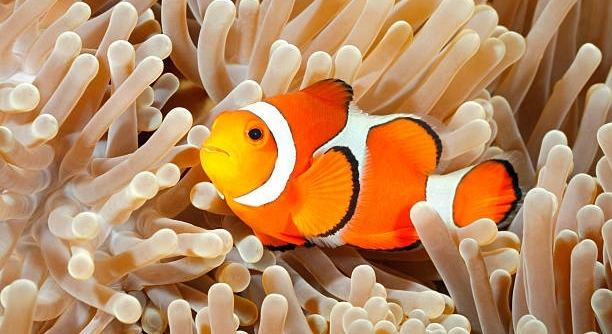
Clownfish are popular in home aquariums due to their bright colors and unique behaviors. Changes in their environment, like lighting, can affect how they act. Understanding their reactions helps aquarists create better conditions for these fish.
Clownfish display various responses to new light settings, including changes in activity levels, color intensity, and social interactions. These reactions depend on light intensity, color spectrum, and duration, influencing their stress levels and overall well-being in captivity.
Observing these behaviors closely can improve how you manage your aquarium’s lighting for healthier, more comfortable clownfish.
How Clownfish Adjust to Bright Light
Clownfish often react strongly when exposed to bright light for the first time. They may hide or swim quickly around the tank, showing signs of stress. Over time, many adjust by finding shaded areas or swimming near objects that block some of the light. Bright light can also cause their colors to appear more vivid, which is visually appealing but may increase their energy use. If the light is too intense for long periods, the fish might become restless or display unusual behavior such as excessive darting or hiding for extended times. Aquarists should monitor these changes carefully to ensure the fish do not suffer from prolonged stress. Adjusting light gradually rather than switching it on suddenly helps the clownfish acclimate better. Using dimmers or timers can create a more natural day-night cycle, making the environment less harsh.
Clownfish can adapt to bright lighting, but sudden changes may lead to stress behaviors. Gradual adjustment improves their comfort.
Balancing light intensity with the clownfish’s natural habitat conditions supports their health and reduces stress. Maintaining some shaded spots and regulating light duration are practical steps to keep the fish calm. Observing how the fish respond helps determine if lighting is appropriate. Avoiding continuous exposure to intense light allows their natural rhythms to stabilize. This also benefits the aquarium’s plants and other organisms, promoting a balanced ecosystem. Proper lighting management is key to maintaining the vibrant colors and active behavior clownfish are known for.
Effects of Color Spectrum Changes on Clownfish Behavior
Changing the light color spectrum can impact how clownfish behave. Blue or white lights are common, but each affects the fish differently.
Altering light color can influence clownfish mood and activity levels significantly.
Color spectrum affects clownfish in subtle ways. Blue lighting tends to simulate deeper water conditions, calming the fish and encouraging natural behavior. White light often mimics daylight and can increase activity and feeding responses. Switching between spectrums can sometimes confuse the fish, causing temporary hesitation or hiding. Consistency in lighting color helps maintain a stable environment. However, moderate variation throughout the day, like cooler blue tones in the evening, may support their natural rhythms. Adjusting the light spectrum to match their natural habitat improves comfort and health. Monitoring fish reactions after changes is important to avoid prolonged stress. Selecting lighting that enhances color vibrancy without causing discomfort is beneficial for both fish and tank aesthetics.
Changes in Clownfish Activity Levels
Clownfish activity often shifts with new lighting conditions. They may become more or less active depending on the light intensity and color.
When exposed to brighter or different light settings, clownfish sometimes increase their swimming speed or explore more areas of the tank. This heightened activity can signal curiosity or mild stress. Conversely, dimmer or warmer lights might encourage calmer behavior and more resting periods. These shifts are natural as clownfish adjust to their environment. Watching these activity changes helps determine if the lighting suits their needs or if adjustments are necessary. Providing consistent lighting schedules supports stable behavior.
Activity changes can also affect feeding habits. More active clownfish tend to eat more regularly, while less active fish may show reduced appetite. Adjusting feeding times to match activity peaks can improve nutrition and overall health.
Social Behavior Under New Light Settings
Lighting can influence how clownfish interact with each other. Changes often affect their territorial and social behaviors.
Under new light conditions, clownfish may display increased aggression or more frequent social interactions. Bright or intense lighting sometimes triggers territorial displays as fish try to establish dominance. Dimmer, softer lighting tends to encourage group cohesion and calmer interactions. The balance of light intensity and color impacts their mood and social comfort. Careful observation is necessary to spot early signs of conflict or stress among the fish.
Adjusting the lighting gradually helps maintain harmony in the tank. Providing hiding places and clear territories reduces conflict during these transitions. When light changes cause aggression, reducing intensity or altering the spectrum often calms the fish. Managing light properly supports peaceful social dynamics, which is essential for clownfish well-being and a balanced aquarium environment.
Light Duration Effects on Clownfish
The length of time lights are on affects clownfish behavior and health. Too long or too short lighting periods can disrupt their natural rhythms.
Consistent light schedules help maintain normal activity and rest cycles. Sudden changes in duration may cause stress or confusion.
Stress Responses to Light Changes
Clownfish can show stress through rapid swimming, hiding, or color fading when lighting changes abruptly. Monitoring these signs is important to prevent long-term harm.
Adjusting light intensity gradually and keeping a steady routine helps reduce stress and supports their overall well-being.
Impact of Light on Coloration
Lighting directly influences clownfish coloration. Proper lighting enhances their vibrant hues, making them visually striking in the aquarium.
Importance of Gradual Lighting Changes
Sudden changes in lighting can unsettle clownfish. Gradual adjustments allow them to adapt comfortably without undue stress.
FAQ
How quickly should I change the lighting for my clownfish?
Lighting changes should be made gradually over several days to weeks. Sudden shifts in brightness or color can stress clownfish, causing them to hide or show unusual behaviors. Slowly increasing or decreasing light intensity allows the fish to adjust their natural rhythms without discomfort. Using a timer or dimmer can help make these transitions smoother. It is also beneficial to maintain a consistent day-night cycle that mimics natural conditions as closely as possible.
Why does my clownfish hide more after changing the lights?
Hiding is a common stress response in clownfish when exposed to new or intense lighting. This behavior indicates they feel uncomfortable or overwhelmed. Over time, as they adapt, the hiding usually decreases. Providing shaded areas or decorations in the tank gives them places to retreat and feel safe. If hiding persists for weeks, consider adjusting the light intensity or spectrum to reduce stress.
Can lighting affect clownfish health beyond behavior?
Yes, lighting impacts clownfish health directly and indirectly. Proper lighting supports normal feeding, breeding behaviors, and immune function. Poor or inconsistent lighting can weaken their immune system, making them more vulnerable to disease. Additionally, lighting affects the growth of beneficial algae and coral in reef tanks, which influence water quality and habitat conditions important for clownfish well-being.
Is there a best type of light for clownfish tanks?
LED lights with adjustable intensity and color spectrum are ideal for clownfish tanks. They allow customization to mimic natural conditions, like daylight or twilight. Blue and white lights are commonly used since they simulate ocean light and enhance the fish’s colors. Avoid overly bright or harsh lights, as they can cause stress or bleaching of tank plants and corals. Choosing lights with a timer helps maintain a steady day-night cycle.
How long should the lights be on each day?
Clownfish do best with about 10 to 12 hours of light daily. This range simulates natural daylight periods and supports their activity and rest cycles. Too much light can cause stress or algae overgrowth in the tank. Too little light may reduce their activity and affect their health. Using an automatic timer to keep a consistent schedule benefits both the fish and the aquarium ecosystem.
Will clownfish colors fade under poor lighting?
Yes, improper lighting can cause clownfish colors to dull or fade over time. Insufficient light reduces pigment production, while overly intense lighting may cause bleaching or stress-related color loss. Maintaining balanced lighting with the right intensity and spectrum keeps their natural bright colors vibrant. Healthy diet and good water quality also support coloration.
What signs show my clownfish is stressed by light changes?
Signs include hiding more than usual, rapid or erratic swimming, loss of appetite, and fading colors. You might also see increased aggression or lethargy. These behaviors indicate the lighting or environment is uncomfortable for the fish. Observing these early helps to make adjustments before stress causes health problems.
Can changing the light spectrum help with clownfish breeding?
Yes, certain light spectrums can encourage breeding behavior. Blue light often mimics deeper water and can calm fish, while white light simulates daylight and may stimulate activity and mating. A balanced combination that mimics natural conditions encourages spawning. Stable lighting schedules and proper nutrition are also key factors for successful breeding.
Should I use a light timer for my clownfish tank?
Using a timer is highly recommended to maintain a consistent light cycle. Clownfish thrive when day and night periods are predictable, which supports their biological rhythms. A timer reduces the risk of accidentally leaving lights on too long or off too short. Consistency helps reduce stress and keeps the aquarium environment balanced.
How do I know if my clownfish have adjusted to new lighting?
Signs of adjustment include normal swimming patterns, regular feeding, bright colors, and calm social interactions. The fish will use the whole tank, stop hiding, and show typical behaviors. If these signs appear within a few days to weeks, the lighting change is suitable. Continuous observation ensures any issues are caught early for correction.
Clownfish respond in many ways to changes in their light environment. These responses include shifts in their activity, social behavior, and even their coloration. Adjusting the lighting too quickly or using unsuitable light settings can cause stress, which affects their health and comfort. Taking time to understand how light impacts clownfish helps maintain a healthier and more balanced aquarium. By providing stable, appropriate lighting, you support the natural rhythms and behaviors that keep clownfish thriving in captivity.
It is important to remember that gradual changes in lighting are best. Sudden switches in brightness or color can confuse and unsettle clownfish, leading to hiding or aggressive behavior. Using tools like timers or dimmers allows for a smooth transition that mimics natural day and night cycles. Consistent lighting also encourages normal feeding and social interactions, which are essential for the fish’s well-being. Watching for signs of stress or unusual behavior helps identify when adjustments are needed, ensuring the environment remains comfortable and safe for the fish.
Overall, lighting plays a crucial role in the care of clownfish. Proper light intensity, spectrum, and duration promote vibrant colors and natural activity levels. Balancing these factors not only benefits the fish but also supports the tank’s ecosystem. Taking small steps to adjust lighting thoughtfully can make a significant difference in clownfish health and happiness. Careful observation and patient management create an environment where clownfish can adapt and flourish.

Hello,
If you enjoy the content that we create, please consider saying a "Thank You!" by leaving a tip.
Every little bit helps us continue crafting quality advice that supports the health, happiness, and well-being of pets around the world, for pets of all shapes, sizes, and species.
We really appreciate the kindness and support that you show us!