
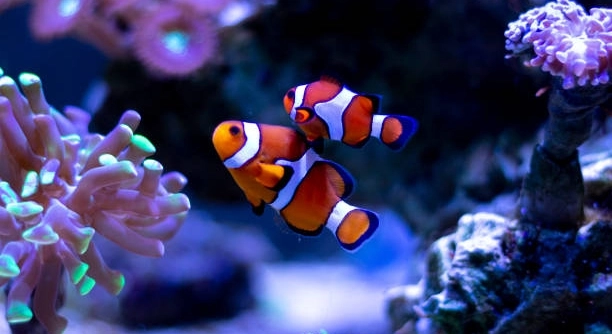
Clownfish are popular in home aquariums for their bright colors and interesting behaviors. Many aquarium enthusiasts notice how these fish interact with their environment and other tank inhabitants. Their behavior sometimes gives the impression they protect their territory.
Clownfish can defend their immediate territory within the tank, especially near their host anemone, but they are not capable of defending the entire tank. Their territorial behavior is limited and primarily focused on protecting their shelter from intruders.
Learning more about clownfish behavior helps in creating a balanced tank environment where all species can coexist peacefully and thrive together.
Understanding Clownfish Territorial Behavior
Clownfish naturally establish territories in the wild, usually centered around their host anemone. In an aquarium, they tend to defend a small area close to this anemone. Their territorial defense includes chasing away smaller fish or intruders that come too close. However, this defense is limited to their immediate surroundings. Clownfish are not aggressive enough or large enough to patrol the entire tank. They use body language and quick movements to warn others off. The presence of a host anemone gives them a safe base, making them more confident in defending this space. Outside of this area, clownfish generally ignore other fish unless directly threatened. Tank size and the number of other fish also affect how much space a clownfish will defend. Overcrowding can increase stress and lead to more aggressive behavior, but still only within their limited territory.
Tank decorations and hiding spots also influence their territorial behavior.
Clownfish defend only their immediate territory, focusing mostly on the area around their host anemone, not the entire tank.
Factors Affecting Tank Defense
Territorial defense by clownfish depends on several factors, including tank size, fish population, and the presence of a host anemone. In smaller tanks, territories can overlap, causing more frequent disputes. Larger tanks allow clownfish to maintain distinct territories with less conflict. The number of other fish species also matters. Peaceful tank mates reduce the need for defense, while aggressive or similar-sized fish may provoke more territorial behavior. Additionally, if a clownfish lacks a host anemone, it may show more anxiety and less territorial defense. Proper tank setup with enough space, hiding places, and compatible species helps minimize conflicts. Regular observation can identify when territorial behavior becomes excessive, signaling a need for adjustments in the tank environment. Overall, tank conditions and companions greatly influence how clownfish behave and defend their space.
Clownfish Defense Mechanisms
Clownfish use several behaviors to defend their territory, including chasing, biting, and displaying bright colors. These actions help warn off intruders without escalating to serious fights.
Their bright coloration acts as a visual signal to other fish that this area is claimed. When an intruder approaches, clownfish will swim aggressively, sometimes darting quickly to chase them away. Biting may occur if the intruder does not retreat. These behaviors are more about deterrence than actual harm, helping to maintain boundaries. Clownfish also use sounds like popping or clicking to communicate aggression. These combined defense tactics are usually enough to keep their small territory safe in a typical home aquarium environment.
While their defense is effective close to their host anemone, clownfish avoid confrontations beyond their territory. This limits their ability to protect larger tank areas, especially in community setups where many species live together.
Importance of Tank Setup for Clownfish
Proper tank setup is crucial to support clownfish territorial behavior and reduce stress. A well-planned environment includes adequate space, hiding spots, and a healthy host anemone if possible.
Space helps reduce territorial overlap and fights by giving each fish enough room. Decorations like rocks and corals provide hiding places where clownfish can retreat if threatened. A healthy host anemone is particularly important, as it offers safety and encourages natural behavior. Without it, clownfish may feel vulnerable and become more aggressive or withdrawn. Filtration and water quality also affect clownfish health and behavior. A stable environment reduces stress, which lowers unnecessary aggression. Overall, a thoughtful tank setup ensures clownfish can defend their territory calmly and coexist with other tank mates.
Aggression Levels in Clownfish
Clownfish show moderate aggression compared to other marine fish. Their defense is mostly limited to chasing and warning behaviors.
Aggression increases if the tank is overcrowded or if there are no clear territories. Proper tank conditions help keep aggression low and manageable.
How Clownfish Interact with Other Fish
Clownfish generally coexist well with peaceful species but can be territorial around similar-sized fish. Their defense focuses on protecting their host area rather than attacking others. Compatibility depends on tank mates and space availability.
Signs of Excessive Territorial Behavior
Watch for frequent chasing, biting, or damaged fins. These signs indicate stress or overcrowding in the tank, which may require adjustments.
Managing Territorial Disputes
Separating aggressive fish or increasing tank space often reduces conflict and stress in the aquarium.
FAQ
Can clownfish protect other fish in the tank?
Clownfish do not protect other fish in the tank. Their territorial behavior is focused solely on defending their own space, especially around their host anemone. They are not aggressive enough to guard or patrol the entire aquarium for the benefit of other species.
Clownfish are small and their defense mechanisms are designed to keep threats away from their immediate surroundings. While they may chase away small intruders near their territory, this action is not meant to protect other fish but to secure their own safety. It is important for tank owners to understand that clownfish cannot serve as guardians for the entire aquarium.
Do clownfish need a host anemone to defend territory?
Yes, clownfish usually defend territory centered around their host anemone. The anemone acts as their home and refuge, giving them a fixed point to protect. Without a host, their territorial behavior becomes less defined and they may show more stress.
The symbiotic relationship between clownfish and anemones is key to their natural behavior. The anemone provides protection with its stinging tentacles, while the clownfish defends it from predators and rivals. In tanks without an anemone, clownfish may claim rocks or other decorations but often show less confident territorial behavior.
What happens if the tank is too small for clownfish?
A small tank limits space for clownfish territories and can increase aggression. Overlapping territories cause frequent disputes, chasing, and stress. This often results in injuries or behavioral problems.
Tank size directly affects clownfish well-being. A cramped environment makes it hard for them to avoid conflicts. Larger tanks allow them to establish clearer territories and reduce aggression. Proper tank size combined with good decoration helps maintain peace.
Can clownfish live without defending territory?
Clownfish have natural instincts to defend territory, but in a very peaceful and spacious environment, their need to defend may lessen. However, they still show some territorial behavior to secure a safe area.
Even in calm tanks, clownfish will pick a spot they consider home and guard it against intruders. This behavior is part of their survival strategy. Providing enough space and hiding places helps reduce unnecessary aggression.
How can I reduce aggression in a tank with clownfish?
To reduce aggression, ensure the tank is large enough and has plenty of hiding spots. Avoid overcrowding and choose peaceful tank mates. Regular maintenance of water quality also lowers stress.
Providing a healthy host anemone or similar shelter supports natural clownfish behavior and decreases tension. Observing fish behavior and separating aggressive individuals early prevents problems. Proper feeding routines and balanced environments contribute to calm interactions.
Are clownfish aggressive toward their own species?
Clownfish can be aggressive to each other, especially if the tank is small or if multiple males compete for a female. They establish a strict social hierarchy where dominant individuals defend territories.
In larger tanks with enough space, aggression between clownfish is reduced. Introducing clownfish as a pair, usually one male and one female, helps prevent constant fighting. Monitoring their behavior helps identify and manage conflicts early.
What signs show a clownfish is stressed due to territorial disputes?
Signs of stress include frequent hiding, loss of appetite, damaged fins, and constant chasing or fleeing. Stress may also cause color fading or abnormal swimming.
If stress is caused by territorial disputes, it often means the tank environment needs adjustment. Improving tank size, adding hiding places, or changing tank mates can relieve stress. Early intervention helps maintain fish health.
Can clownfish change their territorial behavior over time?
Yes, clownfish behavior can change with age, environment, and tank conditions. Younger fish may be more aggressive when establishing territories. Over time, they often settle into a stable hierarchy.
Changes in tank conditions, like adding new fish or decorations, can also affect behavior. Regular observation and proper care help maintain balanced interactions. Providing stable conditions encourages natural and peaceful behavior.
Do clownfish defend the tank at night?
Clownfish are less active at night and usually rest near their host anemone. Their territorial defense decreases during this time, as most fish reduce activity to conserve energy.
At night, clownfish stay close to safe areas and avoid unnecessary confrontation. This resting behavior is typical and helps them stay healthy for daytime activity. Providing a secure environment supports this natural cycle.
Is it normal for clownfish to chase tank mates?
It is normal for clownfish to chase other fish near their territory, especially if the intruders are close to their host anemone. This behavior is part of their defense routine and usually does not lead to serious harm.
However, excessive chasing can indicate overcrowding or stress. If chasing becomes constant or aggressive, tank conditions should be reviewed. Adding hiding spots or increasing space often helps reduce chasing and promotes peaceful coexistence.
Clownfish are well-known for their bright colors and interesting behavior in home aquariums. Their natural instincts lead them to defend a small area, especially near their host anemone. This territorial behavior helps clownfish feel secure and safe in their environment. However, their defense is limited to a small space and does not extend to protecting the entire tank or other fish. Understanding this behavior is important for anyone keeping clownfish in a community aquarium. It helps set realistic expectations about what these fish can and cannot do.
In an aquarium setting, several factors influence how much territory a clownfish will defend. Tank size, the presence of a host anemone, and the types of other fish in the tank all play a role. Clownfish rely heavily on their host anemone as a home base to defend. When an anemone is present and healthy, clownfish tend to be more confident and show clearer territorial behavior. On the other hand, overcrowded tanks or aggressive tank mates can increase stress and lead to more fighting. Providing enough space, hiding places, and compatible species reduces conflicts and allows clownfish to live more naturally.
Overall, it is important to create a tank environment that supports clownfish well-being and natural behavior. This means offering enough room for territories, maintaining good water quality, and including a host anemone when possible. Watching for signs of excessive aggression or stress can help catch problems early before they affect fish health. While clownfish cannot defend an entire tank, their small but active defense of their territory adds interest and life to a marine aquarium. Knowing their limits helps maintain a peaceful and balanced tank for all its inhabitants.

Hello,
If you enjoy the content that we create, please consider saying a "Thank You!" by leaving a tip.
Every little bit helps us continue crafting quality advice that supports the health, happiness, and well-being of pets around the world, for pets of all shapes, sizes, and species.
We really appreciate the kindness and support that you show us!